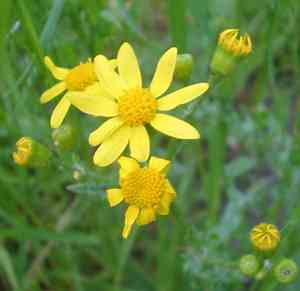
Alpine groundsel (Packera pauciflora)
Also known as: Fewflower groundsel
Packera pauciflora, commonly known as alpine groundsel, belongs to the aster family. This species is indigenous to northern North America, including regions in western and eastern Canada as well as the northwestern United States. It thrives in alpine and subalpine environments like mountain meadows.
In This Article
Attributes of Alpine groundsel
Lifespan
Perennial
Plant Type
Herb
Plant Height
20-50 cm
Spread
No distinct crown; basal rosette of leaves and flowering stems.
Leaf Color
Green
Flower Size
1-2 cm
Flower Color
Yellow
Images of Alpine groundsel
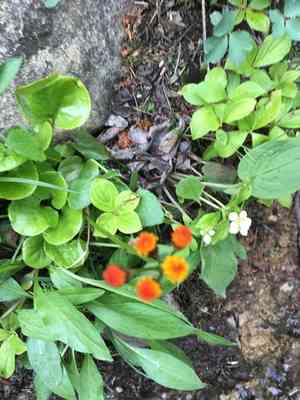
Quickly Identify Alpine groundsel
1
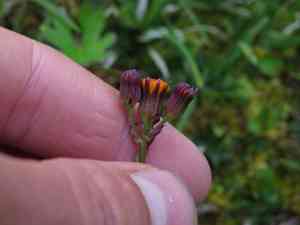
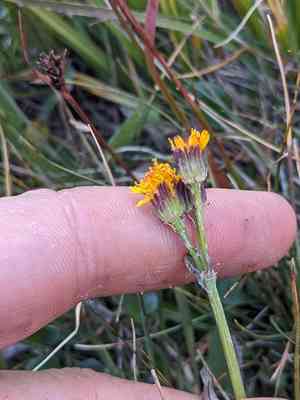
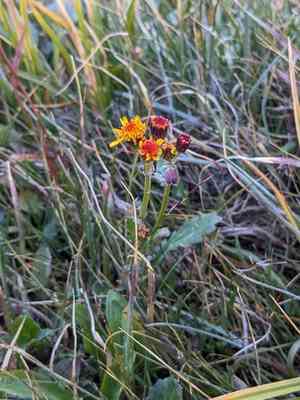
This plant can be identified by its small yellow flowers which typically bloom in clusters, and its basal leaves which are generally elliptical in shape. The stems are often purplish near the base.
Scientific Classification of Alpine groundsel
Phylum
Vascular plants
Class
Dicotyledons
Order
Asterales
Family
Daisy
Genus
Packera
Species
Alpine groundsel
Planting and Growing of Alpine groundsel
Care Difficulty
Moderate
Watering Schedule
Every 2 days
Sunlight Requirements
Partial sun
Sunshine Duration
4-8 hours
Ideal Temperature
60-75℉
Soil Type
Potting Mix, Peat Mix
Soil pH
5.5-7.5
Fertilizer Type
Balanced
Pruning Season
Spring, Summer
Pruning Area
Branches, Leaves
Pruning Frequency
2 times a year
Repotting Season
Spring
Pot Type
Plastic, Ceramic
 How to Water Alpine groundsel?
When watering Packera pauciflora, aim for approximately 200ml each time. The goal is to moisten the soil evenly without waterlogging. Ensure the soil dries out slightly between waterings to prevent root rot, which means the top inch of the soil should feel dry to the touch.
What are the symptoms of an underwatered Alpine groundsel?
›
What should I do if my Alpine groundsel is not getting enough water?
›
What are the symptoms of an overwatered Alpine groundsel?
›
How to save an overwatered Alpine groundsel?
›
 What Are the Sunlight Requirements for Alpine groundsel?
Packera pauciflora flourishes in partial sun conditions. Consistent light ensures maximal photosynthetic efficiency, supporting lush foliage and resilience. Optimal light fosters blooming, adding ornamental value and bolstering the plant's environmental adaptations.
What is the best light setting for Packera pauciflora?
›
How can I ensure my Packera pauciflora gets ideal lighting?
›
What benefits does ideal lighting offer to Packera pauciflora?
›
 What Is the Ideal Temperature Range for Alpine groundsel?
The ideal temperature range for Packera pauciflora is between 60°F and 75°F. Within this range, the plant can thrive, maintaining healthy growth and strong foliage. This range mimics the conditions of its native habitat, where the climate is moderate without extreme fluctuations.
 What Soil is Best for Alpine groundsel?
Packera pauciflora thrives in well-drained soil that prevents waterlogging and root rot. Well-drained soil ensures proper moisture balance, allowing the plant to absorb necessary nutrients while avoiding conditions that promote fungal growth. This plant prefers soils with moderate nutrient availability. A balanced nutrient level supports healthy growth and vibrant foliage without promoting excessive vegetative growth that can weaken the plant structure. Incorporating organic matter into the soil can greatly benefit the plant by improving soil aeration and moisture retention. Organic matter enhances soil fertility and provides a consistent source of nutrients essential for sustained growth.
 How to Fertilize Alpine groundsel?
For Packera pauciflora, a moderate amount of fertilizer is ideal. Use about half the recommended amount of liquid fertilizer for flowering plants to avoid nutrient overdose. Ensure the plant's soil is well-drained to prevent root damage.
 How to Prune Alpine groundsel?
Conduct pruning early in the spring or summer before the flowering period begins to ensure the plant refocuses its energy on producing vibrant new blooms. Avoid late summer or autumn pruning as it might disrupt the plant’s blooming schedule for the following year. Use a clean, sharp pair of shears to make a clean cut at a 45-degree angle. This approach promotes rapid healing and prevents water accumulation on the wounded area, which could lead to rot or disease.
More About Pruning Techniques→
 How to Propagate Alpine groundsel plant?
1
Loosen the top layer of soil in your garden or container. Ensure that the soil has good drainage to prevent waterlogging, which can damage young roots.
2
Sow the seeds on the surface of the prepared soil and lightly cover them with additional soil. Ensure they are spaced adequately to prevent overcrowding as they grow.
3
Gently water the planted area to moisten the soil without washing away the seeds. Aim to keep the soil consistently damp but not overly saturated.
 How to Repot Alpine groundsel plant?
1
Keep an eye out for roots growing out of the drainage holes, or if the plant seems stunted and stops producing new growth. These are clear indicators it's time for a new, larger home to ensure the roots have enough space to expand.
2
Opt for a pot that's about 1-2 inches larger in diameter than the current one. The material should offer good insulation and drainage, like terracotta, which helps prevent root rot and encourages healthy growth by allowing excess moisture to evapotranspire.
3
The ideal soil mix should be well-draining, rich in organic matter, and slightly acidic to neutral. A mix containing peat, perlite, and sand can provide the best environment, ensuring that water doesn’t linger in the roots, reducing the risk of rot and fostering robust development.
Toxicity
Ingestion
WARNING
The judgment on toxicity and danger is for reference only. We DO NOT GUARANTEE any accuracy of such judgment. Therefore, you SHALL NOT rely on such judgment. It is IMPORTANT TO SEEK PROFESSIONAL ADVICE in advance when necessary.
Learn More About Alpine groundsel Diseases
Anthracnose
Bacterial Leaf Spot
Bacterial Soft Rot
Bacterial Wilt
Crown Gall
Cyst Nematode
Damping-off
Downy Mildew
Drought Stress
Fusarium Wilt
Gray Mold
Leaf Curl
Leaf Spot
Mosaic
Nutrient Deficiency
Nutrient Toxicity
Powdery Mildew
Root Rot
Root-knot Nematode
Rusts
Sooty Mold
Spider Mites
Temperature Stress
Thrips Damage
White Mold
Chemical Injury



