How to Prune Oca?
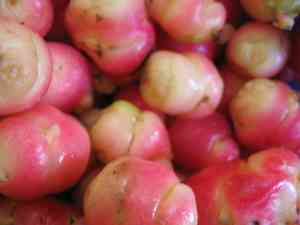
Oca, recognized for its vivid tuberous roots and three-lobed foliage, necessitates trimming for peak development. Perform pruning in late winter or early spring to eliminate deceased or compromised stalks and stimulate fresh sprouts. Concentrate on reducing dense branches to boost air movement. Advantages encompass improved plant well-being and greater tuber output. Utilize sanitized, keen implements to prevent pathogen spread. Consistent pruning fosters robust, thriving growth and optimizes harvest.
Advantages of Trimming Oca
Advantages of Trimming Oca
Oca benefits from trimming as it promotes vigorous development and helps maintain its form. This encourages robust growth, prevents overcrowding, and ensures improved air circulation, which lowers the risk of pests and diseases.
Optimal Period for Trimming Oca
Optimal Period for Trimming Oca
Trimming or cutting back oca during early spring or late winter is ideal because it aligns with the plant's natural growth cycle. These seasons are best as oca is typically in a dormant state, which lessens stress on the plant and encourages healthy development. Pruning at this time helps prepare oca for the upcoming growing season by removing dead or diseased parts and stimulating new, strong growth. Additionally, trimming before the active growth phase ensures the plant can focus its energy on producing new shoots and tubers, enhancing overall plant health and yield.
Necessary Tools for Trimming Oca
Hand Pruners (or Pruning Shears)
Perfect for precise cuts on stems and small branches of oca due to their ergonomic design and sharp blades.
Bypass Pruners
These deliver clean cuts, crucial for preventing disease in oca's stems.
Pruning Knife
Useful for removing dead or damaged sections of oca with greater accuracy.
Sterilizing Agent (e.g., Isopropyl Alcohol or Hydrogen Peroxide)
Essential for cleaning tools before and after use to prevent the spread of diseases in oca.
How to Trim Oca
Examination
Before trimming, carefully examine oca for any indications of diseased or withered foliage. This will assist in pinpointing the exact areas needing attention.
Sanitization
Sanitize your trimming tools with rubbing alcohol or a bleach solution to prevent the spread of disease among the leaves.
Removal of Diseased Leaves
Using sharp, sterilized scissors or pruning shears, cut off the diseased leaves at their base. Ensure to remove any leaves showing signs of illness to prevent its spread.
Removal of Withered Leaves
Similarly, trim the withered leaves at their base. Focus on leaves that are completely dried and shriveled to encourage healthy growth.
Disposal
Gather and discard the trimmed diseased and withered leaves away from the plant to prevent any potential contamination or insect infestations. Do not compost diseased leaves.
Common Trimming Errors with Oca
Excessive Cutting
One of the most frequent errors is over-trimming. Removing too many stems or leaves can stress the plant and reduce its productivity.
Incorrect Technique
Using dull or unsuitable tools can cause jagged cuts, which can lead to diseases. Always ensure you are using clean, sharp pruning shears.
Trimming at the Wrong Time
Trimming at inappropriate times can negatively impact the plant's growth. Avoid pruning during the peak growing season unless absolutely necessary.
Ignoring Plant Structure
Not paying attention to the natural shape and structure of oca can result in a misshapen plant and poor growth.
General Trimming Advice for Oca
Utilize Sharp Tools
Always use sharp, clean pruning shears to make precise cuts. This minimizes damage and reduces the risk of disease transmission.
Thinning Out
Focus on thinning out the plant rather than cutting back heavily. Remove any dead or damaged stems to encourage better air circulation and healthy growth.
Cut at an Angle
Make cuts at a 45-degree angle, ideally just above a node or bud. This helps in directing new growth and reducing water pooling on the cut surface.
Consider the Plant's Shape
Aim to maintain the natural shape and structure of oca. Regularly check the plant's growth and trim selectively to preserve its form and health.
Monitor for Pests
Regular pruning sessions are also a good time to check for signs of pests or diseases. Early detection and management can prevent major issues.



