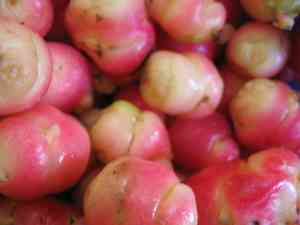
Oca (Oxalis tuberosa)
Also known as: Oca, New Zealand Yam
Oca (Oxalis tuberosa) is frequently mistaken for clover because both plants have similar trifoliate leaves, typically grouped in threes, although oca can have more leaflets. Both plants exhibit a low, spreading growth pattern, making them appear alike at a glance. Oca's foliage varies in color from light green to dark purple, adding to its ornamental appeal. Some varieties are grown in containers, while others are used in gardens for decorative purposes.
In This Article
Attributes of Oca
Lifespan
Perennial
Plant Height
45 cm
Spread
90 cm
Leaf Color
Purple Green
Flower Size
1-1.5 cm
Flower Color
Yellow
Images of Oca
Quickly Identify Oca
1
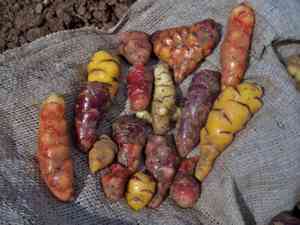
Oca can be identified by its trifoliate leaves similar to clover, bright yellow flowers, and tubers that come in a range of colors including pink, red, and yellow. The plant forms small clusters and has a bushy growth habit.
Scientific Classification of Oca
Phylum
Vascular plants
Class
Dicotyledons
Order
Oxalidales
Family
Wood sorrel
Genus
Wood sorrels
Species
Oca
Planting and Growing of Oca
Care Difficulty
Moderate
Watering Schedule
Every 4 days
Sunlight Requirements
Partial sun
Sunshine Duration
4-8 hours
Ideal Temperature
60-68℉
Soil Type
Potting Mix, Peat Mix
Soil pH
5.5-7.5
Fertilizer Type
Balanced
Pruning Season
Spring, Summer
Pruning Area
Branches, Leaves
Pruning Frequency
2 times a year
Repotting Season
Spring
Pot Type
Plastic, Ceramic
 How to Water Oca?
For Oxalis tuberosa, the watering amount should be just enough to soak the soil but not leave it saturated. The soil should feel moist to the touch, but water should not be pooling on the surface or seeping out at the bottom of the pot. This ensures the tubers are not drowning and the roots have enough oxygen.
What are the symptoms of an underwatered Oca?
›
What should I do if my Oca is not getting enough water?
›
What are the symptoms of an overwatered Oca?
›
How to save an overwatered Oca?
›
 What Are the Sunlight Requirements for Oca?
Oxalis tuberosa thrives in partial sunlight, promoting robust foliage and tuber health with balanced light exposure resembling its native highland environments.
Ideal Light Intensity
›
Achieving Ideal Light
›
Benefits of Ideal Light
›
 What Is the Ideal Temperature Range for Oca?
Oxalis tuberosa thrives best in temperate climates with temperatures between 60°F and 68°F. This range provides optimal conditions for growth, allowing the plant to efficiently carry out photosynthesis and produce healthy tubers. Maintaining this temperature range ensures that the plant remains vigorous and resistant to stress.
 What Soil is Best for Oca?
Oxalis tuberosa requires well-drained soil to prevent waterlogging, which can lead to root rot. Good drainage ensures the roots receive enough oxygen and nutrients, promoting healthy growth. A nutrient-rich soil is essential for Oxalis tuberosa as it provides the necessary elements for vigorous tuber development and overall plant health, enhancing crop yield. Soil with moderate moisture retention helps maintain consistent hydration without becoming soggy, which is ideal for Oxalis tuberosa to thrive and develop robust tubers.
 How to Fertilize Oca?
For Oxalis tuberosa, it's essential to use a balanced fertilizer at half the recommended strength. Given its tuberous nature, this helps in ensuring the soil isn't overwhelmed with nutrients, allowing the plant to absorb what it needs efficiently.
 How to Prune Oca?
Begin by using clean, sharp pruning shears to trim away any dead or yellowing leaves. Focus on cutting back overly long or leggy stems to encourage bushier growth. For best results, make clean cuts just above a leaf node or a healthy bud, which will stimulate new growth from that point. To boost tuber production, focus on pruning excess foliage that may shade lower parts of the plant. By removing these obstructions, the plant will redirect its energy towards developing more substantial underground tubers, thereby increasing your harvest potential.
More About Pruning Techniques→
 How to Propagate Oca plant?
1
Gently dig up the oxalis tubers, ensuring you do not damage them. Carefully separate them into smaller clusters, ensuring each piece has at least one budding eye or growth point to ensure successful propagation.
2
Plant the divided tubers in a well-draining potting mix or directly into prepared garden beds. Ensure the growth points are facing upwards and cover lightly with soil. Water thoroughly to settle the soil.
3
Take healthy cuttings about 10 cm long, dip the cut end into rooting hormone, and plant it in moist potting soil. Maintain a humid environment to reduce water loss and promote rooting.
 How to Repot Oca plant?
1
Oxalis tuberosa needs repotting when its growth slows, roots emerge from drainage holes, or soil compaction occurs. These factors indicate the need for more space, fresh nutrients, and better drainage. Regularly checking these signals ensures your plant remains healthy and thriving.
2
Choose a pot slightly larger than the current one, with sufficient drainage holes. A well-chosen pot offers room for root growth and prevents waterlogging. This helps keep Oxalis tuberosa roots healthy, reduces the risk of root rot, and supports better nutrient absorption.
3
Select a well-draining potting mix with organic matter. This soil allows proper air circulation and root expansion, reducing water retention. Such a medium ensures Oxalis tuberosa receives balanced moisture and nutrients, promoting vigorous growth and vibrant foliage.
Learn More About Oca Diseases
Anthracnose
Bacterial Leaf Spot
Bacterial Soft Rot
Bacterial Wilt
Chemical Injury
Damping-off
Downy Mildew
Drought Stress
Fusarium Wilt
Gray Mold
Leaf Spot
Mosaic
Nutrient Deficiency
Nutrient Toxicity
Powdery Mildew
Root Rot
Root-knot Nematode
Rusts
Sooty Mold
Spider Mites
Temperature Stress
Thrips Damage
White Mold



