How to Prune Blue woodsorrel?
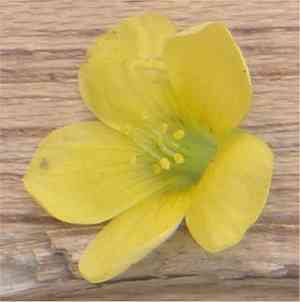
Recognized for its fragile, azure blossoms and shamrock-like foliage, blue woodsorrel flourishes with judicious trimming. The most suitable times for pruning blue woodsorrel are in late winter and early spring, coinciding with its inactive and initial development stages. Remove impaired or lifeless stalks to preserve the plant's well-being and structure. Consistent trimming fosters thicker growth and more abundant blooms. Make certain cuts are precise to avert illness, thereby encouraging vigorous health and a more vivid presentation.
What Are the Benefits of Pruning Blue Woodsorrel?
What Are the Benefits of Pruning Blue Woodsorrel?
Trimming blue woodsorrel promotes robust development, maintains its form, and boosts resistance to pests and illnesses. This method ensures improved air flow and sun exposure, resulting in healthier leaves and more vibrant blossoms.
What Is the Best Time for Pruning Blue Woodsorrel?
What Is the Best Time for Pruning Blue Woodsorrel?
Trimming or cutting back blue woodsorrel in early spring or late winter is ideal as it aligns with the plant's natural growth cycle. Late winter pruning helps remove any damaged or dead foliage before new growth starts, which can improve overall plant health. Early spring pruning stimulates strong growth as the plant enters its active growing phase. This timing also allows cuts to heal quickly, reducing disease risk. Additionally, pruning before the flowering period ensures the plant has enough energy to produce healthy blooms.
What Tools Do I Need to Prune Blue Woodsorrel?
Bypass Pruners
These are perfect for making clean cuts on delicate stems and small branches of blue woodsorrel. They are precise and cause minimal harm to the plant tissue.
Snips
These small, scissor-like tools are excellent for deadheading or trimming small shoots on blue woodsorrel. They offer fine control for detailed pruning tasks.
Sharp Utility Knife
Useful for making fine, accurate cuts when shaping or dividing blue woodsorrel. It's crucial for minimizing damage during more delicate pruning operations.
Hand Pruners
These are versatile and suitable for cutting back larger, woody stems of blue woodsorrel, ensuring a clean cut that encourages healthy regrowth.
How to Prune Blue Woodsorrel
Inspect
Carefully check blue woodsorrel for any indications of disease or wilting. Specifically, look for changes in leaf color, texture, and overall plant vitality.
Sanitize
Before pruning, clean your pruning shears or scissors with rubbing alcohol or a bleach solution to prevent the spread of pathogens.
Remove diseased leaves
Using sterilized tools, cut away any diseased leaves. Make cuts close to the leaf's base, ensuring you remove the entire affected area but avoid harming healthy plant tissue.
Remove withered leaves
Trim away all withered or dried leaves from blue woodsorrel. Make clean cuts at the base of each leaf stem, ensuring not to pull on the plant to avoid unnecessary stress.
Dispose
Properly discard all trimmed leaves, especially diseased ones, in a sealed bag to prevent contaminating other plants. Avoid composting these cuttings as they may carry diseases.
Common Pruning Mistakes with Blue Woodsorrel
Over-pruning
Removing too much foliage can stress blue woodsorrel and hinder its ability to photosynthesize effectively, which may stunt growth or lead to poor flowering.
Using dull tools
Dull pruning tools can cause uneven cuts and damage to the stems, making blue woodsorrel vulnerable to diseases and pests.
Incorrect timing
Pruning at the wrong time can harm blue woodsorrel and potentially shock the plant, though the specific season for timing is covered elsewhere.
Neglecting to sterilize tools
Failing to sterilize pruning tools can introduce diseases to blue woodsorrel, spreading pathogens from plant to plant.
Improper technique
Making large, jagged cuts or cutting too close to the main stem can harm blue woodsorrel. Always ensure your cuts are clean and precise.
Common Pruning Tips for Blue Woodsorrel
Use sharp, clean tools
Always use clean, sterilized, and sharp tools to make precise cuts that minimize damage to blue woodsorrel. This helps prevent disease spread and ensures smoother healing of the plant tissue.
Remove dead or damaged leaves
Focus on removing any dead, diseased, or damaged parts of blue woodsorrel to encourage healthier growth and prevent the spread of disease.
Promote air circulation
Thin out dense areas to allow for better air circulation within blue woodsorrel's foliage. This helps reduce the risk of fungal infections and supports healthier, more vigorous growth.
Cut above a node
Make cuts just above a leaf node or bud to encourage new growth. This targeted pruning helps blue woodsorrel develop a fuller and more balanced shape.
Be conservative with cuts
Start with minimal cuts, observing how blue woodsorrel responds before proceeding. This methodical approach helps avoid over-pruning and allows for better control over the plant's shape and health.



