How to Prune Otholobium candicans?
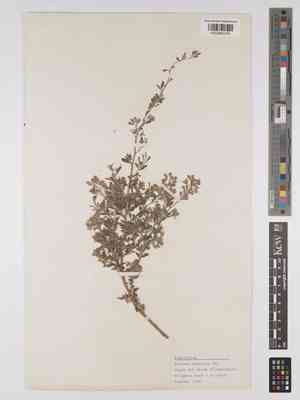
Otholobium candicans is a compact shrub characterized by its unique leaves. The most effective time for pruning is from late winter to early spring, prior to the emergence of new shoots. Eliminate any deceased or impaired branches and reduce crowded sections to improve air movement and light exposure. Gentle trimming helps preserve its form, whereas more substantial cutting revitalizes mature specimens. Consistent pruning boosts bloom production and general plant well-being.
What Are the Benefits of Pruning Otholobium Candicans?
What Are the Benefits of Pruning Otholobium Candicans?
Otholobium candicans thrives with pruning, leading to more vigorous development, a desired form, improved health, enhanced blooms, and increased resistance to pests and diseases. Regular trimming also helps manage its size and boosts its overall look.
What Is the Best Time for Pruning Otholobium Candicans?
What Is the Best Time for Pruning Otholobium Candicans?
Trimming otholobium candicans during early spring and late winter is optimal as the plant is typically dormant then. This timing minimizes plant stress and allows for quick healing before the growing season. Additionally, pruning prior to active growth ensures otholobium candicans can focus energy on producing new, healthy growth, improving its structure and vitality. This schedule also avoids disrupting its flowering period, guaranteeing abundant and vibrant blooms.
What Tools Do I Need to Prune Otholobium Candicans?
Hand Pruners
Crucial for making accurate cuts on small to medium branches, fostering healthy development and preventing harm.
Lopping Shears
Utilized for severing thicker branches that hand pruners cannot manage, ensuring clean cuts and reducing plant stress.
Pruning Saw
Perfect for removing larger branches without tearing the bark, guaranteeing a smooth cut that heals effectively.
Hedge Shears
Helpful for shaping and maintaining the overall form of otholobium candicans, especially if cultivated as a hedge or in decorative designs.
How to Prune Otholobium Candicans
Preparation
Examine otholobium candicans for any indications of diseased or withered foliage. Gather necessary implements like sanitized pruning shears.
Sterilization
Ensure that pruning tools are thoroughly disinfected before and after use to prevent the spread of pathogens.
Removal Diseased
Carefully remove any diseased leaves by cutting them at the base, near their attachment point to the plant. Dispose of these leaves away from the garden area to prevent reinfection.
Removal Withered
Trim withered leaves similarly by cutting at the base, without harming the healthy parts of the plant. Focus on eliminating all dead material.
Disposal and Cleanup
Collect all pruned material and dispose of it properly. Clean your tools again to maintain their sterilization for future use.
Common Pruning Mistakes with Otholobium Candicans
Over-pruning
Removing too much of the plant at once can stress otholobium candicans, weaken its structure, and hinder healthy growth.
Improper technique
Using dull or dirty tools can cause jagged cuts, which may lead to disease and pest problems.
Late pruning
Pruning otholobium candicans too late in the season can impede its flowering for the next cycle and expose new growth to harsh weather conditions.
Common Pruning Tips for Otholobium Candicans
Use sharp, clean tools
Ensure all cutting instruments are sharp and clean to make precise cuts and prevent the spread of disease.
Remove dead or damaged wood
Regularly trim away any dead, diseased, or damaged branches to maintain the plant's health and encourage new growth.
Thin out crowded areas
Selectively prune dense sections to improve air circulation and light penetration, promoting a healthier growth environment.
Prune with a purpose
Always prune with a clear objective, such as shaping the plant, encouraging flowering, or maintaining size, to ensure you don't inadvertently harm otholobium candicans.
Cut at a 45-degree angle
Make cuts at a 45-degree angle to prevent water from sitting on the cut surface, which reduces the risk of rot and infection.



