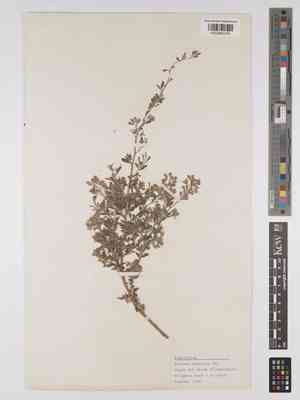
Otholobium candicans (Otholobium candicans)
Also known as: None
Otholobium candicans is characterized by its white-hairy leaves and stems, forming a compact shrublet. Its small, purple pea-like flowers are notable features, blooming within the unique fynbos biome of the Western Cape in South Africa. Growing in nutrient-poor, sandy soils, it contributes to soil enrichment through nitrogen fixation, aiding other plant species. Additionally, its dense foliage offers shelter for local wildlife, highlighting its integral role in the ecosystem.
In This Article
Attributes of Otholobium candicans
Lifespan
Perennial
Plant Type
Herb
Plant Height
0.5 to 1 meter
Spread
Approximately 0.5 meters
Leaf Color
Bright green
Flower Size
Approximately 1-2 cm
Flower Color
White or purple
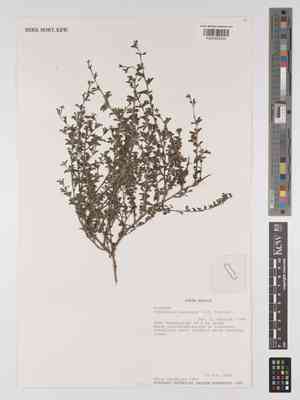
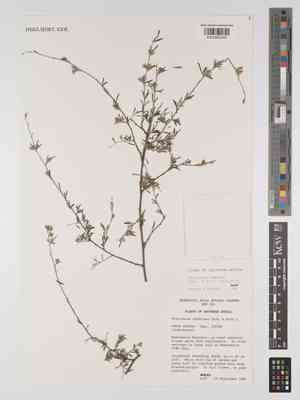
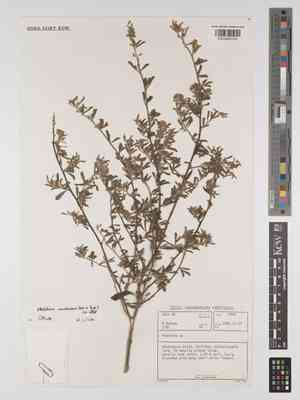
Images of Otholobium candicans
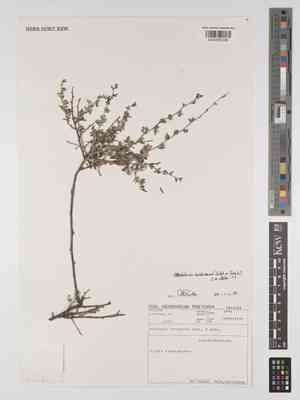
Quickly Identify Otholobium candicans
1
Otholobium candicans can be identified by its compound leaves, bright green foliage, and clustered flowers that are typically white or purple.
Scientific Classification of Otholobium candicans
Phylum
Vascular plants
Class
Dicotyledons
Order
Fabales
Family
Legume
Genus
Otholobium
Species
Otholobium candicans
Planting and Growing of Otholobium candicans
Care Difficulty
Moderate
Watering Schedule
Every 3 days
Sunlight Requirements
Partial sun
Sunshine Duration
6-10 hours
Ideal Temperature
60-75℉
Soil Type
Potting Mix, Peat Mix
Soil pH
6.5-7.5
Fertilizer Type
Balanced
Pruning Season
Spring, Summer
Pruning Area
Branches, Leaves
Pruning Frequency
2 times a year
Repotting Season
Spring
Pot Type
Plastic, Ceramic
 How to Water Otholobium candicans?
The watering amount for Otholobium candicans should be around 500 ml per session. This plant thrives in conditions where the soil remains slightly moist but not waterlogged. Always ensure the top inch of the soil is dry before watering again.
What are the symptoms of an underwatered Otholobium candicans?
›
What should I do if my Otholobium candicans is not getting enough water?
›
What are the symptoms of an overwatered Otholobium candicans?
›
How to save an overwatered Otholobium candicans?
›
 What Are the Sunlight Requirements for Otholobium candicans?
Otholobium candicans prefers partial to full sun, where it receives about 6 to 8 hours of light daily. Ideal lighting ensures healthier growth and prevents common issues like leaf burn or leggy growth.
What is the optimal lighting for Otholobium candicans?
›
How can I achieve ideal lighting conditions for it?
›
What benefits does ideal lighting confer to the plant?
›
 What Is the Ideal Temperature Range for Otholobium candicans?
The ideal temperature range for Otholobium candicans is between 60°F and 75°F. This range ensures that the plant can photosynthesize efficiently and maintain healthy growth rates. Proper temperature facilitates enzymatic activities and nutrient absorption, ultimately leading to vibrant foliage and robust health.
 What Soil is Best for Otholobium candicans?
Otholobium candicans thrives in soils that allow excess water to drain quickly, preventing root rot and promoting healthy root development. Well-draining soil mitigates the risk of waterlogging, which can be detrimental to the plant’s health. Providing a nutrient-rich substrate ensures robust growth and vibrant foliage. Incorporating organic matter improves soil fertility, directly influencing the plant’s overall vitality and flowering potential. While excellent drainage is crucial, maintaining moderate moisture levels is beneficial for continuous growth. This balance prevents stress from drought conditions, thereby ensuring sustained health for Otholobium candicans.
 How to Fertilize Otholobium candicans?
Otholobium candicans thrives with a balanced approach to fertilizing. Use one tablespoon of balanced liquid fertilizer per gallon of water for liquid feeding. This ensures it gets the right nutrients for robust growth without overwhelming its delicate root system.
 How to Prune Otholobium candicans?
Avoid cutting back more than one-third of the plant at any time, as over-pruning can stress the plant and impede growth. Always step back to assess the plant's form before making additional cuts. Otholobium candicans may have delicate stems, so handle them gently while pruning. Apply even pressure while cutting to avoid bruising or splitting stems, which can lead to infection. Ensure all pruning tools are sterilized before each use to prevent the spread of disease. Sharp tools make clean cuts, which heal faster and reduce the risk of infection for the plant.
More About Pruning Techniques→
 How to Propagate Otholobium candicans plant?
1
Collect seeds from mature Otholobium candicans plants in late summer or autumn. Clean and dry them thoroughly. Prior to planting, soak them overnight in warm water to expedite germination.
2
Prepare a soilless mix composed of equal parts perlite and peat moss. This ensures excellent drainage, preventing root rot, and promotes robust root development for cuttings.
3
Select healthy, non-flowering shoots and cut them at a 45-degree angle just below a node. Remove lower leaves, and dip the cut end into rooting hormone to enhance root initiation.
 How to Repot Otholobium candicans plant?
1
For Otholobium candicans, observe the roots if they start to circle the pot or emerge from the drainage holes. Another sign is when growth significantly slows despite adequate care. The best time is during Spring or Autumn when the plant is naturally in a growing phase, providing it the best chance to recover from repotting stress.
2
Select a pot that is one size larger than the current one, with adequate drainage holes. This allows room for root expansion but prevents excess soil that retains water. Terracotta pots are recommended for their porous nature, enabling good air exchange and preventing waterlogging, which is essential for the plant's health.
3
Opt for a well-draining peat mix. This soil type maintains the right moisture level while preventing the roots from becoming waterlogged. Peat-based mixes ensure good aeration, essential for root health, especially for Otholobium candicans, which thrives in well-aerated soils.
Learn More About Otholobium candicans Diseases
Anthracnose
Bacterial Leaf Spot
Bacterial Wilt
Crown Gall
Cyst Nematode
Damping-off
Downy Mildew
Drought Stress
Fusarium Wilt
Gray Mold
Leaf Curl
Leaf Spot
Mosaic
Nutrient Deficiency
Nutrient Toxicity
Powdery Mildew
Root Rot
Root-knot Nematode
Rusts
Sooty Mold
Spider Mites
Temperature Stress
Thrips Damage
White Mold



