How to Prune Osteospermum muricatum?
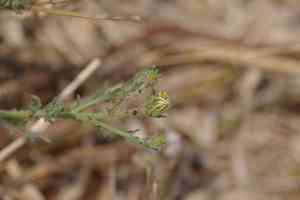
Osteospermum muricatum flourishes with consistent trimming to encourage abundant blossoms and robust development. The most effective periods for pruning are from late winter to early spring, coinciding with its natural growth pattern. Eliminate withered or faded blooms, thin out dense sections, and shorten elongated stems to foster a more compact shape. Pruning not only improves air movement, thereby lowering the chance of disease, but also stimulates strong new shoots. This guarantees a lively, shapely plant capable of prolific flowering throughout its active period.
What Are the Advantages of Trimming Osteospermum Muricatum?
What Are the Advantages of Trimming Osteospermum Muricatum?
Osteospermum muricatum benefits from trimming by encouraging robust development and maintaining its form. Consistent trimming helps manage its size, improving its overall look, and lessens risks from pests and diseases. Trimming also promotes more abundant flowering and prevents spindly growth.
When Is the Optimal Time for Trimming Osteospermum Muricatum?
When Is the Optimal Time for Trimming Osteospermum Muricatum?
Trimming or cutting back osteospermum muricatum in early spring or late winter is considered ideal for several reasons. During these periods, osteospermum muricatum is typically in a dormant or low-activity state, which minimizes stress and potential harm to the plant. This timing also aligns with the plant's natural growth cycle, allowing fresh cuts to heal before the start of vigorous new growth in the spring. Additionally, trimming during these times helps shape the plant and encourages healthier blooms or fruit as the growing season progresses. Such practices ensure that osteospermum muricatum maintains its structural integrity and remains vibrant throughout the year.
What Tools Are Necessary to Trim Osteospermum Muricatum?
Bypass Pruners
Perfect for making precise cuts on live stems and branches. They help avoid crushing plant tissue, which aids in quicker recovery.
Pruning Shears
Useful for detailed tasks, such as trimming small, delicate stems. Essential for preserving the overall shape and health of osteospermum muricatum.
Loppers
Excellent for cutting through thicker branches that are too large for standard pruners. Provides greater leverage for tougher cuts without harming the plant.
Hand Pruners
Best for quick and accurate cuts on smaller branches. Helps keep osteospermum muricatum tidy and well-maintained.
Pruning Knife
Useful for clean cuts on softer stems. Ideal for shaping and removing dead or damaged sections of osteospermum muricatum.
How to Trim Osteospermum Muricatum
Inspect
Examine osteospermum muricatum for any indications of diseased or withered foliage. Pay close attention to areas with discoloration, wilting, or any unusual marks.
Sanitize
Before beginning the trimming process, clean your pruning shears with a mixture of water and alcohol to prevent the spread of pathogens.
Remove Diseased Leaves
Carefully cut away any diseased leaves, ensuring you trim back to healthy tissue. Make precise cuts close to the stem to minimize damage.
Remove Withered Leaves
Trim away withered leaves by cutting them off at the base near the stem, removing all dead foliage to allow for new growth.
Dispose and Clean
Properly dispose of the trimmed diseased and withered leaves, away from healthy plants. Clean your trimming tools again to avoid contaminating other plants.
Common Trimming Errors with Osteospermum Muricatum
Excessive Trimming
Removing too many leaves and stems can weaken osteospermum muricatum, leading to reduced growth and flowering.
Incorrect Tools
Using dull or unclean tools can cause harm and increase the risk of infections.
Trimming at Wrong Angles
Cutting branches at inappropriate angles can injure osteospermum muricatum and hinder new growth.
Neglecting Dead or Diseased Parts
Failing to remove dead or diseased foliage can cause health issues and affect the overall vitality of osteospermum muricatum.
Timing Mistakes
Trimming at the wrong time (excluded specific season information) can negatively impact blooming and growth cycles.
General Trimming Advice for Osteospermum Muricatum
Utilize Sharp, Clean Tools
Ensure your pruning shears are sharp and sterilized to make clean cuts and prevent infections.
Focus on Deadheading
Regularly remove spent blooms to encourage continuous flowering and prevent the plant from putting energy into seed production.
Thinning
Remove any overcrowded or crossing branches to improve air circulation and light penetration, which promotes healthier growth.
Cut at Correct Angles
Make cuts at a 45-degree angle, sloping away from the bud to prevent water from collecting on the cut surface.
Regular Inspections
Perform regular checks to promptly remove dead, damaged, or diseased parts to maintain overall plant health.



