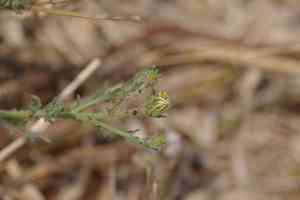
Osteospermum muricatum (Osteospermum muricatum)
Also known as: Muricated Daisy, Star of the Veldt
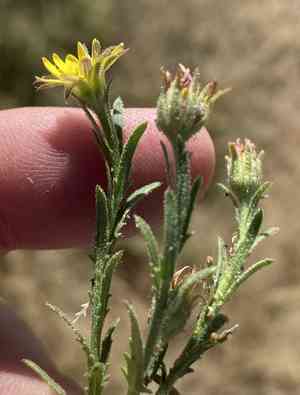
Osteospermum muricatum, a resilient perennial, is well-suited for arid to semi-arid climates. This plant features daisy-like flowers, often in striking shades of purple or blue with distinctive centers, rising above green, lance-shaped leaves. Its sturdy, grooved stems and succulent leaves are key adaptations for moisture retention, enabling it to thrive in dry, sandy soils with low nutrient levels. These characteristics make Osteospermum muricatum a robust and drought-resistant species.
In This Article
Attributes of Osteospermum muricatum
Lifespan
Perennial
Plant Type
Herb, Succulent
Plant Height
30-60 cm
Spread
30-60 cm
Leaf Color
Green
Flower Size
5-8 cm
Flower Color
Purple, Pink, White, Yellow
Images of Osteospermum muricatum
Quickly Identify Osteospermum muricatum
1
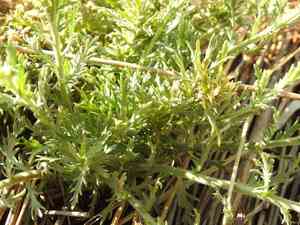
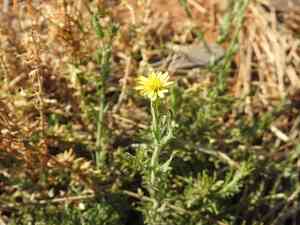
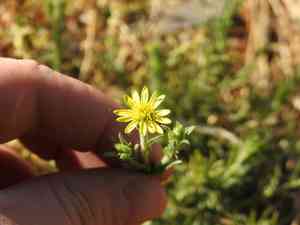
Osteospermum muricatum can be identified by its distinctive daisy-like flowers with a central disk surrounded by vibrant petals. The leaves are typically lance-shaped and slightly muricated, which means they have a rough texture.
Scientific Classification of Osteospermum muricatum
Phylum
Vascular plants
Class
Dicotyledons
Order
Asterales
Family
Daisy
Genus
Daisybushes
Species
Osteospermum muricatum
Planting and Growing of Osteospermum muricatum
Care Difficulty
Easy
Watering Schedule
Every 4 days
Sunlight Requirements
Full sun
Sunshine Duration
6-10 hours
Ideal Temperature
60-75℉
Soil Type
Potting Mix, Peat Mix
Soil pH
6.5-7.5
Fertilizer Type
Balanced
Pruning Season
Spring, Summer
Pruning Area
Branches, Leaves
Pruning Frequency
2 times a year
Repotting Season
Spring
Pot Type
Plastic, Ceramic
 How to Water Osteospermum muricatum?
For Osteospermum muricatum, ensure each watering thoroughly moistens the soil. The goal is to water until excess moisture begins to drain from the pot's bottom, indicating that the entire root system has been nourished. Be cautious not to leave the plant sitting in standing water, as this can lead to root diseases.
What are the symptoms of an underwatered Osteospermum muricatum?
›
What should I do if my Osteospermum muricatum is not getting enough water?
›
What are the symptoms of an overwatered Osteospermum muricatum?
›
How to save an overwatered Osteospermum muricatum?
›
 What Are the Sunlight Requirements for Osteospermum muricatum?
Osteospermum muricatum flourishes in full to partial sun, ideally receiving 6 to 8 hours of light daily. Adequate light encourages prolific blooming and sturdy growth.
How much light does it need?
›
Solutions for ideal lighting?
›
What are the benefits of ideal lighting?
›
 What Is the Ideal Temperature Range for Osteospermum muricatum?
Osteospermum muricatum thrives ideally in temperatures ranging from 60°F to 75°F. Within this range, the plant can efficiently perform photosynthesis, leading to optimal growth and blossoming. Keeping the temperature stable within this range can help in maintaining healthy foliage and vibrant blooms throughout the growing season.
 What Soil is Best for Osteospermum muricatum?
Osteospermum muricatum thrives in well-drained soil, essential for preventing root rot and allowing proper nutrient uptake. Good drainage ensures the plant does not sit in water, which can cause disease and hinder growth. This plant benefits from nutrient-rich soil, which supplies essential elements for robust growth and vibrant blooms. Adding organic matter can enhance soil fertility, promoting healthy root development and vigorous flowering. Maintaining moderate moisture retention is key for Osteospermum muricatum, as it helps in consistently supplying the plant with water without waterlogging. This balance supports sustained plant vitality and bloom longevity.
 How to Fertilize Osteospermum muricatum?
For Osteospermum muricatum, it is crucial to provide balanced fertilization to maintain its vigor and vibrancy. A typical recommendation is to use a diluted liquid fertilizer at half-strength. As for slow-release fertilizers, apply 50 grams per square meter. This ensures the plant receives adequate nutrients without the risk of over-fertilization.
 How to Prune Osteospermum muricatum?
Start by cutting away any dead or damaged stems. Make your cuts just above a healthy leaf node to ensure new growth can emerge. Trim densely packed areas to improve air circulation and sunlight penetration. Aim for a rounded shape, cutting back stems to a leaf node or an outward-facing bud. For a more compact and bushy plant, cut back the longest stems by about one third. This will stimulate the plant to produce new side branches.
More About Pruning Techniques→
 How to Propagate Osteospermum muricatum plant?
1
Start by soaking the seeds of Osteospermum muricatum in lukewarm water for about 24 hours. This helps in softening the hard seed coat, thereby facilitating quicker germination.
2
Sow the seeds in a seed tray filled with a moist seed-starting mix. Cover lightly with soil and maintain consistent moisture and warmth to promote successful germination of Osteospermum muricatum.
3
In early summer, use sharp pruners to take 4-6 inch cuttings from healthy stems of Osteospermum muricatum. Remove lower leaves and dip the end in rooting hormone to encourage root development.
 How to Repot Osteospermum muricatum plant?
1
Osteospermum muricatum shows clear signals when it's time to repot. Look for roots emerging from drainage holes, which indicates the plant is root-bound. Also, if the plant's growth has slowed significantly, it might be yearning for a larger home or fresh soil.
2
Choose a pot that is one size larger than the current one, with ample drainage holes at the bottom. The slightly larger size provides room for growth without overwhelming the plant, while proper drainage prevents root rot—a common issue if water is allowed to sit around roots.
3
Opt for a well-draining potting mix specifically formulated for flowering plants. Such soil offers a blend of moisture retention and aeration, ensuring roots receive the necessary oxygen while preventing waterlogging. This balance encourages robust growth and abundant flowering.
Toxicity
Ingestion
WARNING
The judgment on toxicity and danger is for reference only. We DO NOT GUARANTEE any accuracy of such judgment. Therefore, you SHALL NOT rely on such judgment. It is IMPORTANT TO SEEK PROFESSIONAL ADVICE in advance when necessary.
Learn More About Osteospermum muricatum Diseases
Anthracnose
Bacterial Leaf Spot
Bacterial Soft Rot
Bacterial Wilt
Black Spot
Chemical Injury
Crown Gall
Cyst Nematode
Damping-off
Downy Mildew
Drought Stress
Fusarium Wilt
Gray Mold
Leaf Spot
Mosaic
Nutrient Deficiency
Nutrient Toxicity
Powdery Mildew
Root Rot
Root-knot Nematode
Rusts
Sooty Mold
Spider Mites
Temperature Stress
Thrips Damage
White Mold



