How to Prune Orthotrichum moss?
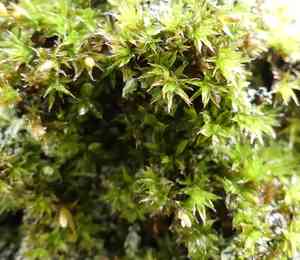
Celebrated for its delicate, plume-like look, orthotrichum moss thrives with infrequent trimming. The best periods for pruning are in early spring and late winter, coinciding with its dormant phase. Trim to eliminate any deceased or compromised sections, encouraging robust development and preserving its visual charm. Gentle manipulation is essential to prevent harm to its fragile framework. Trimming improves air movement and light exposure, fostering strong growth and warding off ailments.
What Are the Benefits of Pruning Orthotrichum Moss?
What Are the Benefits of Pruning Orthotrichum Moss?
Trimming orthotrichum moss encourages robust development and helps maintain its form. Regular trimming eliminates dead or damaged sections, improving its overall look and preventing issues with pests and diseases. This process supports healthier growth and keeps the plant at its ideal size.
What Is the Best Time for Pruning Orthotrichum Moss?
What Is the Best Time for Pruning Orthotrichum Moss?
It's best to prune orthotrichum moss in early spring or late winter, as these times precede its active growth period. Pruning then allows orthotrichum moss to heal quickly and promotes strong growth as it enters its growing season. Additionally, these seasons ensure that pruning doesn't interfere with orthotrichum moss's reproductive cycle, thus preserving its health and vigor.
What Tools Do I Need to Prune Orthotrichum Moss?
Small Scissors
Perfect for the precise work needed to trim orthotrichum moss without harming its delicate structure. Small scissors enable accurate removal of unwanted growth.
Tweezers
Useful for careful handling and removal of dead or undesirable parts of orthotrichum moss without disturbing nearby areas. They offer control and precision.
Sterilized Razor Blade
Allows for exact cuts when pruning orthotrichum moss, ensuring clean incisions to prevent any plant damage. A sterilized blade lowers the risk of disease transmission.
How to Prune Orthotrichum Moss
Assess
Examine the orthotrichum moss for any visible indications of illness or wilting by carefully observing its leaves and structure. Prioritize identifying the unhealthy sections of the plant.
Sterilize
Before beginning the pruning process, sanitize your pruning scissors or shears with rubbing alcohol or a disinfectant solution to prevent any potential spread of disease.
Remove diseased
Carefully snip off any diseased leaves identified during the assessment phase. Make clean cuts to avoid harming healthy areas, and ensure all diseased parts are completely removed.
Remove withered
Next, trim away withered leaves. These are often indicated by a brown or dry appearance. Be sure to remove only the withered portions, taking care not to disturb healthy growth.
Dispose
Properly discard the trimmed diseased and withered leaves in a sealed bag or container to prevent spreading any potential diseases or pests to other plants.
Common Pruning Mistakes with Orthotrichum Moss
Over-pruning
Removing too much foliage can stress orthotrichum moss and hinder its ability to photosynthesize effectively. Limit pruning to removing only the dead or unhealthy parts.
Wrong technique
Using unsuitable tools or methods can damage orthotrichum moss. Ensure you use sharp, clean scissors or pruning shears to make precise cuts.
Pruning too frequently
Constant pruning can disrupt orthotrichum moss's natural growth cycles. Avoid pruning too often to allow the plant to grow and recover naturally.
Ignoring signs of disease
Pruning without checking for signs of disease can spread infections. Always inspect orthotrichum moss for any symptoms of disease or pests and sanitize tools before and after use.
Common Pruning Tips for Orthotrichum Moss
Use sharp tools
Always use sharp pruning tools to make clean cuts, minimizing damage to orthotrichum moss and reducing the risk of infection.
Focus on dead growth
Primarily remove dead or damaged foliage to keep orthotrichum moss healthy and to prevent the spread of disease.
Sanitize regularly
Disinfect pruning tools before and after use with a solution of one part bleach to nine parts water, especially if orthotrichum moss shows signs of disease.
Maintain natural shape
When pruning, aim to maintain the natural shape and compactness of orthotrichum moss, which supports its overall aesthetic and health.



