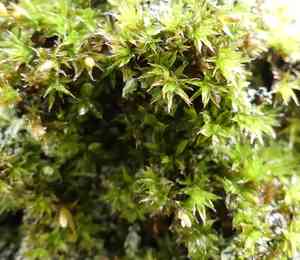
Orthotrichum moss (Orthotrichum diaphanum)
Also known as: None
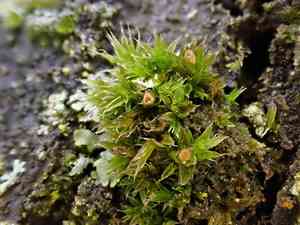
Orthotrichum moss often grows on tree bark and rocks, featuring delicate, overlapping leaves that help trap moisture. Its green to silvery-green coloration allows it to blend seamlessly into its environment. The moss's small size and spore-dispersing capsules enhance its ability to thrive in diverse habitats.
In This Article
Attributes of Orthotrichum moss
Lifespan
Perennial
Plant Height
1-2 cm
Spread
Not Applicable
Leaf Color
Green with white hair points
Flower Size
Not Applicable
Flower Color
Not Applicable
Images of Orthotrichum moss
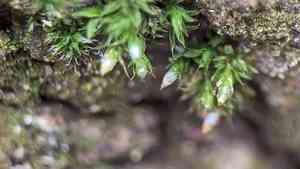
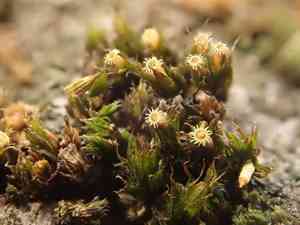
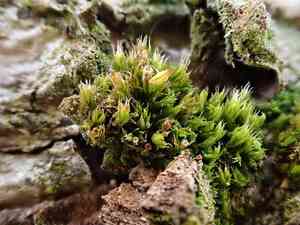
Quickly Identify Orthotrichum moss
1
Look for small, cushion-like tufts with white, translucent hair points at the tips of the leaves. This moss often grows on tree trunks and walls in well-lit areas.
Scientific Classification of Orthotrichum moss
Phylum
Mosses
Class
True mosses
Order
Orthotrichales
Family
Orthotrichaceae
Genus
Orthotrichum
Species
Orthotrichum moss
Planting and Growing of Orthotrichum moss
Care Difficulty
Moderate
Watering Schedule
Every 2 days
Sunlight Requirements
Partial sun
Sunshine Duration
6-10 hours
Ideal Temperature
50-68℉
Soil Type
Potting Mix, Peat Mix
Soil pH
6.5-7.5
Fertilizer Type
Balanced
Pruning Season
Spring, Summer
Pruning Area
Branches, Leaves
Pruning Frequency
2 times a year
Repotting Season
Spring
Pot Type
Plastic, Ceramic
 How to Water Orthotrichum moss?
Orthotrichum diaphanum enjoys a moderate amount of water. During its growth period, especially in spring and early summer, provide an even level of moisture, ensuring the soil is moist but not soggy. Water until you see a slight runoff at the base of the pot, allowing for proper hydration without waterlogging. This approach closely mimics the damp environments they naturally thrive in.
What are the symptoms of an underwatered Orthotrichum moss?
›
What should I do if my Orthotrichum moss is not getting enough water?
›
What are the symptoms of an overwatered Orthotrichum moss?
›
How to save an overwatered Orthotrichum moss?
›
 What Are the Sunlight Requirements for Orthotrichum moss?
Partial sun to full shade suits Orthotrichum diaphanum perfectly. This light range allows the plant to flourish, ensuring efficient photosynthesis and healthy development without the threat of sun damage.
What is the best light level for Orthotrichum diaphanum?
›
How can one ensure Orthotrichum diaphanum receives this ideal light?
›
What benefits does Orthotrichum diaphanum receive from ideal lighting?
›
 What Is the Ideal Temperature Range for Orthotrichum moss?
The ideal temperature range for Orthotrichum diaphanum, commonly known as the luminous moss, is between 50°F and 68°F. Within this temperature range, the moss can grow optimally, maintaining healthy and robust structures. The relatively mild temperatures support photosynthesis while minimizing stress levels associated with extreme temperature fluctuations.
 What Soil is Best for Orthotrichum moss?
Orthotrichum diaphanum thrives in well-drained soils that prevent waterlogging. Well-drained soils improve root aeration and nutrient uptake, enhancing the plant's overall health and resilience against diseases. This moss prefers soils enriched with organic matter. Nutrient-rich substrates supply essential minerals, supporting photosynthesis and growth, resulting in lush and vibrant moss carpets. The plant grows best in soils with moderate moisture levels. Consistent moisture supports steady growth and prevents dehydration, crucial for the plant's survival during dry periods.
 How to Fertilize Orthotrichum moss?
When fertilizing Orthotrichum diaphanum, use a diluted liquid fertilizer at half-strength to avoid overfeeding. For slow-release fertilizers, apply a light layer of granules around the base of the moss. Ensure that the amount used does not cover more than a third of the moss surface area to prevent potential damage.
 How to Prune Orthotrichum moss?
Before you start pruning, carefully inspect your Orthotrichum diaphanum for any brown or withered parts. These represent dead sections of moss that, when removed, will allow healthier parts to absorb nutrients more effectively and encourage fresh growth. When trimming, make small and precise cuts. It's important to only remove the necessary amount. Orthotrichum diaphanum is a slow-growing plant, so excessive pruning can lead to bare patches and might reduce its lush appearance. Aim to maintain as much of the healthy, green moss as possible.
More About Pruning Techniques→
 How to Propagate Orthotrichum moss plant?
1
The first step is to collect ripe spores from a mature Orthotrichum diaphanum plant. The spores are typically released in spring when the capsules open. Use a sheet of paper to gently tap the plant and collect the fallen spores.
2
After collecting the spores, prepare a seed tray with a mixture of peat and sand. Evenly distribute the spores over the surface and lightly press them into the substrate. Do not cover with additional substrate as moss spores require light to germinate.
3
Place the tray in a humid environment and mist regularly using a spray bottle. Ensure the substrate remains consistently moist but not waterlogged. A clear cover can be used to maintain humidity but should be removed occasionally to prevent mold growth.
 How to Repot Orthotrichum moss plant?
1
Orthotrichum diaphanum should be repotted when you notice the moss clump becomes too dense or the plant appears to be struggling in its current container. This usually occurs when growth seems restricted, and the plant does not retain moisture adequately.
2
Select a pot with good drainage holes that is just one size up from the current one. A slightly larger pot ensures the plant’s roots have space to spread while preventing overwatering, which is crucial for the health of Orthotrichum diaphanum.
3
The best soil for Orthotrichum diaphanum is a well-draining, mossy mix. This type of soil mimics its natural habitat, promoting proper air circulation and moisture retention, crucial for the moss’s healthy growth.



