How to Prune Bean broomrape?
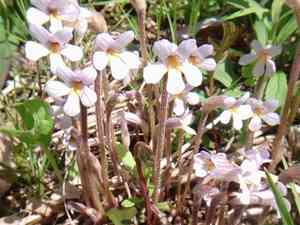
A parasitic organism, bean broomrape, affixes itself to the root systems of leguminous plants, frequently impeding their development. Successful trimming entails the prompt elimination of the plant's stems and blossoms prior to seed formation. Perform pruning in spring, summer, or autumn, aligning with the host plant's developmental stages to avert additional infestation. Regular trimming restricts the proliferation of bean broomrape, consequently safeguarding crop output and aiding in comprehensive pest control. Particular attention must be paid to eradicating and disposing of all plant material to reduce the likelihood of recurrence.
What Are the Benefits of Pruning Bean Broomrape?
What Are the Benefits of Pruning Bean Broomrape?
Trimming bean broomrape is crucial for maintaining vigorous development and a well-structured plant. Regular cutting promotes strength and prevents bean broomrape from appearing disheveled.
What Is the Best Time for Pruning Bean Broomrape?
What Is the Best Time for Pruning Bean Broomrape?
Pruning bean broomrape in Spring is beneficial as it coincides with the start of active growth post-dormancy, allowing the plant to recover quickly and channel energy into new shoots. Autumn is also suitable because bean broomrape has typically finished its growth cycle, enabling gardeners to remove spent or overgrown sections without harming the plant's health or flowering potential. Summer is not ideal as bean broomrape is actively growing and blooming, and pruning could severely disrupt its growth and reproduction.
What Tools Do I Need to Prune Bean Broomrape?
Manual weed puller
To effectively remove bean broomrape from the garden, a manual weed puller is recommended. It will help extract the plants, including their roots, preventing their spread since bean broomrape is a parasitic plant and eliminating the entire root is crucial.
Disposable gloves
Due to the parasitic nature of bean broomrape, gardeners should protect their hands with disposable gloves when handling the plant. This will prevent potential skin irritation and help ensure that seeds or plant parts are not accidentally spread to other areas.
Sharp pruning shears
If bean broomrape is attached to the host plant's stem and needs to be cut, sharp pruning shears can provide precise and clean cuts. It's important to sterilize the shears before and after use to prevent spreading any disease.
Heavy-duty garbage bags
Bean broomrape should be disposed of responsibly to prevent spreading. All removed parts of the plant should be placed in heavy-duty garbage bags and discarded according to local guidelines for controlling invasive species.
How to Prune Bean Broomrape
Remove infected material
Identify and eliminate any parts of bean broomrape showing signs of wilting or illness to prevent spread to the rest of the plant or nearby vegetation. Use sanitized pruning tools for this task.
Dispose properly
Discard infected or withered material immediately and appropriately to ensure the parasitic nature of bean broomrape does not impact other nearby plants.
Sanitize tools
Clean and disinfect pruning tools after removing withered parts to prevent the potential transfer of bean broomrape's seeds or plant fragments to healthy plants.
Monitor plant
After pruning, observe bean broomrape closely to detect any new growth of withered leaves and to continuously assess its health status.
Maintain cleanliness
Keep the area around bean broomrape's habitat clean to reduce the likelihood of further infestation or disease spread to other plants.
Common Pruning Mistakes with Bean Broomrape
Removing healthy tissue
Cutting into the healthy sections of bean broomrape, believing it might stimulate growth. This can weaken the plant because bean broomrape is parasitic and heavily relies on its host.
Excessive pruning
Removing too much of bean broomrape at once, which can stress the plant and negatively affect its ability to draw nutrients from the host plant.
Incorrect tool use
Using dull or unclean pruning tools, which can cause jagged cuts and introduce diseases to bean broomrape.
Pruning without identification
Failing to positively identify bean broomrape before pruning, risking the accidental removal or damage of beneficial plants in close proximity.
Common Pruning Tips for Bean Broomrape
Sharp clean tools
Use sterile and sharp pruning shears to make clean cuts, minimizing stress and the risk of disease transmission to bean broomrape.
Minimal pruning
Since bean broomrape is a parasitic plant, prune sparingly, only removing the parts necessary to manage its spread and protect the host plant.
Remove infested parts
Carefully remove and dispose of parts of bean broomrape that are heavily infested or dried out to avoid spreading pests or diseases.
Host plant care
Focus on the health of the host plant as well, as a robust host can better cope with the presence of bean broomrape, reducing the need for extensive pruning.



