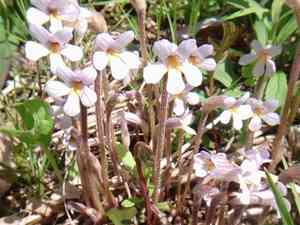
Bean broomrape (Orobanche crenata)
Also known as: Scalloped broomrape
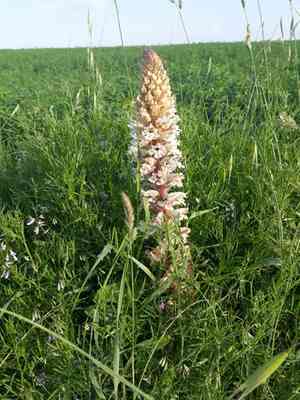
The Scabious Sommerwurz is a parasitic plant characterized by stems that can grow up to 50 cm tall, occasionally reaching 80 cm, and about 1.2 cm in diameter. The stems are slightly swollen at the base, sparsely hairy, and typically yellow in color. The leaves, which are small and scale-like, measure between 1.2 to 2.5 cm in length and are ovate-lanceolate in shape. They are densely packed near the base and become sparser higher up the stem.
In This Article
Attributes of Bean broomrape
Lifespan
Annual
Plant Type
Herb
Plant Height
1.3 m
Spread
10 cm to 30 cm
Leaf Color
Not applicable, as it lacks leaves
Flower Size
2 cm to 3 cm
Flower Color
White Yellow Purple Pink
Images of Bean broomrape
Quickly Identify Bean broomrape
1
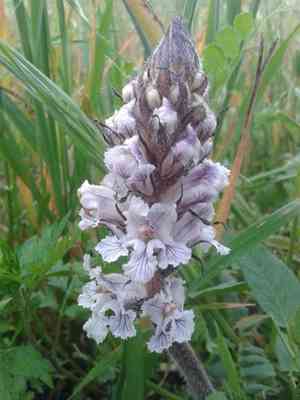
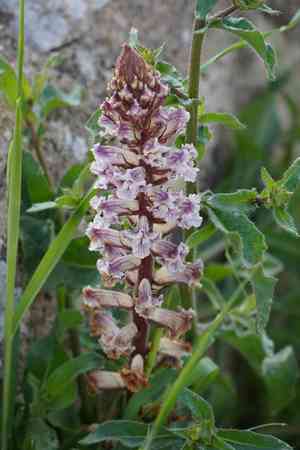
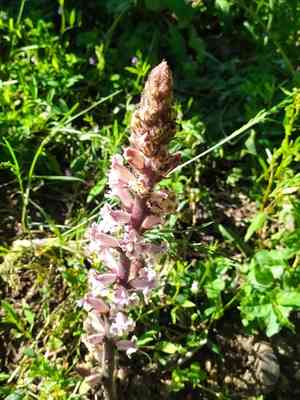
Orobanche crenata can be identified by its lack of leaves and chlorophyll, brownish-yellow stem, and violet-blue to white flowers with a tubular structure.
Scientific Classification of Bean broomrape
Phylum
Vascular plants
Class
Dicotyledons
Order
Lamiales
Family
Broomrape
Genus
Broomrapes
Species
Bean broomrape
Planting and Growing of Bean broomrape
Care Difficulty
Hard
Watering Schedule
Every day
Sunlight Requirements
Partial sun
Sunshine Duration
6-10 hours
Ideal Temperature
64-77℉
Soil Type
Potting Mix, Peat Mix
Soil pH
6.5-7.5
Fertilizer Type
Balanced
Pruning Season
Spring, Summer
Pruning Area
Leaves, Branches
Pruning Frequency
2 times a year
Repotting Season
Spring
Pot Type
Plastic, Ceramic
 How to Water Bean broomrape?
Orobanche crenata requires minimal watering due to its parasitic nature. When watering is necessary, ensure the soil is dampened adequately. Approximately 100ml should be sufficient, just enough to moisten the soil without causing it to become waterlogged.
What are the symptoms of an underwatered Bean broomrape?
›
What should I do if my Bean broomrape is not getting enough water?
›
What are the symptoms of an overwatered Bean broomrape?
›
How to save an overwatered Bean broomrape?
›
 What Are the Sunlight Requirements for Bean broomrape?
Orobanche crenata thrives in partial sun, ideally receiving around 3-4 hours of sunlight daily. This balanced exposure supports healthy growth by optimizing photosynthesis without risking dehydration or damage.
How much sun does Orobanche crenata need?
›
What happens if Orobanche crenata doesn't get enough light?
›
How can I provide the ideal light conditions?
›
 What Is the Ideal Temperature Range for Bean broomrape?
For Orobanche crenata, maintaining a temperature range between 64°F and 77°F is optimal for growth. This range ensures that the plant's physiological processes occur efficiently, allowing for robust development and vitality. It's crucial to sustain this temperature consistently to mimic its natural habitat conditions.
 What Soil is Best for Bean broomrape?
Orobanche crenata thrives in nutrient-rich soil as it supports its parasitic nature by providing essential nutrients. This type of soil ensures robust host plant health, indirectly aiding the survival of Orobanche crenata. Well-drained soil is crucial as it prevents waterlogging, which can lead to root rot and negatively impact Orobanche crenata's host plants. Ensuring good drainage is essential for maintaining strong host plant vitality. Soil with moderate moisture levels provides an optimal environment for the host plants of Orobanche crenata, reducing stress and supporting overall plant health. Consistent moisture prevents drought stress and aids nutrient uptake.
 How to Fertilize Bean broomrape?
For Orobanche crenata, fertilization should be done with caution as it is a parasitic plant. Typically, very minimal fertilization is required, focusing primarily on assisting the host plant to enhance overall growth. It's essential to use fertilizers sparingly, such as applying a diluted liquid fertilizer with an NPK ratio of 10-10-10 at a concentration of half a teaspoon per gallon of water.
 How to Prune Bean broomrape?
Orobanche crenata is a parasitic plant that primarily targets legumes and other host plants. Begin by identifying the affected host plants, as these will have the distinct shoots of Orobanche protruding from the soil near their base. Carefully remove the shoots of Orobanche crenata at the base, ensuring that you extract as much of the plant as possible from the root zone to prevent regrowth and reduce its impact on the host plant. Collected plant material should not be composted, as this may lead to further seed dispersal. Instead, bag and dispose of the material in a manner that ensures it cannot spread to other areas, such as incineration or disposal with non-compostable waste.
More About Pruning Techniques→
 How to Propagate Bean broomrape plant?
1
Fill seed trays with a fine soil mix, ensuring it's evenly distributed. Slightly moisten the soil, as this aids in the seed's initial absorption of nutrients and moisture, critical for germination.
2
Distribute the Orobanche crenata seeds evenly on the surface of the prepared seed trays. Press them gently into the soil without fully covering them, as light can aid germination.
3
Place the seed trays in a location with indirect sunlight and maintain consistent humidity. Use a clear cover if necessary, but ensure some air circulation to prevent mold growth.
 How to Repot Bean broomrape plant?
1
Repotting Orobanche crenata is necessary when you notice the plant becoming root-bound, with roots densely circling the pot's bottom or poking out through drainage holes. It's usually time to repot if the plant growth appears stunted or the soil depletes its nutrients. Spring and Autumn are ideal seasons for this task, offering optimal recovery conditions for your plant.
2
Select a pot just one size larger than the current one, ensuring it has adequate drainage holes. This prevents waterlogging, which can harm the plant. A slightly larger pot allows for root growth without overwhelming the plant with excess soil, which retains moisture and might cause root rot.
3
Use well-drained, loamy soil for repotting. This type of soil is crucial for Orobanche crenata, as it provides necessary aeration; thus, preventing root rot. The balanced texture of loamy soil also retains adequate moisture while allowing unnecessary water to flow through, mimicking the plant's natural habitat.



