How to Prune Oncidium baueri?
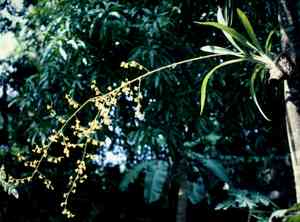
Oncidium baueri features brilliant flowers and detailed leaves, making it a prominent addition to any landscape. Trim Oncidium baueri during late winter or early spring to sculpt the plant and eliminate deceased or injured sections. Employ sanitized implements to avert illness. Concentrate on shortening elongated stems to foster more robust flowering. Consistent trimming aids in preserving plant vitality, improves air movement, and facilitates superior light exposure. Always refer to a regional gardening manual for exact schedules and methods.
Advantages of Trimming Oncidium Baueri
Advantages of Trimming Oncidium Baueri
Trimming oncidium baueri promotes vigorous development by eliminating dead or crowded sections, maintaining its form, and preventing leggy growth. It also reduces pest infestations and fosters improved air circulation and light penetration vital for healthy blooms.
Optimal Timing for Pruning Oncidium Baueri
Optimal Timing for Pruning Oncidium Baueri
Pruning oncidium baueri in late winter and early spring aligns with its dormant phase, minimizing stress and encouraging robust growth as the active season commences. This timing allows for the removal of dead or unhealthy portions before new growth emerges, ensuring healthier blooms and enhanced overall plant vitality.
Necessary Tools for Pruning Oncidium Baueri
Sterilized Pruning Scissors
For general trimming and removal of dead or damaged roots and leaves. These scissors provide clean cuts, which help to prevent infections.
Sharp Bypass Pruners
Useful for cutting thicker stems without crushing them, ensuring minimal damage to the plant.
Small Precision Shears
Ideal for detailed work such as trimming flower spikes and delicate areas. They allow for precise cuts in tight spaces.
Rubbing Alcohol or Disinfectant Wipes
Essential for sterilizing tools before and after use to prevent the spread of disease.
How to Prune Oncidium Baueri
Inspect
Examine oncidium baueri thoroughly for any signs of diseased or withered leaves. This helps in identifying the areas requiring pruning.
Tools
Gather sterilized pruning tools, such as sharp scissors or pruning shears to ensure clean cuts and prevent the spread of disease.
Remove Diseased
Carefully cut away any diseased leaves. Make cuts at the base of the leaf stem, ensuring all infected parts are removed to prevent disease spread.
Remove Withered
Trim off withered leaves by cutting close to the base. This encourages healthy new growth and improves overall plant appearance.
Dispose
Properly dispose of all removed plant material to avoid any potential spread of disease to other plants.
Common Pruning Errors with Oncidium Baueri
Incorrect technique
Using improper tools or techniques can damage oncidium baueri. For example, using blunt scissors instead of sterilized, sharp pruning shears can create jagged cuts that make the plant prone to infections.
Over-pruning
Removing too many leaves or flowers can shock oncidium baueri and hinder its ability to photosynthesize and store energy, ultimately affecting its growth and flowering negatively.
Pruning at the wrong time
Pruning oncidium baueri during or right after flowering can remove essential buds needed for the next cycle of growth. It is crucial to understand the growth cycle of oncidium baueri to avoid this mistake.
Ignoring plant signals
Failing to recognize signs of stress or disease can exacerbate issues during pruning. It's important to inspect oncidium baueri for any signs of discoloration, wilting, or pests before starting the pruning process.
General Pruning Advice for Oncidium Baueri
Use proper tools
Always use clean, sharp pruning shears specifically designed for delicate plants such as oncidium baueri. Sterilize the tools before and after use to prevent the spread of disease.
Prune selectively
Carefully remove only dead or diseased leaves and stems. Avoid cutting off healthy parts of oncidium baueri that contribute to its photosynthesis and energy storage.
Assess plant health
Prior to pruning, thoroughly examine oncidium baueri for any signs of disease or stress. This helps in targeting only the affected areas, ensuring healthier regrowth.
Cut at appropriate points
Make clean, precise cuts just above where a leaf or pseudobulb grows from the main stem. This encourages new growth in the right areas without harming the plant's structure.
Regular maintenance
Regular, light pruning is preferable to infrequent, heavy pruning. Light maintenance ensures oncidium baueri remains healthy and reduces the chances of stress or shock.



