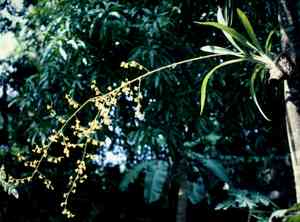
Oncidium baueri (Oncidium baueri)
Also known as: Bauer's Oncidium, Dancing Lady Orchid
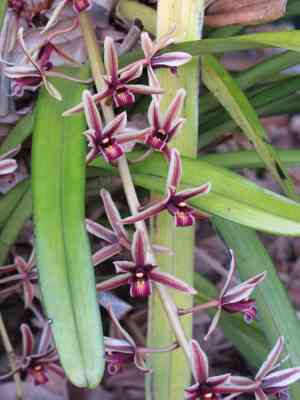
The Oncidium baueri orchid captivates enthusiasts with its striking, bright yellow and brown-speckled flowers, which bloom in large, eye-catching sprays. This epiphytic orchid often thrives on host trees, adding a unique and natural charm to gardens. Beyond its visual appeal, the Oncidium baueri is invaluable to pollinators, drawing in bees, butterflies, and other insects with its vibrant colors and abundant nectar, thus supporting ecosystem health and diversity.
In This Article
Attributes of Oncidium baueri
Lifespan
Perennial
Plant Type
Herb
Plant Height
30-90 cm
Spread
Varies widely depending on growth conditions
Leaf Color
Green
Flower Size
5-7 cm
Flower Color
Yellow with brown/red spots
Images of Oncidium baueri
Quickly Identify Oncidium baueri
1
This orchid can be identified by its large, showy inflorescences that can bear dozens of flowers. The flowers have a distinctive \'dancing\' appearance due to their shape and structure.
Scientific Classification of Oncidium baueri
Phylum
Vascular plants
Class
Monocotyledons
Order
Asparagales
Family
Orchid
Genus
Dancing-lady orchids
Species
Oncidium baueri
Planting and Growing of Oncidium baueri
Care Difficulty
Moderate
Watering Schedule
Every 2 days
Sunlight Requirements
Partial sun
Sunshine Duration
6-8 hours
Ideal Temperature
65-75℉
Soil Type
Potting Mix, Peat Mix
Soil pH
6.5-7.5
Fertilizer Type
Balanced
Pruning Season
Spring, Summer
Pruning Area
Branches, Leaves
Pruning Frequency
2 times a year
Repotting Season
Spring
Pot Type
Plastic, Ceramic
 How to Water Oncidium baueri?
Oncidium baueri requires a balanced watering approach. Aim to thoroughly water the plant, allowing the medium to absorb moisture without becoming waterlogged. Ensure that the potting mix is evenly moistened until excess water begins to drain from the bottom, indicating it is sufficiently watered.
What are the symptoms of an underwatered Oncidium baueri?
›
What should I do if my Oncidium baueri is not getting enough water?
›
What are the symptoms of an overwatered Oncidium baueri?
›
How to save an overwatered Oncidium baueri?
›
 What Are the Sunlight Requirements for Oncidium baueri?
Partial sunlight is the optimal range for Oncidium baueri, offering the best conditions for its growth. This balance ensures robust foliage, prolific flowering, and overall resilience against environmental stressors.
What are the ideal lighting conditions for Oncidium baueri?
›
How can you achieve ideal lighting for Oncidium baueri?
›
What are the benefits of providing ideal lighting conditions?
›
 What Is the Ideal Temperature Range for Oncidium baueri?
Oncidium baueri thrives best in environments where temperatures range from 65°F to 75°F. This range provides optimal conditions for photosynthesis and metabolic activities. Within this range, the plant is likely to exhibit robust growth and vibrant blooms.
 What Soil is Best for Oncidium baueri?
Oncidium baueri requires soil that provides excellent drainage to prevent waterlogging, which can lead to root rot. This feature mimics its natural habitat, where water flows away freely, ensuring that roots are well-aerated and healthy. This orchid thrives in soil enriched with organic matter, which supplies essential nutrients for robust growth. Such richness supports vibrant blooms and overall vitality of the plant, echoing the nutrient-dense environments in rainforests. While drainage is crucial, it's equally important that the soil retains some moisture. This ensures that the plant remains hydrated, particularly in dry spells, maintaining its lush and vibrant appearance.
 How to Fertilize Oncidium baueri?
Oncidium baueri typically requires a balanced approach to fertilizing. Use a 20-20-20 liquid fertilizer, diluted to half strength, and apply it bi-weekly during the growing season. Be cautious to avoid over-fertilizing, which can harm the plant.
 How to Prune Oncidium baueri?
Begin by inspecting the plant for any dead or discolored leaves and pseudobulbs. Using a sterilized pair of scissors or pruners, carefully cut away any unhealthy parts back to the base of the pseudobulb. Be sure to make clean cuts to minimize stress and prevent diseases from entering the cuts. Always cut at an angle, providing less water to gather on the cut surface. Once Oncidium baueri finishes blooming, you may trim the flower spike. Cut the spike about an inch above the pseudobulb, which helps the plant conserve energy for future growth. If any flower spikes remain green and healthy, you might leave them undisturbed, as they could potentially rebloom.
More About Pruning Techniques→
 How to Propagate Oncidium baueri plant?
1
Before dividing or taking cuttings, make sure the parent plant is well-hydrated and healthy. Water the plant a day or two in advance to reduce stress during division or cutting.
2
For division propagation, carefully extract the orchid from its pot and remove excess soil. Use sterile cutting tools to separate the rhizomes, ensuring each division has at least three pseudobulbs to enhance survival chances.
3
When pursuing seed propagation, sow seeds thinly on top of the prepared orchid medium. Maintain high humidity and avoid direct sunlight as seeds are susceptible to drying out quickly.
 How to Repot Oncidium baueri plant?
1
Repotting Oncidium baueri should be done when you notice overcrowding in the pot, roots growing out of the drainage holes, or a noticeable breakdown of the potting medium. These signs usually indicate that the plant needs more room or a refresh in its growing conditions to thrive.
2
Select a pot that provides enough space for the roots without being excessively large. Ensure it has good drainage holes to prevent waterlogging. Using a clear plastic pot can also help you monitor root health and moisture levels effectively.
3
Opt for a bark-based orchid mix that allows adequate air circulation around the roots. This type of mix ensures that the plant retains enough moisture while preventing root rot, a common issue with improper soil choices.
Learn More About Oncidium baueri Diseases
Anthracnose
Bacterial Leaf Spot
Bacterial Soft Rot
Black Spot
Chemical Injury
Crown Gall
Damping-off
Drought Stress
Fusarium Wilt
Gray Mold
Leaf Curl
Leaf Spot
Mosaic
Nutrient Deficiency
Nutrient Toxicity
Powdery Mildew
Root Rot
Root-knot Nematode
Sooty Mold
Spider Mites
Temperature Stress
Thrips Damage
White Mold



