How to Prune Desert evening primrose?
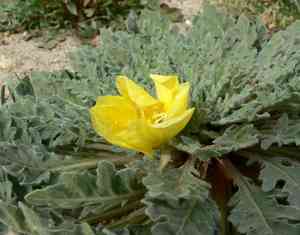
The desert evening primrose, recognized for its vibrant yellow blossoms and resilience in dry environments, thrives with trimming performed from late winter through early spring. Eliminate any deceased or compromised stalks to stimulate vigorous development and a greater abundance of flowers. Concentrate on shortening elongated stems to preserve a dense form. This period coincides with the plant's natural growth rhythm, setting it up for strong spring expansion. Consistent trimming improves air movement, lowering the likelihood of illness and boosting the general visual attractiveness of the desert evening primrose.
What Are the Benefits of Pruning Desert Evening Primrose?
What Are the Benefits of Pruning Desert Evening Primrose?
Pruning Desert Evening Primrose encourages more robust development and helps maintain its form. Trimming can boost blooming and enhance overall plant vitality, making it more resilient to pests and illnesses. Regular trimming aids in managing plant size and improves its look.
What Is the Best Time for Pruning Desert Evening Primrose?
What Is the Best Time for Pruning Desert Evening Primrose?
Trimming Desert Evening Primrose in early spring or late winter is ideal as this period precedes the plant's active growth phase. By cutting before new growth starts, you prevent unnecessary stress on the plant. Additionally, Desert Evening Primrose begins preparing for its flowering season in spring, so pruning then can enhance bloom quality and quantity. Timing pruning just before the growth surge ensures the plant heals quickly and rejuvenates, promoting strong health and vibrant flowering.
What Tools Do I Need to Prune Desert Evening Primrose?
Hand pruners
Hand pruners are perfect for Desert Evening Primrose, allowing precise cuts on soft, delicate stems. This helps maintain the plant's healthy development.
Bypass pruners
These are suitable for Desert Evening Primrose as they create clean cuts without crushing plant tissue. Proper cuts reduce plant stress and encourage faster healing.
Snips
Garden snips are useful for Desert Evening Primrose due to their small size and sharp blades, enabling careful trimming of delicate parts and deadheading flowers.
Sterilizing wipes
Essential for cleaning pruning tools before and after trimming Desert Evening Primrose to prevent disease spread. Clean tools ensure the plant stays healthy.
How to Prune Desert Evening Primrose
Prep Equipment
Ensure your pruning shears are clean and sharp to prevent disease transmission and guarantee a precise cut.
Identify Parts
Carefully inspect the plant to locate diseased and withered leaves that require removal.
Diseased Leaves
Cut away diseased leaves at their base with care, ensuring complete removal of any brown or spotted foliage to stop disease spread.
Withered Leaves
Trim withered leaves back to healthy tissue or their point of origin to stimulate new growth and maintain plant vigor.
Dispose Debris
Immediately discard all removed leaves in a sealed bag, away from the garden area, to prevent reinfestation or disease propagation.
Common Pruning Mistakes with Desert Evening Primrose
Incorrect Timing
Pruning Desert Evening Primrose at an inappropriate time can disrupt its natural growth cycle and impede flowering. It's vital to prune at the correct moment to avoid harming the plant.
Over-pruning
Removing excessive foliage or cutting back too severely can weaken Desert Evening Primrose, diminishing its capacity to photosynthesize and recover.
Improper Tools
Using dull or unsuitable tools can result in jagged cuts, making Desert Evening Primrose more vulnerable to infections and diseases.
Wrong Cuts
Making incorrect cuts, such as cutting too close to the main stem or at an improper angle, can lead to poor healing and potential dieback.
Common Pruning Tips for Desert Evening Primrose
Sharp Tools
Always use sharp, clean pruning shears to ensure precise cuts and minimize the risk of infections.
Moderation
Prune lightly and selectively, focusing on removing spent blooms, dead, or damaged parts to encourage new growth without over-stressing the plant.
Proper Technique
Make clean, angled cuts just above a leaf node or bud to promote healthy regrowth and avoid dieback.
Sanitization
Sanitize tools before and after pruning to prevent the spread of diseases. A simple solution of rubbing alcohol or diluted bleach works well.


