How to Prune Howard's evening primrose?
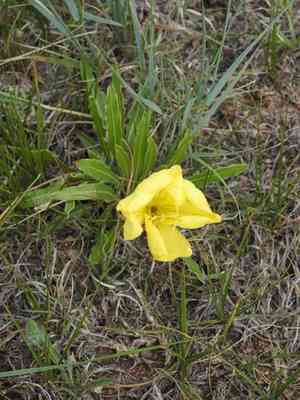
Howard's evening primrose, known for its vivid nocturnal flowers, thrives with yearly trimming. Perform this maintenance during late winter to early spring, right before fresh shoots emerge. Eliminate any lifeless or compromised stalks, and cut back overly long branches to foster a denser form and more abundant blossoms. Consistent trimming leads to more robust, flourishing plants by improving air movement and light exposure. Follow these recommendations to guarantee the best appearance and well-being for your howard's evening primrose.
What Are the Benefits of Pruning Howard's Evening Primrose?
What Are the Benefits of Pruning Howard's Evening Primrose?
Howard's evening primrose thrives with trimming, which helps maintain its form, encourages robust development, and improves its overall look. Consistent trimming aids in managing the plant's size, ensuring it remains controllable and vigorous.
What Is the Best Time for Pruning Howard's Evening Primrose?
What Is the Best Time for Pruning Howard's Evening Primrose?
Trimming or cutting back howard's evening primrose in early spring or late winter is ideal as these periods precede its active growth and blooming phases. During these times, the plant is dormant or minimally active, which lessens stress and the chance of disease and pest issues from cuts. Pruning then promotes healthy new growth for the upcoming season, ensuring vibrant flowers and strong health for howard's evening primrose. Additionally, trimming before vigorous growth begins helps shape the plant and removes any damaged or dead wood, preparing howard's evening primrose for an optimal start to its growth cycle.
What Tools Do I Need to Prune Howard's Evening Primrose?
Bypass Pruners
Perfect for making precise cuts on living stems, preserving the vitality of howard's evening primrose.
Anvil Pruners
Useful for severing thicker, dead stems without harming live plant tissues.
Hand Gloves
Provide protection against any sharp or rough parts of howard's evening primrose during trimming.
Hand Rake
Helps clear away any debris or trimmed plant material around howard's evening primrose.
Sterilizing Wipes or Solution
Essential for sanitizing pruners between cuts to prevent any disease transmission.
How to Prune Howard's Evening Primrose
Inspection
Examine howard's evening primrose to identify diseased or withered foliage. Look for any discoloration, spots, or signs of decay.
Tools
Gather sanitized pruning shears to prevent the spread of illness. Ensure shears are clean and sharp.
Cut Leaves
Carefully trim diseased leaves at their base, making clean cuts near the stem to avoid harming healthy tissue.
Cut Withered Leaves
Remove withered leaves by cutting them at their base. Ensure the cut is clean and precise.
Disposal
Dispose of removed leaves away from the garden to prevent reinfection or disease spread. Ideally, bag and discard them in the trash.
Common Pruning Mistakes with Howard's Evening Primrose
Over-pruning
Removing too much of the plant can severely stress it, leading to weakened growth or even plant death. Beginners may cut back too drastically, thinking it will encourage more growth.
Improper tools
Using dull or dirty pruning shears can introduce diseases and pests to the plant. Clean, sharp tools are essential for healthy cuts.
Pruning at the wrong time
While the best season for pruning is excluded, it's a mistake to prune during extreme weather conditions like peak summer heat or in extremely cold temperatures, as this can harm the plant.
Cutting too close to the base
Pruning too close to the base of the plant can damage the root system and hinder new growth. Leave a small portion of the stem to promote healing.
Ignoring disease signs
Failing to recognize and remove diseased or dead parts of the plant can lead to further disease spread.
Common Pruning Tips for Howard's Evening Primrose
Clean tools
Always use sterilized, sharp pruning shears to make clean cuts and reduce the risk of infection.
Moderate pruning
Prune moderately, removing just enough to shape howard's evening primrose and enhance air circulation, but not so much that the plant is overly stressed.
Angled cuts
Make angled cuts to allow water to run off, reducing the risk of rot and disease.
Regular inspection
Regularly inspect howard's evening primrose for any signs of disease or pest infestation and prune affected areas promptly to maintain overall plant health.
Focus on dead or damaged stems
Prioritize removing dead, damaged, or overlapping stems to encourage healthy growth and better flowering.



