How to Prune Crownleaf evening primrose?
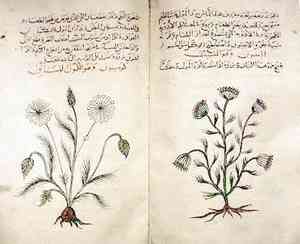
For the Crownleaf evening primrose, crownleaf evening primrose, trimming entails removing faded blossoms to foster ongoing flowering and excising lifeless or injured stalks to preserve vitality. The suitable period for this maintenance is in late spring or summer, coinciding with crownleaf evening primrose's vigorous development stage. Trimming crownleaf evening primrose not only stimulates fresh development and bloom generation but can also aid in disease prevention by enhancing air movement among the leaves. These methods guarantee crownleaf evening primrose stays lively and abundant with flowers throughout its cultivation period.
What Are the Benefits of Pruning Crownleaf Evening Primrose?
What Are the Benefits of Pruning Crownleaf Evening Primrose?
Trimming crownleaf evening primrose promotes robust development and ensures it maintains a dense, appealing form. This action can stimulate fresh, healthy shoots and prevent the plant from becoming gangly or overgrown.
What Is the Best Time for Pruning Crownleaf Evening Primrose?
What Is the Best Time for Pruning Crownleaf Evening Primrose?
Trimming crownleaf evening primrose in late spring coincides with the plant's post-flowering stage, allowing gardeners to cut without significantly affecting the season's blooming potential. This timing also aids plant recovery and growth before the hotter summer conditions arrive. Pruning in early summer helps maintain the desired shape and size of crownleaf evening primrose, while preventing any overly vigorous growth that may occur with abundant sunlight and warmth. This period allows gardeners to remove spent blooms or dead/diseased tissue, which encourages healthier growth and reduces the chance of disease spread. As crownleaf evening primrose enters a phase of active growth, the plant can heal more quickly, and the pruning cuts will stimulate new, healthy growth that matures before the cooler months.
What Tools Do I Need to Prune Crownleaf Evening Primrose?
Bypass Pruners
Perfect for making clean cuts on the green, living stems of crownleaf evening primrose, minimizing harm to plant tissues. Their scissor-like action allows for precise cutting, which helps maintain plant vitality.
Snips
These are ideal for deadheading spent flowers on crownleaf evening primrose. Snips are lightweight and offer accuracy, which is necessary to encourage further blooming and prevent seeding if not desired.
Gloves
Wearing gloves is crucial when pruning crownleaf evening primrose to shield hands from potential irritation, as some individuals may experience sensitive skin reactions to plant sap.
Garden Shears
For shaping larger areas of crownleaf evening primrose, garden shears offer a longer blade to make quick, straight cuts across foliage, assisting in maintaining the desired form.
How to Prune Crownleaf Evening Primrose
Identify diseased parts
Examine crownleaf evening primrose for any indications of illness, such as discolored or spotted leaves and stems. Look for withered or dead foliage that may be brown or brittle to the touch.
Sterilize tools
Before beginning, ensure all pruning tools are clean and disinfected to prevent the spread of disease. Use a solution of 1 part bleach to 9 parts water or rubbing alcohol to wipe down the blades.
Prune diseased leaves
Carefully remove diseased leaves from crownleaf evening primrose by cutting them at the base of the leaf stem using sharp, sterilized secateurs or scissors. Take care not to damage healthy tissue.
Prune diseased stems
Cut off diseased stems on crownleaf evening primrose by making a clean, angled cut just above a healthy leaf node or bud. This encourages healthier new growth.
Dispose of waste
After pruning crownleaf evening primrose, properly discard the diseased and withered material by sealing it in a bag and removing it from the garden to prevent any potential spread of disease or pests to other plants.
Common Pruning Mistakes with Crownleaf Evening Primrose
Over-pruning
Removing too much growth at once, which can stress crownleaf evening primrose and reduce flowering.
Improper cut location
Making cuts too far from the nodes, which can lead to dieback and disease.
Uneven pruning
Pruning unevenly, resulting in an unbalanced shape that can affect the overall health and aesthetics of crownleaf evening primrose.
Ignoring dead or damaged growth
Failing to remove dead or damaged growth, which can harbor pests and diseases.
Using dull tools
Using dull pruning tools, which can cause uneven cuts and damage to the stems of crownleaf evening primrose.
Pruning without a plan
Starting to prune without a clear plan or understanding of the plant's structure, leading to mistakes in the shape and health of crownleaf evening primrose.
Common Pruning Tips for Crownleaf Evening Primrose
Sharp clean tools
Use sharp, clean tools to make clean cuts, which help crownleaf evening primrose heal faster and reduce the risk of disease.
Cutting angle
Make cuts at a 45-degree angle just above a healthy node, to encourage new growth in the desired direction.
Judicious pruning
Prune judiciously, focusing on removing only the necessary parts like dead, damaged or excessively dense growth to maintain the plant's health and shape.
Preserve natural form
Prune with the goal of preserving crownleaf evening primrose's natural shape, rather than imposing an unnatural form.
Post-pruning care
Provide crownleaf evening primrose with appropriate care after pruning, such as watering, to help it recover and thrive.
Monitor plant response
Monitor the response of crownleaf evening primrose after pruning and adjust future practices based on the plant's health and growth patterns.



