
Crownleaf evening primrose (Oenothera coronopifolia)
Also known as: California primrose, Western Evening Primrose
The crownleaf evening primrose (Oenothera coronopifolia) gets its name from its distinctive leaf shape, reminiscent of a regal crown. Although its Latin name suggests a connection to wine, it is not used in winemaking. This plant is prized in desert landscapes for its striking yellow blooms that brighten arid areas and its remarkable ability to survive extreme drought conditions.
In This Article
Attributes of Crownleaf evening primrose
Lifespan
Perennial
Plant Type
Herb
Plant Height
30 cm
Spread
1.2 m
Leaf Color
Green
Flower Size
5 cm
Flower Color
White
Images of Crownleaf evening primrose
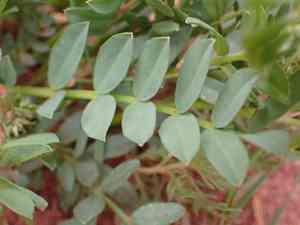
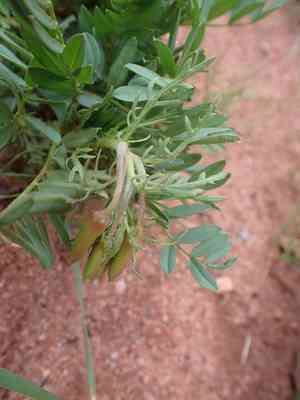

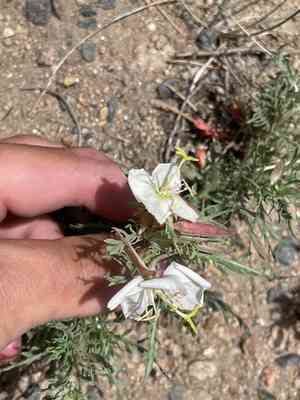
Quickly Identify Crownleaf evening primrose
1
Oenothera coronopifolia can be identified by its bright yellow flowers, which open in the evening and close by midday, and its deeply lobed leaves. It typically grows in well-drained soils in sunny habitats.
Scientific Classification of Crownleaf evening primrose
Phylum
Vascular plants
Class
Dicotyledons
Order
Myrtales
Family
Evening primrose
Genus
Evening Primrose
Species
Crownleaf evening primrose
Planting and Growing of Crownleaf evening primrose
Care Difficulty
Easy
Watering Schedule
Every 2 days
Sunlight Requirements
Full sun
Sunshine Duration
4-8 hours
Ideal Temperature
60-75℉
Soil Type
Potting Mix, Peat Mix
Soil pH
6.5-7.5
Fertilizer Type
Balanced
Pruning Season
Spring, Summer
Pruning Area
Branches, Leaves
Pruning Frequency
2 times a year
Repotting Season
Spring
Pot Type
Plastic, Ceramic
 How to Water Crownleaf evening primrose?
When watering Oenothera coronopifolia, it's crucial to ensure the soil is moistened to a depth of about 3-4 inches. Use around 250 ml of water per session, ensuring the water permeates evenly without causing waterlogging. The soil should feel damp but not overly saturated, following the soak-and-dry method, allowing the plant to thrive in conditions mimicking its natural environment.
What are the symptoms of an underwatered Crownleaf evening primrose?
›
What should I do if my Crownleaf evening primrose is not getting enough water?
›
What are the symptoms of an overwatered Crownleaf evening primrose?
›
How to save an overwatered Crownleaf evening primrose?
›
 What Are the Sunlight Requirements for Crownleaf evening primrose?
Oenothera coronopifolia prospers in environments with full sun exposure, ideally receiving 6 to 8 hours of sunlight daily. Optimum light conditions bolster photosynthesis, which is crucial for maintaining healthy growth and the formation of vibrant flowers.
More About Sunlight Requirements Techniques→
What type of sunlight does Oenothera coronopifolia prefer?
›
How can I ensure my plant receives the ideal amount of light?
›
How does the ideal lighting condition benefit Oenothera coronopifolia?
›
 What Is the Ideal Temperature Range for Crownleaf evening primrose?
For optimal growth, Oenothera coronopifolia thrives best in temperatures ranging from 60°F to 75°F. This range helps ensure that the plant's metabolic functions are operating efficiently, promoting healthy growth and vibrant blooms. Maintaining these temperatures mimics the natural conditions in which this species typically prospers, making it essential for achieving robust development and longevity.
 What Soil is Best for Crownleaf evening primrose?
Oenothera coronopifolia thrives in well-drained soil that prevents waterlogging and root rot. Good drainage ensures that the roots receive adequate oxygen and minimize the risk of fungal diseases. This plant prefers soils with moderate fertility, which provide the necessary nutrients without overwhelming the plant. Soil amendments like compost can help maintain a balanced nutrient supply, promoting healthy growth and flowering. A soil that retains moisture but isn't too waterlogged is ideal. Sandy loam achieves this balance by holding enough water to sustain the plant while allowing excess moisture to drain away, preventing root damage.
 How to Fertilize Crownleaf evening primrose?
Oenothera coronopifolia typically needs a balanced amount of fertilizer. Too much can lead to lush foliage with fewer blooms, while too little can stall growth. A general guideline is to use a half-strength liquid fertilizer monthly, making sure not to over-fertilize.
 How to Prune Crownleaf evening primrose?
Begin by looking for any dead or diseased stems and remove them promptly to prevent further damage. Next, identify any stems that are especially long, leggy, or growing in directions that disrupt the plant’s natural shape. Use sharp, clean pruning shears to make cuts just above a leaf node or any fresh growth. Angled cuts should be used to encourage water runoff, which helps reduce the chance of disease. Remove about one-third of the longest stems to help maintain a compact structure.
More About Pruning Techniques→
 How to Propagate Crownleaf evening primrose plant?
1
Begin by preparing a light, well-draining soil mix. You can use a mix of potting soil with perlite to enhance drainage, as Oenothera coronopifolia prefers a non-clay, sandy texture.
2
Seeds should be sown on the surface of the soil as they require light to germinate. Lightly press them into the soil without covering them completely, and mist lightly to moisten.
3
Select healthy, non-flowering stems and take a cutting of about 10 cm in length. Trim just below a node and remove the bottom leaves for a successful rooting process.
 How to Repot Crownleaf evening primrose plant?
1
The signals for repotting Oenothera coronopifolia include roots growing from drainage holes, stunted growth, or soil that dries out quickly after watering. Spring or early summer is ideal, as the plant will have ample time to adjust and thrive in its new pot.
2
Opt for a pot slightly larger than the current one, equipped with drainage holes to prevent root rot. The material, whether clay or plastic, should complement your watering habits—a porous material like clay will allow the soil to dry more quickly, which can be beneficial for this drought-tolerant plant.
3
A well-draining soil mix enriched with sand or perlite is ideal for Oenothera coronopifolia. This mix mimics its natural habitat and prevents water from logging, ensuring the roots stay healthy and robust, vital for the plant's overall health.
Learn More About Crownleaf evening primrose Diseases
Anthracnose
Bacterial Leaf Spot
Bacterial Wilt
Chemical Injury
Crown Gall
Cyst Nematode
Damping-off
Downy Mildew
Drought Stress
Fusarium Wilt
Gray Mold
Leaf Curl
Leaf Spot
Mosaic
Nutrient Deficiency
Nutrient Toxicity
Powdery Mildew
Root Rot
Root-knot Nematode
Rusts
Sooty Mold
Spider Mites
Temperature Stress
Thrips Damage
White Mold



