How to Prune Nymphoides fallax?
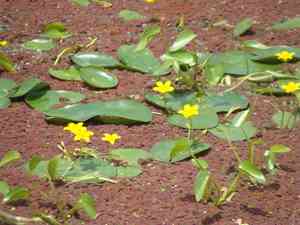
Nymphoides fallax is a perennial aquatic plant recognized for its buoyant foliage and vibrant yellow blossoms. Perform trimming in early spring or late winter to encourage robust development. Remove withered or compromised leaves and blooms to avert illness and enhance visual appeal. Shorten any excessively long stems to preserve a controlled dimension. Consistent trimming boosts light exposure and water movement. Always employ sanitized, sharp implements to prevent plant contamination.
What Are the Benefits of Pruning Nymphoides Fallax?
What Are the Benefits of Pruning Nymphoides Fallax?
Trimming nymphoides fallax encourages robust development and maintains its form, leading to a healthier specimen. It aids in size management, enhances appearance, and can avert pest and illness problems. Regular trimming boosts blooming, making the plant more visually appealing and sturdy.
What Is the Best Time for Pruning Nymphoides Fallax?
What Is the Best Time for Pruning Nymphoides Fallax?
Trimming nymphoides fallax in early spring or late winter is optimal, as it precedes the new growth period, allowing the plant to recover swiftly and foster vigorous development. These periods ensure the plant is dormant or semi-dormant, lessening the risk of stress and disease. Furthermore, pruning before active growth assists in shaping the plant and maximizing its flowering capacity, ensuring a strong and healthy developmental cycle.
What Tools Do I Need to Prune Nymphoides Fallax?
Pruning shears
Perfect for trimming small, overgrown foliage and stems to preserve the plant's contour.
Aquatic plant scissors
Specifically designed for underwater trimming, enabling clean and accurate cuts vital for maintaining the health of nymphoides fallax.
Long-handled pruning scissors
Useful for reaching deeper areas of the water body where nymphoides fallax might be growing, minimizing disruption to the surrounding habitat.
Pruning net
Helps collect trimmed plant material from the water surface, ensuring the water body stays clean and healthy.
Cane knife or sickle
Effective for more extensive trimming or clearing when nymphoides fallax has spread over larger areas.
How to Prune Nymphoides Fallax
Identify
Inspect nymphoides fallax to find diseased and withered leaves. Look for discolored, damaged, or drooping sections.
Tools
Prepare clean, sharp pruning shears or scissors to ensure precise cuts and prevent disease transmission.
Remove Diseased Leaves
Carefully snip off diseased leaves at their base, making sure to eliminate the entire affected part to stop further infection.
Remove Withered Leaves
Trim withered leaves close to the plant's base, being careful not to harm healthy parts of nymphoides fallax.
Dispose
Discard all trimmed pieces away from nymphoides fallax to prevent any potential disease spread. Clean tools thoroughly after trimming.
Common Pruning Mistakes with Nymphoides Fallax
Over-pruning
Excessively cutting back the foliage can stress nymphoides fallax, impede its growth, and reduce blooming.
Improper cuts
Making uneven or jagged cuts can harm the stems and leave the plant susceptible to disease.
Ignoring the plant's structure
Failing to understand the natural growth pattern of nymphoides fallax can result in a misshapen plant that looks unattractive and may not thrive as well.
Using dirty or blunt tools
Unclean or dull tools can introduce infections and cause tissue damage, which hinders the healing process.
Common Pruning Tips for Nymphoides Fallax
Use sharp, sanitized tools
Always use clean, sharp pruning shears to make precise cuts, minimizing damage and preventing disease.
Prune regularly but conservatively
Perform light, frequent trimming to manage the plantâs size and shape without causing undue stress.
Cut at the right angle
Make cuts at a 45-degree angle to encourage healthy new growth and reduce water accumulation on the cut surface.
Follow the plantâs natural growth pattern
Observe how nymphoides fallax naturally grows and prune in a way that maintains its aesthetic and structural integrity.
Remove dead or damaged leaves
Consistently remove any yellowing or dead leaves to encourage new growth and reduce the risk of disease.