
Nymphoides fallax (Nymphoides fallax)
Also known as: Yellow floating heart
Nymphoides fallax features heart-shaped floating leaves and small, star-shaped white flowers with fringed petals. These distinctive flowers rest on the water's surface, drawing pollinators. Nymphoides fallax thrives in calm freshwater habitats, where sunlight can penetrate to illuminate its subtle beauty, while its submerged roots anchor it to the waterbed, offering stability in its aquatic environment.
In This Article
Attributes of Nymphoides fallax
Lifespan
Perennial
Plant Type
Herb
Plant Height
10-20 cm
Spread
Sprawling growth across water surfaces, not specifically measured in diameter
Leaf Color
Green
Flower Size
2-3 cm
Flower Color
Yellow
Images of Nymphoides fallax
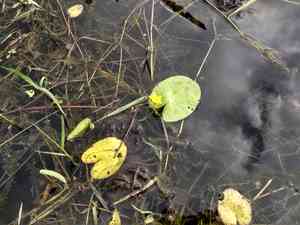
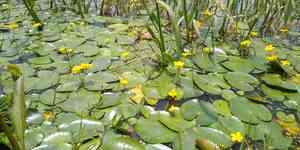
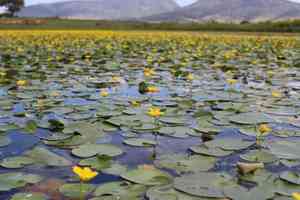
Quickly Identify Nymphoides fallax
1
Identifying Nymphoides fallax involves looking for its distinctive heart-shaped, floating leaves which are often glossy. The plant produces small, star-shaped yellow flowers that stand above the water surface. The leaves have a wavy margin, and the flowers typically bloom during the summer months.
Scientific Classification of Nymphoides fallax
Phylum
Vascular plants
Class
Dicotyledons
Order
Asterales
Family
Buckbean
Genus
Nymphoides
Species
Nymphoides fallax
Planting and Growing of Nymphoides fallax
Care Difficulty
Moderate
Watering Schedule
Every 3 days
Sunlight Requirements
Partial sun
Sunshine Duration
4-8 hours
Ideal Temperature
68-77℉
Soil Type
Potting Mix, Peat Mix
Soil pH
6.5-7.5
Fertilizer Type
Balanced
Pruning Season
Spring, Summer
Pruning Area
Branches, Leaves
Pruning Frequency
2 times a year
Repotting Season
Spring
Pot Type
Plastic, Ceramic
 How to Water Nymphoides fallax?
When watering Nymphoides fallax, aim to thoroughly soak the soil until moisture can be seen running out of the drainage holes. This aquatic plant enjoys a generous water supply, reflecting its natural habitat. Use approximately 500 ml per session to ensure the plant's roots are adequately moistened.
What are the symptoms of an underwatered Nymphoides fallax?
›
What should I do if my Nymphoides fallax is not getting enough water?
›
What are the symptoms of an overwatered Nymphoides fallax?
›
How to save an overwatered Nymphoides fallax?
›
 What Are the Sunlight Requirements for Nymphoides fallax?
Nymphoides fallax thrives in environments with partial to full sun exposure, ideally receiving about 6 to 8 hours of sunlight. This range allows for healthy growth and vibrant flowering.
Solution for Optimal Light
›
Specific Actions to Take
›
Benefits of Ideal Lighting
›
 What Is the Ideal Temperature Range for Nymphoides fallax?
For Nymphoides fallax, maintaining an ideal temperature range between 68°F and 77°F is crucial. This range ensures optimal growth, as it aligns with the plant’s natural habitat conditions. It prevents stress and supports proper metabolic functions, leading to healthy foliage and flowering.
 What Soil is Best for Nymphoides fallax?
Nymphoides fallax thrives in nutrient-rich soils that support its robust growth. Ensuring that the soil is well-fertilized provides essential nutrients, including nitrogen, phosphorus, and potassium, which promote healthy leaf development and vibrant flowering. While Nymphoides fallax enjoys wet conditions, good drainage is crucial to prevent waterlogged roots. Loamy or sandy loam soils offer excellent drainage properties, allowing excess water to escape while retaining enough moisture for the plant's needs. Consistent moisture is key for Nymphoides fallax, and loam or sandy loam soils provide the right balance. These soils hold a moderate amount of moisture, ensuring that the plant remains well-hydrated but not excessively wet, minimizing the risk of root rot.
 How to Fertilize Nymphoides fallax?
For Nymphoides fallax, a balanced approach to fertilization ensures healthy growth. Apply liquid fertilizer at half the recommended strength to prevent burning the roots. Roughly 10 ml of a 10-10-10 NPK liquid fertilizer mixed with water for every gallon used for watering ensures a light yet effective supply of nutrients.
 How to Prune Nymphoides fallax?
Before beginning the pruning process, always ensure that your tools, such as scissors or pruning shears, are sterilized to prevent any infections from spreading to or from the plant. This practice safeguards the cut sections and keeps your plant healthy and thriving. During pruning, take the opportunity to inspect Nymphoides fallax for any signs of pests or diseases. Addressing these issues early can significantly improve your plant's longevity and save it from further stress. Look for any unusual spots, webs, or damages on leaves and take action immediately.
More About Pruning Techniques→
 How to Propagate Nymphoides fallax plant?
1
Choose seeds from a healthy Nymphoides fallax plant. Make sure the seeds are mature and show no signs of decay or damage. This ensures high germination rates and robust plant development.
2
Use a sterilized knife to cut a healthy stem section. Remove leaves from the lower part of the cutting. Plant it in a potting mix ensuring stability and adequate support for root development.
3
In the division propagation method, gently separate the clumps of roots and shoots without causing damage. Plant the divided sections in fresh soil, ensuring they remain well-hydrated for re-establishment.
 How to Repot Nymphoides fallax plant?
1
Signs that Nymphoides fallax needs repotting include stunted growth, overcrowded roots, and diminished flowering. The ideal time is during Spring or Summer when the plant is actively growing, allowing it to quickly adapt to the new environment.
2
Choose a pot that is shallow and wide to allow the plant's roots to spread naturally. Preferably, it should have multiple drainage holes to prevent waterlogging. This promotes healthy root growth and prevents root rot, a common issue for aquatic plants.
3
Opt for a specialized aquatic plant potting mix enriched with organic material. This type of soil retains the necessary moisture without becoming waterlogged and provides essential nutrients, ensuring that the plant thrives in its new pot.



