How to Prune Devil's bouquet?
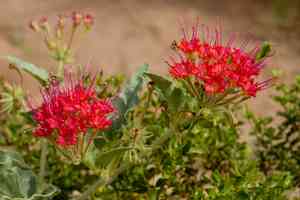
A unique floral specimen recognized for its grouped inflorescences necessitates meticulous trimming. For devil's bouquet, early spring cutting fosters denser development and boosts bloom production. Remove any winter-related harm and sculpt as preferred. Throughout the summer, remove faded flowers to stimulate fresh blooms and sustain the plant's vitality. Refrain from late-season trimming to avert new shoots vulnerable to cold injury. Consistent pruning enhances air movement and plant well-being, while shaping preserves its visual attractiveness. Always sanitize implements to preclude pathogen spread.
What Are the Benefits of Pruning Devil's Bouquet?
What Are the Benefits of Pruning Devil's Bouquet?
Trimming devil's bouquet promotes robust development and maintains its intended form, enhancing plant vitality and visual appeal. Strategic cuts can stimulate new shoots and blossoms, ensuring compact growth and reducing excessive foliage.
What Is the Best Time for Pruning Devil's Bouquet?
What Is the Best Time for Pruning Devil's Bouquet?
Pruning devil's bouquet in spring is optimal as it precedes its active growth phase, fostering a healthier and more manageable growth habit. Trimming at this time also allows gardeners to remove any dead or damaged material from the previous season, ensuring the plant's energy is directed towards new growth. Early summer pruning is beneficial for shaping devil's bouquet and controlling its size, as the rapid growth period follows spring. By pruning during these seasons, there is a reduced risk of pest infestation and disease, as cuts and wounds heal more quickly. These seasons also prevent the removal of buds that would develop into blooms or fruit, as devil's bouquet has not yet entered its full flowering or fruiting stage, preserving the plant's aesthetic and reproductive qualities.
What Tools Do I Need to Prune Devil's Bouquet?
Hand Pruners
Perfect for making clean cuts on stems and branches of devil's bouquet up to 3/4 inches in diameter. They are suitable for shaping and managing the shrub's size.
Pruning Saws
Essential for handling branches thicker than 3/4 inches that hand pruners cannot manage, allowing for precise cuts without harming devil's bouquet.
Lopping Shears
Best for branches between 1.5 to 2 inches thick. Their long handles provide leverage to cut through heavier growth of devil's bouquet, making them more appropriate when hand pruners are insufficient.
Gloves
Protective gloves are crucial to guard against thorns and rough branches while caring for devil's bouquet. Such protection ensures the gardener can prune without injury.
Pruning Snips
Suitable for deadheading or removing spent blooms of devil's bouquet, allowing for precision in tight spaces and encouraging further flowering.
How to Prune Devil's Bouquet
Identify
Examine devil's bouquet closely to pinpoint diseased leaves, withered foliage, and unhealthy stems that need trimming.
Sanitize
Disinfect pruning shears with rubbing alcohol or a bleach solution to prevent the spread of pathogens.
Cut diseased leaves
Remove diseased and withered leaves at their base, where they connect to the main stem or branch, being careful not to harm healthy adjacent foliage.
Prune diseased stems
Trim diseased stems by making a clean cut at least an inch below the affected area, into healthy, green tissue to ensure complete removal of diseased parts.
Dispose
Discard all trimmed parts by removing them from the area to prevent any potential spread of disease and deter pests.
Common Pruning Mistakes with Devil's Bouquet
Overpruning
Removing too much foliage from devil's bouquet at once can stress the plant, leading to stunted growth or a failure to flower. It's crucial to prune no more than one-third of the plant's total foliage during a single pruning session.
Improper cut location
Cutting devil's bouquet's stems either too close or too far from the nodes can hinder proper healing and growth. Prune just above a leaf node, where the leaf or branch connects to the stem, which will encourage healthy new growth.
Using dull tools
Pruning devil's bouquet with dull tools can damage stems, creating jagged cuts that make the plant more susceptible to disease and pests. Always use sharp, clean pruning shears.
Neglecting damaged limbs
Failing to remove dead or diseased limbs from devil's bouquet not only affects the plant's appearance but can also hamper its overall health and vitality.
Pruning at random
Random indiscriminate pruning without understanding the growth pattern of devil's bouquet can lead to an undesirable plant shape and reduced flowering.
Ignoring plant health
Pruning devil's bouquet when it is unhealthy or stressed, such as during drought conditions or pest infestations, can further weaken the plant.
Common Pruning Tips for Devil's Bouquet
Selective pruning
Carefully choose which stems and branches to prune on devil's bouquet, focusing on removing only the damaged or overgrown parts to maintain the plant's natural shape and improve air circulation.
Promoting bushiness
Trim devil's bouquet's tips early in the growing season to encourage branching, which results in a fuller plant and more blooms.
Supporting regeneration
Prune older stems of devil's bouquet that show signs of reduced flowering to stimulate the growth of new, more vigorous stems that are likely to produce flowers.
Tool care
Keep pruning tools well-maintained, clean, and sanitized between uses to prevent the spread of disease while pruning devil's bouquet.
Post-pruning care
After pruning devil's bouquet, ensure adequate watering and fertilization to support the plant's recovery and new growth.
Planned approach
Before starting to prune devil's bouquet, devise a pruning plan, considering the desired shape and size of the plant, which will lead to more precise and effective pruning results.



