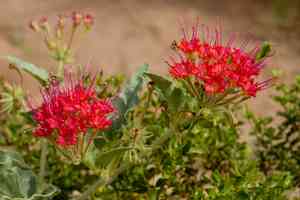
Devil's bouquet (Nyctaginia capitata)
Also known as: Wild Four O'clock, Trailing Four O'clock
The Gaillardia, commonly known as Blanket Flower, is native to certain regions of the United States. It produces vibrant blooms throughout the spring, summer, and fall, making it a popular choice for ornamental gardening.
In This Article
Attributes of Devil's bouquet
Lifespan
Perennial
Plant Type
Herb
Plant Height
15 cm to 46 cm
Spread
18-24 inches
Leaf Color
Green
Flower Size
2.5 cm to 8 cm
Flower Color
Red Orange
Images of Devil's bouquet
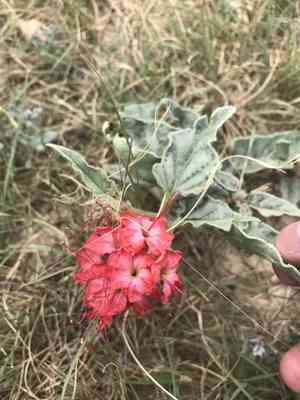
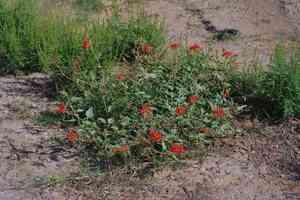
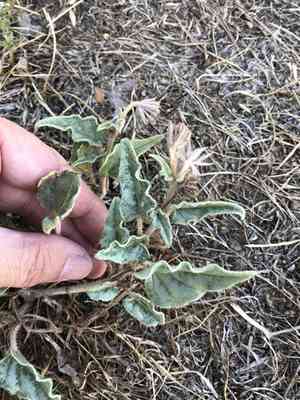
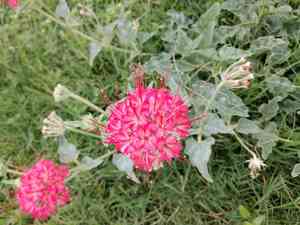
Quickly Identify Devil's bouquet
1
Nyctaginia capitata can be identified by its trailing habit, small, rounded leaves, and clusters of tiny purple flowers that have a tubular shape.
Scientific Classification of Devil's bouquet
Phylum
Vascular plants
Class
Dicotyledons
Order
Caryophyllales
Family
Four o'clock
Genus
Nyctaginia
Species
Devil's bouquet
Planting and Growing of Devil's bouquet
Care Difficulty
Easy
Watering Schedule
Every 2 days
Sunlight Requirements
Full sun
Sunshine Duration
4-8 hours
Ideal Temperature
65-75℉
Soil Type
Potting Mix, Peat Mix
Soil pH
6.5-7.5
Fertilizer Type
Balanced
Pruning Season
Spring, Summer
Pruning Area
Branches, Leaves
Pruning Frequency
2 times a year
Repotting Season
Spring
Pot Type
Plastic, Ceramic
 How to Water Devil's bouquet?
For Nyctaginia capitata, it is essential to water slowly and deeply, ensuring the soil is thoroughly moistened but not waterlogged. Allow the top inch of soil to dry between watering to maintain optimal soil hydration.
What are the symptoms of an underwatered Devil's bouquet?
›
What should I do if my Devil's bouquet is not getting enough water?
›
What are the symptoms of an overwatered Devil's bouquet?
›
How to save an overwatered Devil's bouquet?
›
 What Are the Sunlight Requirements for Devil's bouquet?
Ideal light conditions are in full sun to partial sun. This range supports optimal photosynthesis, encouraging vibrant blooms and healthy, strong growth, crucial for standing diseases and pests.
How much light does Nyctaginia capitata need?
›
What solutions are there for ensuring ideal light?
›
What are the benefits of ideal lighting?
›
 What Is the Ideal Temperature Range for Devil's bouquet?
The ideal temperature range for Nyctaginia capitata, commonly known as the Spotted Sandmat, is between 65°F to 75°F (approximately 18°C to 24°C). This range ensures optimal growth and flowering. At this temperature, the plant can efficiently conduct photosynthesis, thus promoting healthy development.
 What Soil is Best for Devil's bouquet?
Nyctaginia capitata thrives in well-drained soil that prevents waterlogging. This condition helps the roots receive adequate oxygen, thereby promoting healthy growth and preventing root diseases. This plant prefers soils with moderate fertility. Rich soil nutrients support robust plant development and vibrant blooms. However, excessive fertility may lead to weak stems or overgrowth. A slightly alkaline pH of 6.5 to 7.5 is ideal for Nyctaginia capitata. It helps in maximizing nutrient availability and promotes a balanced growth environment for the plant.
 How to Fertilize Devil's bouquet?
For Nyctaginia capitata, it's crucial to not overdo it with fertilizers. Use a balanced liquid fertilizer with an N-P-K ratio of 10-10-10, applying roughly 1/4 of a teaspoon per gallon of water. For slow-release types, use approximately 1/2 ounce per pot, distributed evenly.
 How to Prune Devil's bouquet?
Before you start pruning, ensure your tools are clean and sharp. Use a pair of bypass pruners for the best results, as they make clean cuts without damaging the stem. Having properly prepared tools helps prevent disease transmission. Begin by identifying any dead, damaged, or diseased branches during your inspection. These should be the first to go, as their removal will help the plant focus its energy on healthy growth. Look for branches that appear shriveled or discolored. Focus on shaping the plant by cutting back unruly branches that disrupt its natural form. Open up the center of the plant by removing some interior branches, which will improve air circulation and reduce the risk of fungal infections. Evaluate your work by stepping back and assessing the overall shape and balance. Make any necessary adjustments for symmetrical growth, ensuring branches are evenly distributed for a full and attractive appearance.
More About Pruning Techniques→
 How to Propagate Devil's bouquet plant?
1
Obtain fresh Nyctaginia capitata seeds and soak them in water for about 24 hours to enhance germination. After soaking, sow the seeds in a prepared seed tray with a good quality seed starting mix. Lightly cover the seeds with soil and water gently.
2
Select a healthy, non-flowering stem from the parent plant in the early summer. Using sterilized pruning shears, cut a 4-6 inch segment just below a node. Remove lower leaves, leaving only a few at the top, to reduce moisture loss.
3
Dip the cut end of the cutting into rooting hormone to increase the chances of successful root development. Plant the cutting into a pot filled with a mix of potting soil and perlite for good drainage. Keep the soil moist but not waterlogged.
 How to Repot Devil's bouquet plant?
1
Look for signs such as roots emerging from the drainage holes, slowed growth, or soil that dries out quickly. These indicate it's time to repot Nyctaginia capitata. Ensure the plant has stabilized following any visible stress before embarking on repotting.
2
Select a pot that is two inches larger in diameter than the current one, with adequate drainage holes. This size promotes root expansion without overwhelming the plant, preventing waterlogged conditions that can lead to root rot.
3
Opt for a well-draining cactus soil, enriched with organic matter but not too heavy. This mix offers excellent aeration and drainage, crucial for preventing water retention that can harm the plant's roots.
Learn More About Devil's bouquet Diseases
Anthracnose
Bacterial Leaf Spot
Bacterial Soft Rot
Bacterial Wilt
Black Spot
Chemical Injury
Crown Gall
Cyst Nematode
Damping-off
Downy Mildew
Drought Stress
Fusarium Wilt
Gray Mold
Leaf Curl
Leaf Spot
Mosaic
Nutrient Deficiency
Nutrient Toxicity
Powdery Mildew
Root Rot
Root-knot Nematode
Rusts
Sooty Mold
Spider Mites
Temperature Stress
Thrips Damage
White Mold



