How to Prune Spanish fennel?
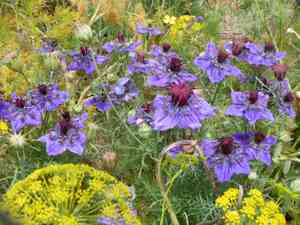
Recognized for its subtle blue blossoms and wispy leaves, spanish fennel prospers with limited trimming, mainly for shaping and fostering more compact development. The ideal periods for cutting back are from spring to autumn, enabling spanish fennel to recuperate and thrive annually. Trimming guarantees improved air movement and light access, boosting the plant's general well-being and flower production. Refrain from over-pruning to preserve its inherent structure and avert strain.
What Are the Benefits of Pruning Spanish Fennel?
What Are the Benefits of Pruning Spanish Fennel?
Trimming spanish fennel is crucial for maintaining its compact form and promoting vigorous development. Strategic cuts help revitalize the plant, fostering a strong structure and dense foliage, which is especially important for this ornamental variety.
What Is the Best Time for Pruning Spanish Fennel?
What Is the Best Time for Pruning Spanish Fennel?
Pruning spanish fennel in Spring is beneficial as it prepares the plant for robust growth during its active season, leading to healthier and more visually appealing foliage. Summer trimming is advantageous for spanish fennel to manage its size and shape, and to remove any diseased or dead foliage that could hinder growth. Fall pruning is essential as it aids spanish fennel in shedding old growth and readies it for the dormant winter period, reducing the strain on the plantâs resources and improving its resilience.
What Tools Do I Need to Prune Spanish Fennel?
Hand Pruners
Perfect for making precise cuts on spanish fennel, which typically has delicate stems. A sharp pair of bypass hand pruners can easily manage the thin, fine stems without causing harm to the plant.
Pruning Snips
These are ideal for deadheading and trimming spanish fennel. Their small, sharp blades allow for accurate cuts, vital for preserving the plantâs appearance and encouraging healthy development.
Garden Scissors
Useful for shaping and managing the soft foliage of spanish fennel. Garden scissors offer the necessary precision and control, especially when you need to trim smaller, more crowded areas without damaging adjacent stems.
How to Prune Spanish Fennel
Identify
Locate the withered or dead leaves on spanish fennel. These are typically discolored, dry, and may be crumpled or visibly damaged.
Prepare
Ready your tools. Use clean, sharp scissors or pruning shears to ensure a clean cut which helps prevent infection.
Cut
Carefully snip the withered leaves at their base where they connect to the stem. Avoid pulling the leaves to prevent damage to the healthy parts of spanish fennel.
Dispose
Properly discard the removed leaves. Do not leave them near spanish fennel as they can harbor pests or disease.
Monitor
Regularly observe spanish fennel for any further signs of wilting or health issues. Early detection simplifies maintenance and promotes robust growth.
Common Pruning Mistakes with Spanish Fennel
Over-pruning
Removing too much foliage at once can stress spanish fennel, affecting its ability to thrive and produce flowers. A common error is cutting back more than one-third of the plant during a single pruning session.
Improper technique
Using dull or dirty pruning tools can damage the stems of spanish fennel, potentially leading to disease and poor regrowth. It's crucial to use clean, sharp tools to make precise cuts.
Pruning at flowering
Cutting spanish fennel back during its flowering period can drastically reduce its bloom potential. It's important for gardeners to focus on post-flowering maintenance to avoid this mistake.
Common Pruning Tips for Spanish Fennel
Post-flowering care
After spanish fennel has finished blooming, cutting back the spent flowers to the base of the stem encourages a tidy plant habit and can stimulate additional blooming in some cases.
Maintaining plant form
Regularly trimming any wayward or disproportionately long stems helps maintain the desired shape of spanish fennel and promotes a balanced, attractive appearance.
Supporting regrowth
Making cuts just above leaf nodes on spanish fennel's stem can encourage new growth in those areas, enhancing the plant's density and vigor. This is particularly effective during the active growing season.



