How to Prune Narrowleaf mock goldenweed?
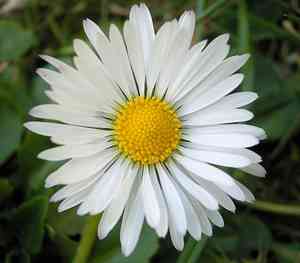
Distinguished by its slender, extended foliage, narrowleaf mock goldenweed flourishes with appropriate trimming. Essential methods involve judiciously thinning congested sections to foster air circulation and light access, thereby boosting development and bloom output. Perform pruning in the latter part of spring or early summer to sculpt the plant and eliminate any lifeless or ailing stalks. Consistent trimming additionally reduces problems with pests and sustains plant robustness, rendering it vital for the well-being and visual attractiveness of narrowleaf mock goldenweed.
What Are the Benefits of Pruning Narrowleaf Mock Goldenweed?
What Are the Benefits of Pruning Narrowleaf Mock Goldenweed?
Trimming narrowleaf mock goldenweed encourages robust development and helps maintain its compact, desired form. Consistent cutting promotes denser foliage and improved overall health, enhancing its visual appeal and suitability for the landscape.
What Is the Best Time for Pruning Narrowleaf Mock Goldenweed?
What Is the Best Time for Pruning Narrowleaf Mock Goldenweed?
Pruning narrowleaf mock goldenweed during spring and early summer is optimal due to its growth and development cycle. This period aligns with the initial growth phase when the plant actively produces new shoots and leaves. Spring pruning stimulates healthy new growth, refines the plant's natural shape, and improves air circulation and light penetration within the foliage, vital for the plant's health and vigor. Early summer pruning primarily removes spent flowers or dead/damaged branches, directing the plant's energy towards healthy growth and preparing for the next bloom cycle. These seasons avoid late summer and autumn, when pruning could trigger new growth vulnerable to winter frost damage.
What Tools Do I Need to Prune Narrowleaf Mock Goldenweed?
Hand Pruners
Ideal for cutting the relatively thin stems of narrowleaf mock goldenweed, ensuring clean, precise cuts that support plant health. Hand pruners are perfect for shaping and removing dead or damaged branches.
Pruning Shears
Effective for snipping flowers or delicate new growth from narrowleaf mock goldenweed. Their slender blades allow for precise control and easy access to dense areas without harming nearby stems.
Garden Scissors
Best for trimming small, delicate areas, especially useful if narrowleaf mock goldenweed is grown in a dense arrangement. Garden scissors offer the precision needed for detailed shaping and deadheading.
How to Prune Narrowleaf Mock Goldenweed
Identify
Locate and select diseased or withered leaves on narrowleaf mock goldenweed. Carefully inspect each part of the plant to differentiate healthy green foliage from discolored, damaged, or dry sections.
Disinfect
Sanitize your pruning tools before use and after cutting any diseased material. Use a solution of one part bleach to nine parts water to clean the blades, preventing disease transmission.
Trim leaves
Using sharp, clean scissors, carefully remove the diseased and withered leaves. Make cuts close to the stem, being careful not to harm the nodes or healthy parts of narrowleaf mock goldenweed.
Identify stems
Examine the stems of narrowleaf mock goldenweed and pinpoint any showing signs of disease or severe damage. Look for discolored, lesioned, or overly soft and wilted stems.
Trim stems
Cut back the identified diseased stems to a healthy section. Ensure cuts are made at a 45-degree angle to promote healing and prevent water accumulation that could lead to further disease.
Common Pruning Mistakes with Narrowleaf Mock Goldenweed
Over pruning
A common error is removing too much foliage from narrowleaf mock goldenweed at once, which can stress the plant and reduce its vigor. Generally, it's best not to remove more than one-third of the total foliage in a single pruning session.
Improper cut locations
Cutting narrowleaf mock goldenweed too far above or directly at the bud can result in unsightly stubs or damage the bud itself. Cuts should be made just above the bud, allowing for natural healing and growth without harming the plant's essential structures.
Neglecting tool hygiene
Using unsanitized pruning tools can introduce pathogens to narrowleaf mock goldenweed, leading to infections or diseases. It's vital to sterilize tools before and after use to maintain plant health.
Irregular pruning
Inconsistent or infrequent pruning can lead to poor growth patterns and negatively impact the overall health and appearance of narrowleaf mock goldenweed. Regular maintenance ensures balanced growth and vibrant flowering.
Common Pruning Tips for Narrowleaf Mock Goldenweed
Correct technique
Always use sharp, clean pruning shears or scissors. Make clean cuts at a 45-degree angle about 1/4 inch above an outward-facing bud. This encourages outward growth and healthy branching patterns in narrowleaf mock goldenweed.
Post-pruning care
After pruning narrowleaf mock goldenweed, it's beneficial to apply a light layer of organic mulch around the plant's base. This practice helps retain moisture, suppress weeds, and provide essential nutrients as the mulch decomposes.
Monitoring response
Observe how narrowleaf mock goldenweed reacts after each pruning session. This can offer valuable insights into the plant's growth habits and help customize future pruning to promote health and flowering.
Balanced pruning
Focus on creating a balanced shape and removing only the necessary parts of narrowleaf mock goldenweed, such as dead or diseased branches, and thinning out dense areas to promote air circulation. This approach encourages a stronger, healthier plant.



