How to Prune Fall-flowering pleatleaf?
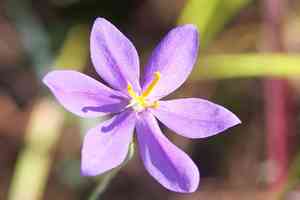
The autumn-blooming pleatleaf, recognized for its unique folded foliage and seasonal blossoms, greatly benefits from trimming. The ideal period for this task is from late winter to early spring, coinciding with its natural development phase. This schedule fosters vigorous new shoots and abundant flowering. Begin by eliminating any lifeless or ailing stalks, then reduce dense sections to boost air circulation and light exposure. Consistent trimming improves the plant's vitality, visual appeal, and bloom production. Always use sanitized, keen implements to lessen harm and avert illness.
Advantages of Trimming Fall-flowering Pleatleaf
Advantages of Trimming Fall-flowering Pleatleaf
Trimming fall-flowering pleatleaf promotes vigorous growth by eliminating dead or overcrowded stems, enhancing air circulation. It also maintains the plant's form, preventing it from becoming leggy or unruly, and ensures more abundant and attractive blooms.
Optimal Time for Trimming Fall-flowering Pleatleaf
Optimal Time for Trimming Fall-flowering Pleatleaf
Early spring and late winter are considered the best times for trimming because fall-flowering pleatleaf enters a dormant phase during late winter, reducing plant stress when pruned. Additionally, trimming in early spring allows fall-flowering pleatleaf to focus energy on new growth and healthy bloom formation. This timing ensures that trimming does not interfere with the main flowering period of fall-flowering pleatleaf, which typically occurs in the fall. Trimming during these seasons helps maintain the plant's vitality and structure, encouraging robust and appealing growth.
Tools Required for Trimming Fall-flowering Pleatleaf
Hand Pruners
Ideal for precise cuts on smaller stems. Essential for maintaining the shape and health of fall-flowering pleatleaf.
Bypass Pruners
These are perfect for clean cuts on live stems and are crucial for preventing damage that could lead to disease.
Pruning Shears
Useful for slightly thicker stems that hand pruners might struggle with, ensuring proper air circulation within fall-flowering pleatleaf.
Disinfectant
To prevent the spread of disease between plants, always sanitize tools before and after use.
How to Trim Fall-flowering Pleatleaf
Inspect
Carefully examine fall-flowering pleatleaf to identify diseased and withered leaves. Look for signs of discoloration, wilting, or fungal infection.
SanitizeTools
Before trimming, sanitize your pruning shears with a 70% alcohol solution to prevent the spread of disease.
RemoveDiseased
Using sanitized shears, trim off any diseased leaves. Cut at least 1-2 inches below the visibly affected area to ensure complete removal of the infected tissue.
RemoveWithered
Identify leaves that are withered or dead. Using your shears, cut these leaves close to their base without damaging the remaining healthy foliage.
DisposeProperly
Dispose of all removed plant material by bagging it and discarding it away from your garden to prevent potential disease spread.
Common Trimming Errors with Fall-flowering Pleatleaf
Improper technique
One of the common mistakes is using dull or dirty pruning tools, which can damage the plant tissue and increase the risk of disease.
Over-pruning
Novice gardeners often remove too much foliage, which can stress fall-flowering pleatleaf and reduce its ability to photosynthesize and store energy.
Pruning at the wrong height
Cutting too close to the ground or leaving long stubs can affect the plantâs structure and health adversely.
Not sanitizing tools between cuts
Failing to clean pruning tools between cuts can spread diseases from infected to healthy parts of the plant.
General Trimming Advice for Fall-flowering Pleatleaf
Sharp and clean tools
Always use sharp, sanitized tools to make clean cuts. This minimizes damage to the plant and reduces the risk of infection.
Moderate pruning
Remove no more than 25% of the plantâs foliage at one time. This ensures that fall-flowering pleatleaf remains healthy and can continue to grow robustly.
Proper cut placement
Make cuts just above a node or branch intersection. This allows for quicker healing and better regrowth.
Remove dead or damaged parts first
Start by removing any dead or damaged parts of fall-flowering pleatleaf. This helps direct the plantâs energy to healthier areas.
Angle your cuts
Make your pruning cuts at a slight angle to prevent water from pooling on the cuts, which can cause rot and disease.



