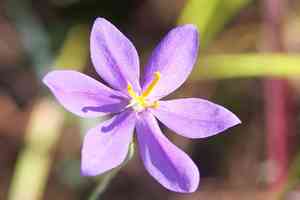
Fall-flowering pleatleaf (Nemastylis floridana)
Also known as: Celestial Lily
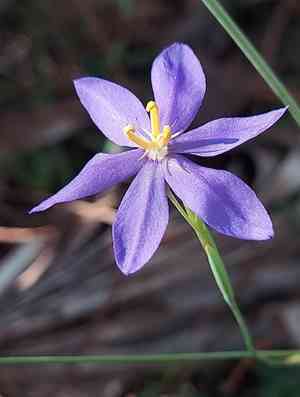
Blue-eyed Grass (Sisyrinchium angustifolium) is a charming North American plant from the Iris family, known for its vibrant violet-blue flowers. Each petal features a distinctive crested ridge, enhancing its beauty. These flowers grace slender stems that emerge from grass-like foliage. This species prospers in Florida's well-drained soils and open habitats, bringing lively springtime color to the landscape.
In This Article
Attributes of Fall-flowering pleatleaf
Lifespan
Perennial
Plant Type
Herb
Plant Height
20-30 cm
Spread
15-20 cm
Leaf Color
Green
Flower Size
3-5 cm
Flower Color
Blue-violet
Images of Fall-flowering pleatleaf
Quickly Identify Fall-flowering pleatleaf
1
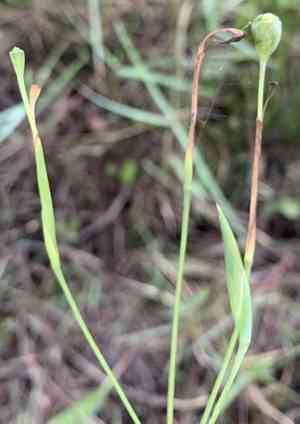
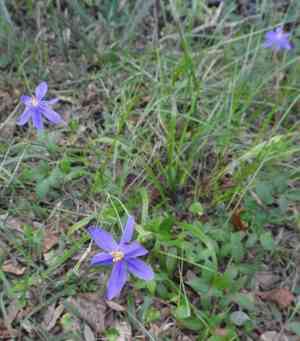
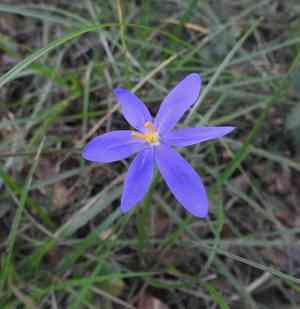
Look for a low-growing plant with grass-like leaves. The flowers have six petals, are blue-violet in color, and typically blossom during the spring.
Scientific Classification of Fall-flowering pleatleaf
Phylum
Vascular plants
Class
Monocotyledons
Order
Asparagales
Family
Iris
Genus
Pleatleaf
Species
Fall-flowering pleatleaf
Planting and Growing of Fall-flowering pleatleaf
Care Difficulty
Moderate
Watering Schedule
Every 3 days
Sunlight Requirements
Full sun
Sunshine Duration
4-6 hours
Ideal Temperature
60-75℉
Soil Type
Potting Mix, Peat Mix
Soil pH
6.5-7.5
Fertilizer Type
Balanced
Pruning Season
Spring, Summer
Pruning Area
Branches, Leaves
Pruning Frequency
2 times a year
Repotting Season
Spring
Pot Type
Plastic, Ceramic
 How to Water Fall-flowering pleatleaf?
Nemastylis floridana thrives when the soil is kept consistently moist but not waterlogged. Provide approximately 250 milliliters per watering session, ensuring that the water penetrates deeply into the soil. Water until the top 2 inches of soil feel moist, but not soggy.
What are the symptoms of an underwatered Fall-flowering pleatleaf?
›
What should I do if my Fall-flowering pleatleaf is not getting enough water?
›
What are the symptoms of an overwatered Fall-flowering pleatleaf?
›
How to save an overwatered Fall-flowering pleatleaf?
›
 What Are the Sunlight Requirements for Fall-flowering pleatleaf?
Full sun to partial sun conditions allow Nemastylis floridana to blossom and maintain healthy foliage. Optimal sunlight encourages energetic photosynthesis, promoting the plant's flowering potential and structural integrity.
Why does Nemastylis floridana need sunlight?
›
How to provide ideal lighting?
›
Benefits of ideal lighting conditions?
›
 What Is the Ideal Temperature Range for Fall-flowering pleatleaf?
To ensure optimal growth conditions for Nemastylis floridana, aim to maintain temperatures between 60°F and 75°F. This range supports healthy physiological processes and maximizes photosynthesis and nutrient uptake. Outside of this range, plant stress can hinder development.
 What Soil is Best for Fall-flowering pleatleaf?
Nemastylis floridana thrives in well-draining soil, which prevents waterlogging. Proper drainage is essential for the plant's root aeration and reduces the risk of root rot, helping it to grow vigorously. This plant benefits from moderately nutrient-rich soil that supports balanced growth. A soil that's too nutrient-poor can stunt growth, while too rich a soil can lead to weak and leggy plants. While the soil needs to be well-draining, it should also retain enough moisture. Consistent moisture helps maintain steady hydration levels, crucial for sustaining the plant's vibrant foliage and flowering potential.
 How to Fertilize Fall-flowering pleatleaf?
Nemastylis floridana benefits from a balanced approach when it comes to fertilizing. Apply a liquid fertilizer at a rate consistent with the manufacturer's instructions, typically around half-strength, to avoid overwhelming the plant. With slow-release fertilizers, use approximately 2 pounds per 100 square feet annually, ensuring even distribution over the root zone.
 How to Prune Fall-flowering pleatleaf?
Start by identifying spent blooms and unhealthy foliage. Using a pair of sharp, clean scissors or pruning shears, trim away dried or withered flowers, ensuring you make your cuts just above a pair of healthy leaves or buds. This encourages new growth by redirecting the plant’s resources. Remove any leaves showing signs of disease, which helps maintain plant health. When pruning the leaves of Nemastylis floridana, ensure you do so at the base of the plant. Avoid cutting into the healthy parts of the leaves or stems. Leaves that appear damaged or diseased should be pruned immediately to prevent the spread of infections. Regularly check the plant throughout the growing season for any signs of decline.
More About Pruning Techniques→
 How to Propagate Fall-flowering pleatleaf plant?
1
Begin by soaking the seeds in lukewarm water for 24 hours to soften the seed coat, which can help speed up the germination process. This step is particularly useful if the seeds have been stored for a long time.
2
Gently sow the seeds in a seed tray filled with sterilized soil mix. Cover them lightly with soil, ensuring they are occasionally misted to maintain moisture. Place the tray in a location with indirect sunlight.
3
To propagate by division, carefully dig up mature plants in early spring. Divide the root clumps into smaller sections, ensuring each section has a portion of the root system. Replant each section immediately.
 How to Repot Fall-flowering pleatleaf plant?
1
You should consider repotting Nemastylis floridana when you notice roots growing out of the drainage holes or the plant shows stunted growth and water drainage issues. These signs indicate that the plant has outgrown its current pot, requiring more space for healthy root development. Spring or early summer is the best time when the plant is in active growth.
2
Select a pot that's 2-3 inches larger in diameter than the current one. Opt for pots with ample drainage holes to ensure excess water can escape effortlessly. Terracotta or clay pots are ideal as they allow aeration, keeping the roots from becoming waterlogged and helping prevent root rot.
3
Choose a well-draining sandy loam soil to mimic Nemastylis floridana's natural habitat. This type of soil offers excellent drainage and aeration, ensuring the roots receive adequate oxygen while preventing water accumulation, reducing the risk of root rot and promoting healthy plant growth.
Learn More About Fall-flowering pleatleaf Diseases
Anthracnose
Bacterial Leaf Spot
Bacterial Soft Rot
Bacterial Wilt
Chemical Injury
Crown Gall
Cyst Nematode
Damping-off
Downy Mildew
Drought Stress
Fusarium Wilt
Gray Mold
Leaf Spot
Mosaic
Nutrient Deficiency
Nutrient Toxicity
Powdery Mildew
Root Rot
Root-knot Nematode
Rusts
Sooty Mold
Spider Mites
Temperature Stress
Thrips Damage
White Mold



