How to Prune Bridges' pincushionplant?
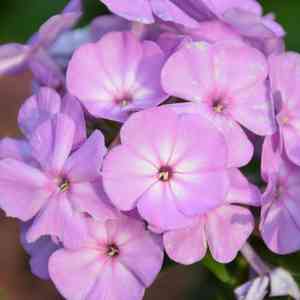
Bridges' pincushionplant is a compact, herbaceous species recognized for its thick, cushion-like leaves. Perform trimming in late spring or early summer following the initial flowering phase to stimulate additional blooms and preserve its form. Refrain from extensive cutting in late autumn to avert plant stress. Minor removal of withered or ailing stems during the active growth period enhances well-being. Consistent trimming prevents elongated growth, guaranteeing a dense structure, which is crucial for visual attractiveness and plant robustness.
Advantages of Trimming Bridges' Pincushionplant
What Are the Benefits of Pruning Bridges' Pincushionplant?
Trimming Bridges' pincushionplant encourages robust development and helps maintain an appealing form. This practice aids in managing its dimensions, ensures more vibrant blossoms, and lessens vulnerability to pests and diseases.
Optimal Period for Pruning Bridges' Pincushionplant
What Is the Best Time for Pruning Bridges' Pincushionplant?
Trimming Bridges' pincushionplant during spring, summer, and fall aligns with its inherent growth pattern. Spring pruning allows for the removal of any winter-damaged parts, fostering healthy new growth. Summer pruning assists in managing its shape and size, preventing excessive growth and ensuring peak plant vitality. Fall pruning readies Bridges' pincushionplant for winter dormancy by eliminating any surplus or dead material, thereby reducing the risk of winter harm. These seasons are considered ideal as they coincide with active growth phases, ensuring rapid healing of pruning wounds and sustained plant vigor.
Necessary Tools for Pruning Bridges' Pincushionplant
Pruning shears
Perfect for precise, controlled cuts and the removal of dead or damaged stems and leaves, crucial for maintaining the health of Bridges' pincushionplant.
Fine-point scissors
Useful for detailed trimming tasks, especially for shaping and removing delicate or thin parts of Bridges' pincushionplant without harming nearby growth.
Hand pruners
Suitable for cutting small branches or stems of Bridges' pincushionplant and for light trimming to preserve the plant's form.
Gloves
Essential for protecting hands from potential irritants while pruning Bridges' pincushionplant; ensures the gardener's safety and comfort.
How to Prune Bridges' Pincushionplant
Inspect
Examine Bridges' pincushionplant for any shriveled leaves that require removal.
Prepare
Gather clean, sharp pruning shears to ensure a precise cut and prevent plant damage.
Trim
Cut the shriveled leaves as close to the base as possible without cutting into the healthy stem.
Dispose
Collect and properly discard the removed shriveled leaves to prevent any potential disease spread.
Monitor
Regularly check Bridges' pincushionplant for new signs of wilting and repeat the trimming process as needed to maintain plant health.
Common Pruning Errors with Bridges' Pincushionplant
Over-pruning
A frequent error is removing too much of the plant, which can stress Bridges' pincushionplant and hinder its growth and blooming.
Incorrect technique
Using the wrong pruning tools or making improper cuts can harm the plant, creating potential entry points for disease and leading to poor regrowth.
Pruning at the wrong time
Although timing isn't discussed here, pruning at unsuitable times can disrupt the plant's natural growth cycle, particularly impacting its flowering period.
Ignoring plant health
Pruning a diseased or stressed plant without addressing the root issue can worsen problems, leading to weaker plants and further decline.
General Pruning Advice for Bridges' Pincushionplant
Use sharp, clean tools
Always use sharp and clean tools to make clean cuts, preventing disease spread and promoting faster healing for Bridges' pincushionplant.
Minimal but regular pruning
Prune sparingly and regularly; remove dead or damaged stems to encourage healthier growth without stressing the plant.
Maintain natural shape
Avoid drastically altering the plant's natural shape. Instead, follow the plant's inherent structure to promote balanced and aesthetically pleasing growth.
Focus on deadheading
Regularly remove spent flowers (deadheading) to encourage continuous blooming and prevent the plant from expending energy on seed production.
Observe plant signals
Monitor the plant's growth, health, and response to pruning. Adjust techniques as needed based on these observations to ensure optimal care for Bridges' pincushionplant.



