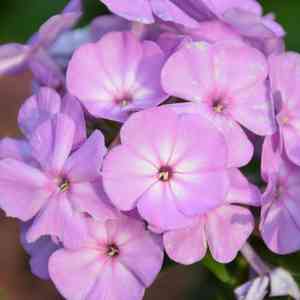
Bridges' pincushionplant (Navarretia leptalea)
Also known as: none
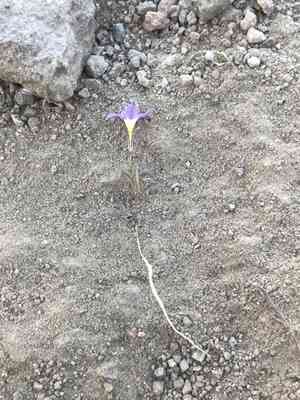
Navarretia leptalea, commonly referred to as Bridges' pincushionplant, belongs to the phlox family. This plant features glandular stems and leaves that are either linear or narrowly oval in shape. At the apex of the slender stem, you'll find an inflorescence consisting of one or more small, funnel-shaped pink flowers with elongated, narrow throats.
In This Article
Attributes of Bridges' pincushionplant
Lifespan
Annual
Plant Type
Herb
Plant Height
5 to 20 centimeters
Spread
Not applicable
Leaf Color
Green
Flower Size
Up to 10 millimeters
Flower Color
Blue to purple
Images of Bridges' pincushionplant
Quickly Identify Bridges' pincushionplant
1
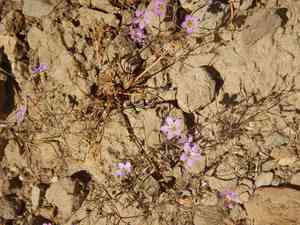
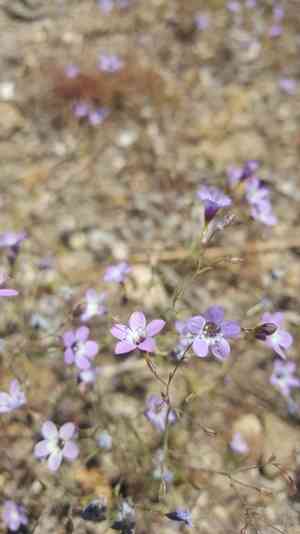
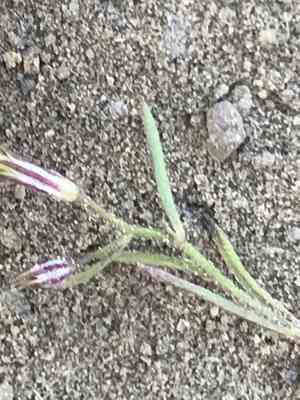
Identify Navarretia leptalea by its slim, branching stems and needle-like leaves. The small, blue to purple flowers form in compact clusters at the stem ends.
Scientific Classification of Bridges' pincushionplant
Phylum
Vascular plants
Class
Dicotyledons
Order
Ericales
Family
Phlox
Genus
Navarretia
Species
Bridges' pincushionplant
Planting and Growing of Bridges' pincushionplant
Care Difficulty
Easy
Watering Schedule
Every 2 days
Sunlight Requirements
Full sun
Sunshine Duration
6-10 hours
Ideal Temperature
50-75℉
Soil Type
Potting Mix, Peat Mix
Soil pH
6.5-7.5
Fertilizer Type
Balanced
Pruning Season
Spring, Summer
Pruning Area
Branches, Leaves
Pruning Frequency
2 times a year
Repotting Season
Spring
Pot Type
Plastic, Ceramic
 How to Water Bridges' pincushionplant?
Navarretia leptalea, known for its delicate and tiny form, prefers being watered thoroughly but less frequently. Aim for about 200 ml of water each time, ensuring that the soil is sufficiently moist but not drenched. The key is to let the top inch of soil dry out before the next watering.
What are the symptoms of an underwatered Bridges' pincushionplant?
›
What should I do if my Bridges' pincushionplant is not getting enough water?
›
What are the symptoms of an overwatered Bridges' pincushionplant?
›
How to save an overwatered Bridges' pincushionplant?
›
 What Are the Sunlight Requirements for Bridges' pincushionplant?
Partial to full sun exposure is ideal for Navarretia leptalea, as it enhances blooming and overall vigor. Adequate light facilitates optimal photosynthesis, crucial for the plant's energy and nutrient allocation.
How does Navarretia leptalea thrive?
›
What measures ensure optimal sunlight?
›
What are the benefits of ideal lighting?
›
 What Is the Ideal Temperature Range for Bridges' pincushionplant?
Navarretia leptalea thrives best in a temperature range of 50° to 75°F. This range provides optimal conditions for growth and development by ensuring that the plant's cellular processes function efficiently. Maintaining this temperature range helps to prevent stress and supports robust growth and flowering.
 What Soil is Best for Bridges' pincushionplant?
Navarretia leptalea thrives in well-drained soil that prevents waterlogging and root rot, ensuring robust root development and sustained plant health. A nutrient-rich medium supports the plant's growth and blooming potential by delivering essential nutrients consistently, encouraging vibrant flowers and healthy foliage. Soil with good aeration is essential for the plant's roots to breathe, which prevents the accumulation of harmful gases and promotes a vigorous root system.
 How to Fertilize Bridges' pincushionplant?
For Navarretia leptalea, it is recommended to apply a light layer of fertilizer. Use about one-third of the recommended dose on the product label to prevent over-fertilizing. This lessens the chance of nutrient burn while providing essential nutrients.
 How to Prune Bridges' pincushionplant?
Before you start pruning, make sure your cutting tools are clean and sterile. This practice helps to prevent disease transmission. Use a mixture of water and bleach in a 9:1 ratio to disinfect your tools thoroughly. Remove old, faded flowers by cutting just above a leaf node. This encourages the plant to produce more flowers, ensuring a prolonged blooming period and keeping your Navarretia leptalea looking fresh and vigorous. Cut back any stems that appear brown or weakened due to disease. Removing these parts can help redirect the plant’s energy to healthy growth, maintaining overall plant vitality and appearance.
More About Pruning Techniques→
 How to Propagate Bridges' pincushionplant plant?
1
Collect seeds from mature Navarretia leptalea plants during the late spring season. Ensure seeds are fully ripe and dry before harvesting. Proper collection time ensures high germination rates.
2
Fill seed trays with sterilized potting mix. Make shallow holes and plant the seeds, gently pressing them into the soil. Maintaining appropriate depth and spacing is crucial for optimal growth.
3
Carefully water the seeds to maintain moisture without waterlogging. Use a spray bottle for even distribution. Regular monitoring of moisture levels in the soil is essential to prevent drying out.
 How to Repot Bridges' pincushionplant plant?
1
Look for signs such as roots circling the pot's bottom or protruding from the drainage holes, an indication of cramped space. Leaf yellowing and poor growth also signal the need for repotting, often required every one to two years.
2
Select a pot that is 1-2 inches larger in diameter than the current one to allow root expansion. Opt for a pot with ample drainage holes to prevent root rot, and consider a material like terra cotta that naturally regulates moisture.
3
Choose a well-draining, sandy loam that mimics Navarretia leptalea’s natural dry habitat. This soil ensures excess water can escape, reducing the risk of root rot and fostering a healthy root environment.
Learn More About Bridges' pincushionplant Diseases
Anthracnose
Bacterial Leaf Spot
Bacterial Wilt
Chemical Injury
Crown Gall
Cyst Nematode
Damping-off
Downy Mildew
Drought Stress
Fusarium Wilt
Gray Mold
Leaf Curl
Leaf Spot
Mosaic
Nutrient Deficiency
Nutrient Toxicity
Powdery Mildew
Root Rot
Root-knot Nematode
Rusts
Sooty Mold
Spider Mites
Temperature Stress
Thrips Damage
White Mold



