How to Prune Southern naiad?
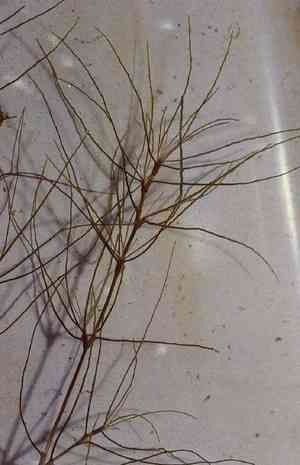
Known for its fine, filamentous leaves, southern naiad requires trimming in the initial part of spring or the latter part of winter to regulate its development and preserve its well-being. Strategic removal of excessively long or compromised stalks prevents congestion and stimulates fresh development. Aggressive cutting can aid in curbing its proliferation, simplifying its management within aquatic settings. Tending to this variety not only improves its visual charm but also fosters more vigorous and resilient growth.
What Are the Benefits of Pruning Southern Naiad?
What Are the Benefits of Pruning Southern Naiad?
Southern naiad thrives with trimming, which encourages robust development and helps maintain its form. Consistent pruning improves its overall look and manages its size, simplifying its care in aquatic settings.
What Is the Best Time for Pruning Southern Naiad?
What Is the Best Time for Pruning Southern Naiad?
Trimming southern naiad from late winter to early spring is advisable as this period coincides with the plant's dormant phase and initial growth cycle. During dormancy, the plant's metabolic activity is minimal, lessening the chance of stress and harm. Furthermore, this timing promotes strong regrowth as temperatures rise, optimizing the plant's health and output while minimizing disturbance during its active growth and flowering seasons.
What Tools Do I Need to Prune Southern Naiad?
Aquatic Plant Scissors
These scissors are specifically designed for trimming and shaping aquatic plants. Their extended handles and keen blades enable precise cuts, making them perfect for managing the dense, delicate growth of southern naiad.
Tweezers
Long, straight or curved tweezers are crucial for carefully removing unwanted growth or dead plant material from southern naiad without harming the surrounding healthy plants. They offer exact control in confined spaces.
Aquatic Plant Pruners
Featuring ergonomic handles and rust-resistant blades, aquatic plant pruners provide the necessary leverage and durability for routine upkeep of southern naiad. They are designed to cut through stems cleanly, preventing jagged edges that could lead to rot.
How to Prune Southern Naiad
Assess
Carefully inspect southern naiad to pinpoint diseased or withered leaves requiring removal. Look for indications of damage, discoloration, or decay.
Tools
Prepare clean, sharp pruning implements such as scissors or small shears to ensure precise cuts and prevent further harm to southern naiad.
Trimming
Gently remove diseased leaves by cutting them at their base, close to the main stem, avoiding cutting into healthy tissue.
Cleanup
Remove and discard the trimmed leaves away from southern naiad and its immediate vicinity to prevent potential disease spread.
Monitor
Regularly check southern naiad for any new signs of disease or wilting, and repeat the pruning process as needed to maintain plant vitality.
Common Pruning Mistakes with Southern Naiad
Improper timing
Trimming too early or too late can stress southern naiad and hinder its development.
Incorrect technique
Using dull or unclean tools can damage stems and introduce illness.
Over-pruning
Removing too much foliage can diminish the plant's capacity for photosynthesis, leading to stunted development.
Under-pruning
Not removing enough old or dead growth can impede new growth and encourage disease.
Failure to sanitize
Not disinfecting tools between uses can spread pathogens from one part of the plant to another.
Common Pruning Tips for Southern Naiad
Use sharp tools
Ensure pruners or scissors are sharp to make clean cuts and minimize damage.
Sanitize tools
Disinfect tools with rubbing alcohol or a bleach solution between each cut to prevent disease transmission.
Remove dead growth
Regularly cut away dead, damaged, or diseased stems to make room for healthy growth.
Thin overcrowded areas
Trim back excessive growth to improve air circulation around the plant, reducing the risk of mildew and mold.
Follow natural shape
Prune in a way that maintains the natural form of southern naiad, avoiding excessively linear or artificial shapes.


