How to Prune Changing forget-me-not?
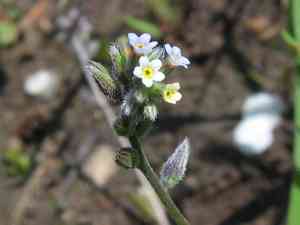
A fragile, biennial wild blossom, changing forget-me-not is recognized for its blossoms that shift in hue. Trimming methods involve removing spent flowers to stimulate ongoing blooming and shortening elongated stalks to foster denser development. The most effective time for pruning is from spring through autumn, coinciding with changing forget-me-not's flowering period. Pruning aids in preserving the plant's form, vigor, and flower yield. Particular attention should be paid to prevent excessive pruning, as changing forget-me-not thrives with a subtle strategy to support its restrained growth pattern.
What Are the Benefits of Pruning Changing Forget-me-not?
What Are the Benefits of Pruning Changing Forget-me-not?
Trimming changing forget-me-not promotes robust development and helps keep its desired form. Strategic cutting back eliminates crowded stems, allowing light and air to reach the plant's core, fostering healthy growth and preventing illness.
What Is the Best Time for Pruning Changing Forget-me-not?
What Is the Best Time for Pruning Changing Forget-me-not?
For changing forget-me-not, trimming should be scheduled to avoid disrupting its natural growth and blooming cycle. In spring, pruning can assist in shaping the plant and removing any dead or damaged sections that may have occurred over winter. This prepares for healthy new growth and aids in the plant's recovery after winter dormancy. In summer, light pruning is beneficial to encourage a bushier habit and may help extend the flowering period. Trimming in fall should be done carefully, focusing on removing spent blooms and any growth susceptible to winter damage. This helps changing forget-me-not maintain vigor and prevents potential disease issues as it prepares for winter dormancy. Optimal pruning during these seasons ensures the health of changing forget-me-not and promotes strong growth for the next season.
What Tools Do I Need to Prune Changing Forget-me-not?
Hand Pruners
Perfect for making precise cuts on changing forget-me-not, these instruments allow for targeted trimming without causing unnecessary harm to the plant's delicate structure.
Pruning Shears
Well-suited for removing spent flowers and trimming small stems on changing forget-me-not, ensuring a tidy look and encouraging continuous blooming.
Garden Scissors
Useful for snipping off faded blooms or shaping changing forget-me-not, providing accuracy and control, which is especially important given the plant's size.
How to Prune Changing Forget-me-not
Clean Tools
Sanitize pruning shears or scissors before beginning to prevent the spread of disease to changing forget-me-not.
Identify Parts
Inspect changing forget-me-not for shriveled leaves, focusing on parts that are brown, dry, and clearly dead material.
Cut Withered Leaves
Use the sanitized shears to snip the shriveled leaves at their base where they meet the stem, avoiding damage to healthy tissue.
Dispose
Remove the cut withered leaves from the area to prevent potential disease or pests from affecting changing forget-me-not.
Monitor Growth
Observe changing forget-me-not after pruning for new growth and overall health, ensuring it maintains a desirable shape and size.
Common Pruning Mistakes with Changing Forget-me-not
Over-Pruning
Removing too much foliage at once can stress changing forget-me-not, potentially leading to stunted growth or a reduction in flowering.
Pruning All Stems To The Same Height
Creating an unnatural shape that could impact the plant's aesthetics and potentially harm its health.
Cutting Into Old Wood
Older stems on changing forget-me-not may not sprout new growth readily; pruning into them can create bare spots.
Ignoring Diseased Or Dead Material
Failing to remove unhealthy parts of changing forget-me-not can allow disease to spread or result in a messy appearance.
Pruning For Size Control
Changing forget-me-not is a relatively small and manageable plant that generally does not require size reduction; doing so could impact its natural growth pattern.
Common Pruning Tips for Changing Forget-me-not
Selective Thinning
Remove only the necessary stems to avoid plant stress and encourage a more natural shape for changing forget-me-not.
Deadheading
Regular removal of spent flowers promotes further blooming and prevents changing forget-me-not from investing energy into seed production.
Prune For Plant Health
Trim away dead, damaged, or diseased foliage to maintain changing forget-me-not's vitality and appearance.
Light Touch
Use a gentle hand when pruning to maintain the delicate structure of changing forget-me-not, avoiding any harsh cuts or breaks in the foliage.
Tools Maintenance
Ensure pruning tools are clean and sharp to make precise cuts and reduce the risk of spreading diseases to changing forget-me-not.



