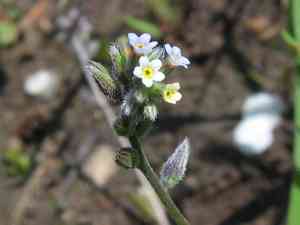
Changing forget-me-not (Myosotis discolor)
Also known as: Yellow and blue scorpiongrass, Changing scorpiongrass
The changing forget-me-not, also known as Myosotis discolor, derives its common name from the transformation in its flower colors. Initially cream-colored, the blooms shift to pink and eventually turn blue as they mature. This plant can be classified as both an annual and a perennial.
In This Article
Attributes of Changing forget-me-not
Lifespan
Annual, Perennial, Biennial
Plant Type
Herb
Plant Height
12 cm to 30 cm
Spread
Not typically defined for this herbaceous plant; it forms a loosely branched habit.
Leaf Color
Green
Flower Size
2 mm
Flower Color
White Yellow Blue
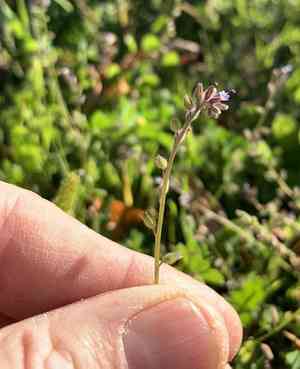
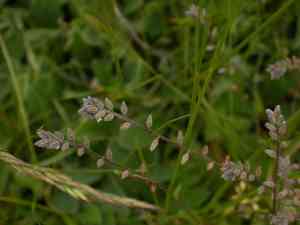
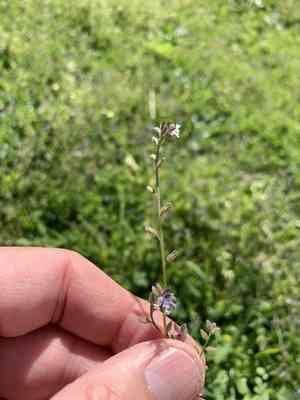
Images of Changing forget-me-not
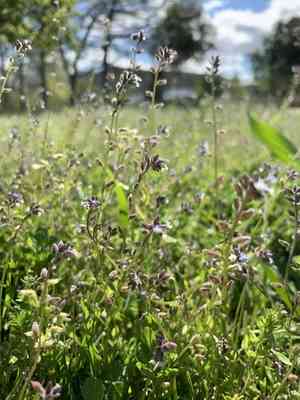
Quickly Identify Changing forget-me-not
1
Identify Myosotis discolor by its small and delicate flowers that initially appear yellow and gradually turn blue. Additionally, the plant\'s leaves are typically narrow and lance-shaped.
Scientific Classification of Changing forget-me-not
Phylum
Vascular plants
Class
Dicotyledons
Order
Boraginales
Family
Borage
Genus
Forget-me-nots
Species
Changing forget-me-not
Planting and Growing of Changing forget-me-not
Care Difficulty
Easy
Watering Schedule
Every 3 days
Sunlight Requirements
Partial sun
Sunshine Duration
8-12 hours
Ideal Temperature
65-75℉
Soil Type
Potting Mix, Peat Mix
Soil pH
6.5-7.5
Fertilizer Type
Balanced
Pruning Season
Spring, Summer
Pruning Area
Branches, Leaves
Pruning Frequency
2 times a year
Repotting Season
Spring
Pot Type
Plastic, Ceramic
 How to Water Changing forget-me-not?
For Myosotis discolor, the watering should ensure that the soil is moderately moist but never waterlogged. Use about 250 milliliters of water, enough to evenly moisten the soil but cease once water begins to escape from the drainage holes.
What are the symptoms of an underwatered Changing forget-me-not?
›
What should I do if my Changing forget-me-not is not getting enough water?
›
What are the symptoms of an overwatered Changing forget-me-not?
›
How to save an overwatered Changing forget-me-not?
›
 What Are the Sunlight Requirements for Changing forget-me-not?
Myosotis discolor prefers partial sun, transitioning from direct morning light to indirect afternoon light. This range supports lush growth, flowering, and overall vitality without stress.
More About Sunlight Requirements Techniques→
What is the ideal lighting condition for Myosotis discolor?
›
How can one ensure Myosotis discolor receives ideal lighting?
›
What are the benefits of ideal lighting for Myosotis discolor?
›
 What Is the Ideal Temperature Range for Changing forget-me-not?
The ideal temperature range for growing Myosotis discolor is between 65°F and 75°F. This temperature range supports optimal growth and flowering, ensuring that the plant receives the warmth needed during its growing season. These temperatures encourage robust health and vigor, helping the plant fight off diseases and pests effectively.
 What Soil is Best for Changing forget-me-not?
Myosotis discolor thrives in well-drained soil, which helps to prevent root rot by ensuring excess water doesn't accumulate around the roots. This condition is crucial for healthy growth and robust flowering. The plant benefits from nutrient-rich soil, which provides essential minerals and nutrients for growth. Adding organic matter or compost can enhance soil fertility and boost plant health. Maintaining moderate soil moisture ensures that the plant doesn't dry out or become waterlogged. Regular watering while allowing the topsoil to dry slightly is ideal for sustaining plant vigor.
 How to Fertilize Changing forget-me-not?
When fertilizing Myosotis discolor, use a balanced 10-10-10 liquid fertilizer at half strength. Apply about 250 ml of this diluted solution per plant. For solid fertilizers, use a slow-release granular formula applied sparingly to avoid nutrient burn—approximately 10 grams per plant annually.
 How to Prune Changing forget-me-not?
When pruning Myosotis discolor, also known as changing forget-me-not, begin by gently pinching back any spent blooms. This encourages the plant to produce more flowers. Use sterilized shears to remove any dead, diseased, or damaged stems. Focus on trimming areas that seem overcrowded to allow better air circulation. This can prevent fungal diseases and promote a healthy growth of new shoots. Aim for a clean cut just above a leaf node to foster more branching.
More About Pruning Techniques→
 How to Propagate Changing forget-me-not plant?
1
Fill the seed tray with a high-quality seed starting mix. The tray should be filled three-quarters full, tamp down gently, and moisten it with water from a spray bottle before sowing the seeds.
2
Scatter the seeds evenly across the surface of the soil in the tray. Cover them with a thin layer of seed starting mix. Press lightly to ensure good contact between the seeds and the soil surface.
3
Place the seed tray in a location with bright, indirect light. The temperature should be kept between 15-20°C (59-68°F). Keep the soil consistently moist using a spray bottle, avoiding direct watering.
 How to Repot Changing forget-me-not plant?
1
Repot Myosotis discolor when you notice roots protruding from the drainage holes, a slowed growth rate, or as the soil becomes too compacted and unable to retain water effectively. These signs indicate it's time for your plant to have more room to grow and thrive.
2
Choose a pot that is 1-2 inches larger in diameter than the current one. Ensure it has good drainage holes to prevent waterlogging. A slightly larger pot reduces the risk of overwatering while providing ample space for root expansion, promoting healthier growth.
3
Opt for a light, well-draining soil mix, ideally incorporating sand or perlite. This type of soil mimics the plant's natural habitat and helps prevent root rot by allowing excess moisture to escape easily, thereby providing the right balance of air and moisture around the roots.
Learn More About Changing forget-me-not Diseases
Anthracnose
Bacterial Leaf Spot
Bacterial Wilt
Chemical Injury
Damping-off
Downy Mildew
Drought Stress
Fusarium Wilt
Gray Mold
Leaf Curl
Leaf Spot
Mosaic
Nutrient Deficiency
Nutrient Toxicity
Powdery Mildew
Root Rot
Root-knot Nematode
Rusts
Sooty Mold
Spider Mites
Temperature Stress
Thrips Damage
White Mold



