How to Prune Asiatic dewflower?
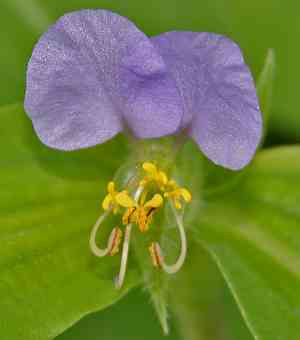
A prominent perennial featuring cascading stems and petite, azure blossoms, asiatic dewflower thrives with judicious trimming to preserve its visual appeal and well-being. Trim stems in late winter or early spring, excising any excessively long or compromised growth to foster thicker foliage and more abundant flowering. Consistent elimination of faded blooms deters seed dispersal and stimulates additional flowering. Trimming asiatic dewflower additionally aids in regulating its aggressive spreading, guaranteeing contained development and vigor.
What Are the Benefits of Pruning Asiatic Dewflower?
What Are the Benefits of Pruning Asiatic Dewflower?
Trimming asiatic dewflower encourages robust development, assists in maintaining its desired form, and improves its overall look. By consistently removing dead or surplus growth, asiatic dewflower stays healthy, becomes more disease-resistant, and its vitality is markedly enhanced, promoting a more controlled growth pattern.
What Is the Best Time for Pruning Asiatic Dewflower?
What Is the Best Time for Pruning Asiatic Dewflower?
Pruning or trimming asiatic dewflower in early spring or late winter is optimal as it coincides with the plant's dormant phase. During these periods, asiatic dewflower is not actively growing, which reduces stress and allows for better recovery of pruning wounds. Pruning before the active growth period in spring ensures healthier and more vigorous new growth. Additionally, cutting back asiatic dewflower just before its main growth phase helps manage its size and shape, preventing overgrowth that could impact flowering and general health.
What Tools Do I Need to Prune Asiatic Dewflower?
Hand Pruners
Perfect for precise, clean cuts on small stems and branches less than half an inch thick. These will help in removing dead or diseased parts without harming the rest of the plant.
Pruning Shears
Useful for trimming larger sections of the plant, providing clean cuts to encourage healthy regrowth. Choose bypass pruners for a clean cut or anvil pruners for cutting through tougher stems.
Horticultural Scissors
Ideal for delicate trimming tasks, allowing for fine, controlled cuts to shape and manage the plant's appearance.
Gloves
Essential for protecting hands from potential irritation or injury while handling plant material.
How to Prune Asiatic Dewflower
Assess
Examine the plant for any indications of diseased or withered leaves. Look for discoloration, spots, or dead tissues among the foliage.
Sanitize
Before trimming, disinfect your pruning shears with a solution of one part bleach to nine parts water to prevent the spread of disease.
Remove diseased leaves
Carefully trim off any diseased leaves using your sanitized shears. Make clean cuts close to the stem base, but avoid cutting into healthy tissue.
Remove withered leaves
Cut off withered or dead leaves by following the same technique. Ensure you cut them as close to the stem as possible without damaging upcoming new growth.
Dispose
Properly dispose of all trimmed leaves to prevent the potential spread of disease. Do not compost diseased plant material; discard it instead.
Common Pruning Mistakes with Asiatic Dewflower
Untimely Pruning
Pruning at the wrong time can stress asiatic dewflower and hinder its growth and flowering potential. Avoid heavy pruning during peak growing periods as it may lead to poor recovery.
Excessive Pruning
Removing too much foliage at once can weaken asiatic dewflower, making it more susceptible to pests and diseases. Over-pruning can also lead to loss of blooms.
Incorrect Cuts
Using dull or improper tools can cause ragged cuts that take longer to heal, inviting pathogens. Make clean, precise cuts to ensure the plant's healthy recovery.
Neglecting Sterilization
Failing to sterilize pruning tools can spread diseases between plants. Always sterilize tools before and after use to maintain plant health.
Common Pruning Tips for Asiatic Dewflower
Sterilize Tools
Always sterilize pruning tools with a solution of one part bleach to nine parts water before and after pruning to prevent the spread of diseases.
Use Sharp Tools
Use sharp, clean pruning shears to make clean cuts. This minimizes damage to asiatic dewflower and promotes quicker healing.
Selective Pruning
Only remove dead, damaged, or diseased stems and leaves. This helps asiatic dewflower direct its energy towards healthy growth and flowering.
Maintain Plant Shape
Prune to maintain the natural shape of asiatic dewflower. Avoid cutting too deeply into the plant, and aim to remove no more than one-third of its growth at a time.
Inspect Regularly
Regularly inspect asiatic dewflower for any signs of disease or pest infestation, and prune affected areas immediately to prevent spread.



