How to Prune Oak waxberry?
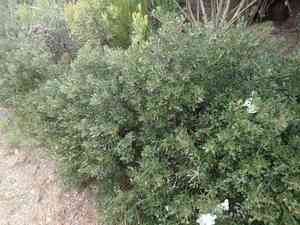
Oak waxberry is a resilient shrub recognized for its robust character and appealing leaves. Trim oak waxberry during the initial part of spring, prior to the emergence of new shoots. Concentrate on eliminating deceased or impaired branches to encourage more vigorous development. Shorten excessively long stems to preserve its form and foster air movement. Minor shaping during the cultivation period can assist in controlling its dimensions. Advantages encompass better visual appeal, increased ventilation, and a diminished chance of illness. Consult reputable gardening resources for precise methods.
What Are the Benefits of Pruning Oak Waxberry?
What Are the Benefits of Pruning Oak Waxberry?
Oak waxberry thrives with pruning, promoting vigorous growth and maintaining its form. Trimming helps manage size, boosts health, and enhances appearance. It also prevents disease and pest issues by removing dead or damaged branches, ensuring strong development.
What Is the Best Time for Pruning Oak Waxberry?
What Is the Best Time for Pruning Oak Waxberry?
Pruning oak waxberry in early spring leverages the plant's dormant state, minimizing stress and sap loss. Early spring trimming also allows for the removal of any winter-damaged or dead branches, fostering healthy new growth as the plant enters its active phase. This timing helps avoid disrupting oak waxberry's flowering and fruiting cycles, leading to better overall plant health and yield.
What Tools Do I Need to Prune Oak Waxberry?
Hand pruners
Perfect for small, precise cuts on young and slender branches, typically up to 1/2 inch thick. They enable accurate shaping and removal of dead or diseased parts without harming the plant.
Loppers
Useful for cutting medium-sized branches, typically up to 1-2 inches thick. Provides extra leverage to handle thicker, tougher branches that hand pruners cannot manage.
Pruning saw
Essential for cutting through larger, thicker branches (over 2 inches thick) that are too substantial for hand pruners or loppers. An ergonomic pruning saw will make the task easier and more accurate.
Bypass pruners
Preferred for live wood as they create clean cuts, promoting faster healing. This reduces the risk of disease and pest infestation.
Pole pruners
Helpful for reaching higher branches without needing a ladder, ensuring safety and convenience during pruning.
Hedge shears
Can be useful for maintaining overall shape and density, especially if oak waxberry is used as a hedge or informal screen.
How to Prune Oak Waxberry
Identify problem areas
Examine oak waxberry to locate diseased leaves, withered leaves, dead branches, and diseased branches that require pruning. Look for discoloration, spots, or any signs of decay.
Prepare tools
Ensure pruning shears or a saw are clean and sharp to make precise cuts on oak waxberry. Disinfect tools with alcohol to prevent disease spread.
Remove diseased leaves
Carefully cut off diseased leaves from oak waxberry at the base of the leaf stem, ensuring all affected parts are removed to prevent further infection.
Eliminate withered leaves
Trim withered leaves by cutting back to a healthy part of the plant. This encourages new growth and maintains oak waxberry's aesthetic appeal.
Prune dead and diseased branches
Cut dead and diseased branches back to the base or to a healthy part of oak waxberry. Use a clean, slanting cut to prevent water from accumulating on the wound.
Common Pruning Mistakes with Oak Waxberry
Incorrect pruning technique
Using an improper cutting method can damage oak waxberry's delicate branches, leading to poor healing and increased susceptibility to disease.
Pruning too much
Over-pruning can stress oak waxberry and reduce its ability to photosynthesize effectively, weakening the plant overall.
Ignoring dead or diseased wood
Failing to remove dead or diseased branches can spread infection to healthy parts of oak waxberry, compromising its vitality.
Improper tool use
Using dull or dirty pruning tools can cause jagged cuts that are difficult for oak waxberry to heal, inviting pests and diseases.
Common Pruning Tips for Oak Waxberry
Use clean, sharp tools
Ensure your pruning shears are sharp and sanitized to make clean cuts and minimize infection risk.
Remove dead or damaged branches first
Start by cutting away any dead, diseased, or damaged wood to prevent disease spread and improve oak waxberry's overall health.
Focus on shaping the plant
Aim to maintain a natural shape by selectively cutting back overstretched branches, which will encourage oak waxberry to grow in a more balanced form.
Prune with purpose
Each cut should have a reason, whether it's to enhance airflow, improve sunlight penetration, or remove overgrowth. Avoid random cutting.
Mind the branch collar
When removing a branch, cut just outside the branch collar (the swollen area where the branch meets the trunk) to aid in faster healing.
Moderation is key
Prune no more than one-third of the plant at a time to avoid undue stress and encourage steady growth.



