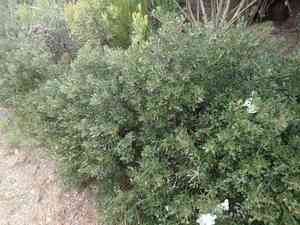
Oak waxberry (Morella quercifolia)
Also known as: Oakleaf Bayberry
The oak waxberry is a small shrub with stems that grow upright. It produces deep red or purple round fruits with a rough texture, similar to a lychee, that attract birds. The shrub is used to prevent erosion of sandy areas.
In This Article
Attributes of Oak waxberry
Lifespan
Perennial
Plant Type
Shrub
Plant Height
1.5 to 3 meters
Spread
Up to 2 meters
Leaf Color
Green in the growing season, bronze or reddish in the fall
Flower Size
Insignificant
Flower Color
Yellowish-green
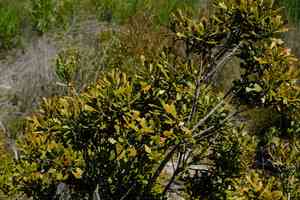
Images of Oak waxberry
Quickly Identify Oak waxberry
1
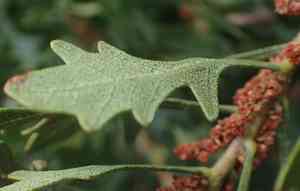
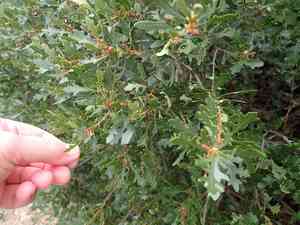
The plant can be identified by its distinctive, lobed leaves resembling those of an oak tree. It also has small, waxy berries and aromatic leaves when crushed.
Scientific Classification of Oak waxberry
Phylum
Vascular plants
Class
Dicotyledons
Order
Fagales
Family
Bayberry
Genus
Bayberry
Species
Oak waxberry
Planting and Growing of Oak waxberry
Care Difficulty
Moderate
Watering Schedule
Every 2 days
Sunlight Requirements
Full sun
Sunshine Duration
4-8 hours
Ideal Temperature
60-75℉
Soil Type
Potting Mix, Peat Mix
Soil pH
6.5-7.5
Fertilizer Type
Balanced
Pruning Season
Spring, Summer
Pruning Area
Branches, Leaves
Pruning Frequency
2 times a year
Repotting Season
Spring
Pot Type
Plastic, Ceramic
 How to Water Oak waxberry?
Morella quercifolia prefers a balanced approach to watering. Water this plant with approximately 250 milliliters each time, ensuring that the soil is evenly moist but not overly saturated. A deep soak that allows water to penetrate the soil thoroughly is ideal, reaching down to the root zone.
What are the symptoms of an underwatered Oak waxberry?
›
What should I do if my Oak waxberry is not getting enough water?
›
What are the symptoms of an overwatered Oak waxberry?
›
How to save an overwatered Oak waxberry?
›
 What Are the Sunlight Requirements for Oak waxberry?
Morella quercifolia prefers full to partial sunlight. Ideal lighting can stimulate healthy growth patterns and strengthen stems, improving the plant's overall beauty and resilience.
What is the best light condition?
›
How to achieve optimal light?
›
Benefits of ideal lighting?
›
 What Is the Ideal Temperature Range for Oak waxberry?
The ideal temperature range for Morella quercifolia lies between 60°F and 75°F. This range supports optimal metabolic processes, promoting healthy growth and development of the plant. Stable conditions within this range ensure the plant can photosynthesize effectively and maintain its physiological activities.
 What Soil is Best for Oak waxberry?
Morella quercifolia thrives in well-draining soil to prevent root rot and ensure optimal growth. This soil characteristic allows excess water to drain away efficiently, ensuring that the roots do not sit in waterlogged conditions, which could hinder their access to oxygen and nutrients. The plant prefers moderately fertile soil. This means the soil should have a balanced nutrient level, which promotes healthy foliage growth and supports the plant's overall vigor without overfeeding and causing nutrient imbalances. While drainage is important, the soil should also retain some moisture, preventing it from drying out too quickly. This balance ensures the plant consistently receives adequate water supply, crucial for maintaining turgor pressure in cells and promoting vigorous growth.
 How to Fertilize Oak waxberry?
For Morella quercifolia, apply liquid fertilizer at a 1:2 ratio with water, making sure not to exceed 250ml per application for young plants, and up to 500ml for mature ones. This ensures balanced nutrition without overwhelming the root system.
 How to Prune Oak waxberry?
Identify the natural growth pattern of Morella quercifolia. Pruning should aim to enhance its natural shape, focusing on removing dead, damaged, or crossing branches. Begin by removing any dead or diseased wood. Cut back to healthy tissue. Aim for a clean cut just above a leaf node to stimulate new growth. Trim to maintain a balanced shape, ensuring it is not too dense in the middle to allow air circulation. This reduces disease risk and promotes healthy foliage.
More About Pruning Techniques→
 How to Propagate Oak waxberry plant?
1
Soak the seeds in water for 24 hours to enhance germination. After soaking, place the seeds on a damp paper towel in a warm environment until they start to sprout.
2
Choose a healthy stem and cut a 4 to 6-inch piece. Remove the lower leaves and dip the cut end in rooting hormone to promote root development before planting it in soil.
3
Select a low branch that can be bent to the ground. Score the bark lightly, cover with soil, and secure with a pin. Once it roots, separate it from the parent plant.
 How to Repot Oak waxberry plant?
1
It's time to repot Morella quercifolia when you notice roots begin to circle the pot's perimeter or poke through drainage holes. A visible slowdown in growth and poor water absorption are also signs this plant needs a new home. Ensure you choose mild weather in spring or summer, avoiding extremely hot days.
2
Select a pot that is one to two inches larger in diameter than the current container. This size prevents overwatering, ensures roots are not too confined, and supports balanced growth. Make sure the pot has sufficient drainage holes to prevent root rot, which can be detrimental to the health of your Morella quercifolia.
3
Opt for a well-draining acidic potting mix to mimic Morella quercifolia's natural habitat. This type of soil ensures roots receive adequate air circulation and prevents waterlogging, an essential factor for maintaining healthy root systems. The right soil mix also supports healthy nutrient uptake and sustained growth.



