How to Prune Common monolopia?
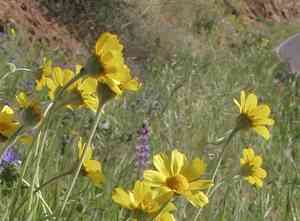
Monolopia, a unique annual plant, is recognized by its vibrant yellow blossoms and slender foliage. Trim monolopia following its blooming phase, from late spring to early summer, by eliminating faded flowers and any compromised or lifeless stalks. Nevertheless, minor upkeep trimming can persist into autumn. Consistent pruning fosters more robust development and boosts flowering in the subsequent season. Refrain from extensive pruning during autumn or winter, as this may cause duress to the plant.
What Are the Benefits of Pruning Common Monolopia?
What Are the Benefits of Pruning Common Monolopia?
Trimming common monolopia encourages robust development and assists in maintaining a desired form. It eliminates dead or diseased branches, boosting disease resistance and enabling better air circulation. Regular trimming fosters healthier blooms and a more pleasing look.
What Is the Best Time for Pruning Common Monolopia?
What Is the Best Time for Pruning Common Monolopia?
Trimming common monolopia in Spring, Summer, and Fall is ideal due to its growth pattern, which includes active vegetative and flowering stages during these periods. Pruning during these seasons helps stimulate healthy growth and promotes better flowering. Additionally, it allows the plant to recover well before winter, avoiding the stress of pruning during dormancy or harsh weather conditions.
What Tools Do I Need to Prune Common Monolopia?
Hand Pruners
Hand pruners are perfect for common monolopia as they enable accurate cuts, which is crucial given the plant's delicate stem structure.
Pruning Shears
Pruning shears are useful for cutting larger sections of common monolopia without harming the plant.
Bypass Pruners
Bypass pruners are suitable for common monolopia as they create clean cuts on live wood, promoting healthier regrowth.
Snips
Snips are excellent for intricate pruning tasks required by common monolopia due to their small size and precise cutting ability.
Pruning Knife
A pruning knife can be useful for making fine, detailed cuts and removing small sections without damaging common monolopia.
How to Prune Common Monolopia
Inspect
Carefully examine common monolopia to find any withered leaves that need to be removed. Look around the base and the outer parts of the plant for damaged or unhealthy foliage.
Disinfect
Prepare your pruning tools by sanitizing them with a solution of one part bleach to nine parts water. This helps prevent the spread of any potential diseases.
Cut
Using sharp pruning shears, trim away the withered leaves at their base, close to where they are attached to the stem. Make a clean cut to avoid leaving jagged edges that could invite disease.
Dispose
Properly discard the removed leaves by placing them in a trash bag. Do not compost these leaves if they show signs of disease to prevent contamination.
Monitor
Regularly check common monolopia for new signs of wilting or disease. Repeating this inspection every few weeks helps maintain the plant's overall health and appearance.
Common Pruning Mistakes with Common Monolopia
Improper technique
Using dull or incorrect tools can lead to ragged cuts, increasing the risk of infection and stressing the plant.
Over-pruning
Removing too much foliage at once can weaken common monolopia, reducing its ability to photosynthesize and recover.
Poor timing
Pruning during unfavorable conditions, such as extreme temperatures, can stress common monolopia and impede its growth.
Common Pruning Tips for Common Monolopia
Sharp tools
Always use sharp, sterilized tools to make clean cuts. This minimizes damage and reduces the risk of disease.
Moderation
Prune conservatively, removing no more than 20-30% of the plant's growth at one time to ensure it remains healthy and resilient.
Technique
Make precise cuts just above a node or bud, angling the cut away from the bud to encourage proper growth and prevent water accumulation.



