
Common monolopia (Monolopia lanceolata)
Also known as: None known
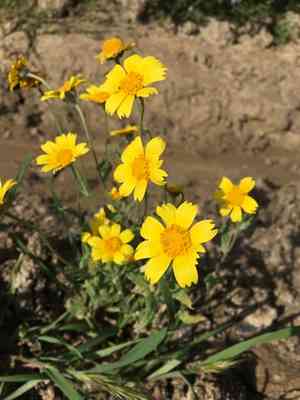
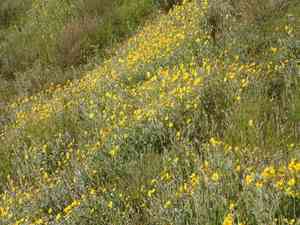
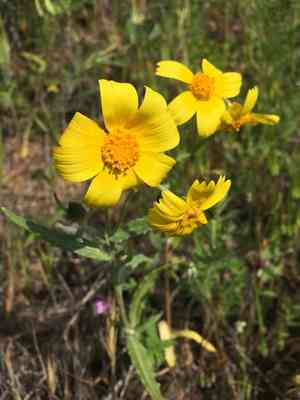
The plant you're referring to is likely the "Common Monolopia" (Monolopia lanceolata). This spring-blooming annual belongs to the sunflower family and flourishes in sunlit areas. It features narrow, lance-shaped leaves and distinctive solitary yellow flower heads, with a central disc surrounded by ray flowers. Common Monolopia is typically found in wildflower meadows across California, thriving in open, well-drained soils and heralding the onset of spring with its bright yellow blooms.
In This Article
Attributes of Common monolopia
Lifespan
Annual
Plant Type
Herb
Plant Height
20-50 cm
Spread
Varies, typically around 30 cm
Leaf Color
Green
Flower Size
2-3 cm
Flower Color
Bright yellow
Images of Common monolopia
Quickly Identify Common monolopia
1
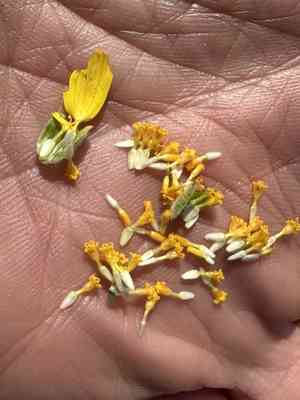
Monolopia lanceolata can be identified by its bright yellow daisy-like flowers and lance-shaped leaves. The plant typically grows low to the ground with branched stems.
Scientific Classification of Common monolopia
Phylum
Vascular plants
Class
Dicotyledons
Order
Asterales
Family
Daisy
Genus
Monolopia
Species
Common monolopia
Planting and Growing of Common monolopia
Care Difficulty
Moderate
Watering Schedule
Every 3 days
Sunlight Requirements
Full sun
Sunshine Duration
4-10 hours
Ideal Temperature
68-77℉
Soil Type
Potting Mix, Peat Mix
Soil pH
6.5-7.5
Fertilizer Type
Balanced
Pruning Season
Spring, Summer
Pruning Area
Branches, Leaves
Pruning Frequency
2 times a year
Repotting Season
Spring
Pot Type
Plastic, Ceramic
 How to Water Common monolopia?
When watering Monolopia lanceolata, aim to saturate the soil with approximately 200ml of water. This amount ensures that the roots receive adequate moisture without oversaturating the soil, which can lead to root rot. Water until the soil is evenly moist, but not soggy.
What are the symptoms of an underwatered Common monolopia?
›
What should I do if my Common monolopia is not getting enough water?
›
What are the symptoms of an overwatered Common monolopia?
›
How to save an overwatered Common monolopia?
›
 What Are the Sunlight Requirements for Common monolopia?
The ideal exposure for Monolopia lanceolata is full sun, detailing the necessity of about 7 to 10 hours a day, which ensures vibrancy and sustainable growth throughout the season.
What are the ideal lighting conditions for Monolopia lanceolata?
›
How can you ensure Monolopia lanceolata receives ideal light?
›
What benefits does ideal lighting bring to Monolopia lanceolata?
›
 What Is the Ideal Temperature Range for Common monolopia?
For Monolopia lanceolata, the ideal temperature range for healthy growth is between 68°F and 77°F. This ensures that the metabolic processes within the plant function optimally, allowing for robust growth and flowering.
 What Soil is Best for Common monolopia?
Monolopia lanceolata requires well-draining soil to prevent root rot and ensure the roots receive ample oxygen. This type of soil helps in maintaining plant health and vigor. This plant benefits from nutrient-rich soil that can provide essential minerals and nutrients, promoting strong growth and vibrant blooms. While Monolopia lanceolata prefers not to be waterlogged, a moderately moist environment helps maintain consistent moisture levels without suffocation.
 How to Fertilize Common monolopia?
For Monolopia lanceolata, it's essential to use a balanced fertilizer. Typically, using a 10-10-10 NPK ratio is recommended. If using liquid fertilizers, dilute them to half strength to prevent nutrient overload, using about 1-2 teaspoons per gallon of water during active growth phases.
 How to Prune Common monolopia?
Use sharp and sterilized pruning shears to avoid infection. Start by removing any dead or yellowing leaves, followed by any stems that appear weak or overcrowded. Cut back to the base of the plant to encourage new shoots and prevent legginess. To maintain an aesthetically pleasing shape, trim back any errant branches that disrupt the plant's symmetry. This often means cutting stems back by one-third, always cutting just above a leaf node to encourage denser growth.
More About Pruning Techniques→
 How to Propagate Common monolopia plant?
1
Harvest seeds from mature Monolopia lanceolata plants once the flower heads have dried. Make sure to select seeds that are well-formed and free from any damage or disease for optimal propagation results.
2
Prepare a seed-starting mix with good drainage. Moisten the soil slightly before sowing. Use a tray or small pots filled two-thirds of the way, ensuring there is space for growth and nutrient absorption.
3
Sow seeds sparingly on the prepared soil surface and lightly cover them with a thin layer of soil or vermiculite. This protects the seeds from light exposure while allowing moisture retention.
 How to Repot Common monolopia plant?
1
Monolopia lanceolata shows it's time to repot when it outgrows its current pot, roots start creeping out of drainage holes, or it appears stressed with stunted growth. Observing these signs usually indicates the need for fresh space and nutrients.
2
Opt for a pot that's only one size bigger to prevent excessive soil moisture retention, which can harm this sensitive plant. Ensure it has ample drainage holes to support the sandy soil's quick-drying properties, helping prevent root rot while promoting healthy growth.
3
Choose a well-draining, sandy soil mix. This type of soil prevents waterlogging and mimics the plant's natural environment, allowing roots to breathe and reducing the risk of fungal diseases. The loose structure aids in easy root expansion, promoting robust plant health.
Learn More About Common monolopia Diseases
Anthracnose
Bacterial Leaf Spot
Bacterial Soft Rot
Bacterial Wilt
Black Spot
Chemical Injury
Crown Gall
Cyst Nematode
Damping-off
Downy Mildew
Drought Stress
Fusarium Wilt
Gray Mold
Leaf Spot
Mosaic
Nutrient Deficiency
Nutrient Toxicity
Powdery Mildew
Root Rot
Root-knot Nematode
Rusts
Sooty Mold
Spider Mites
Temperature Stress
Thrips Damage
White Mold



