How to Prune Curlyleaf monardella?
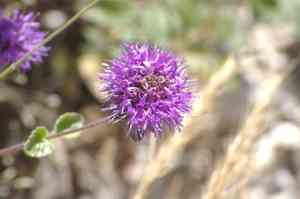
Monardella undulata is recognized for its fragrant foliage and vivid blossoms. Perform trimming in late winter or early spring prior to the emergence of new shoots. Eliminate any deceased or compromised stalks and reduce the plant by approximately one-third to foster denser development and increased flowering. Consistent trimming aids in preserving its form and preventing sparse growth. Always employ sanitized, keen implements to avert illness. Pruning contributes to improved air movement and light access, thereby boosting the plant's general well-being.
What Are the Benefits of Pruning Curlyleaf Monardella?
What Are the Benefits of Pruning Curlyleaf Monardella?
Pruning Curlyleaf monardella promotes vigorous growth and helps maintain its desired form. This practice not only improves its appearance but also aids in managing its size, ensuring robust development and abundant blooms. Regular trimming fosters a strong, pest-resistant plant.
What Is the Best Time for Pruning Curlyleaf Monardella?
What Is the Best Time for Pruning Curlyleaf Monardella?
Trimming or pruning Curlyleaf monardella is best done in early spring and late winter. These periods coincide with the plant's dormancy and precede its active growth. Pruning in late winter allows for the removal of dead or damaged branches without disrupting its growth cycle, leading to healthier, stronger new growth in spring. Early spring pruning helps shape the plant as it begins new growth, maintaining its form and potentially boosting flowering. This timing reduces plant stress and maximizes its health and bloom potential.
What Tools Do I Need to Prune Curlyleaf Monardella?
Hand Pruners
These are perfect for precise cuts on small stems and branches, ideal for shaping Curlyleaf monardella and removing dead or damaged foliage.
Bypass Pruners
Valued for their clean-cutting action, they are excellent for live stems, preventing tissue damage and maintaining the overall health of Curlyleaf monardella.
Hedge Shears
Useful for trimming larger sections of growth when Curlyleaf monardella becomes overgrown. They help keep a neat appearance and can manage the plant's foliage volume.
Pruning Saw
Rarely needed but helpful for any unexpectedly large branches or stems that require more force than pruners or shears can provide.
How to Prune Curlyleaf Monardella
Inspect
Check Curlyleaf monardella for any diseased or withered leaves. Early identification ensures effective pruning.
Tools
Use sharp, sterilized pruning shears to prevent disease spread and make clean cuts.
Remove Diseased Leaves
Carefully cut off diseased leaves at their base where they meet healthy tissue. Dispose of these leaves away from your garden to prevent disease spread.
Remove Withered Leaves
Trim withered leaves back to where healthy foliage begins. This encourages new growth and improves Curlyleaf monardella's appearance and health.
Disposal and Cleaning
Properly discard all removed plant material and thoroughly sanitize your tools after use to maintain plant health.
Common Pruning Mistakes with Curlyleaf Monardella
Excessive pruning
Over-trimming can weaken plants, reducing their ability to photosynthesize and potentially causing stress.
Improper technique
Using dull or dirty tools can create jagged cuts, increasing the risk of disease and pest infestations.
Neglecting to thin
Failure to thin dense foliage can impede air circulation, leading to increased susceptibility to fungal issues.
Removing wrong parts
Accidentally cutting off flower buds or new growth can compromise the plant's blooming potential.
Common Pruning Tips for Curlyleaf Monardella
Use sharp and clean tools
Always use sharp, sterilized pruning shears for clean cuts, minimizing damage and preventing disease spread.
Prune for shape
Maintain a natural shape by focusing on enhancing the plant's structure rather than drastically altering its form.
Focus on dead or damaged stems
Remove dead, damaged, or diseased stems first to improve overall plant health and redirect energy to healthy growth.
Thin out crowded areas
Thin out congested growth to boost airflow and reduce the chances of fungal diseases while promoting robust flowering.
Prune selectively
Prune selectively to maintain balance and encourage new growth without overburdening the plant.



