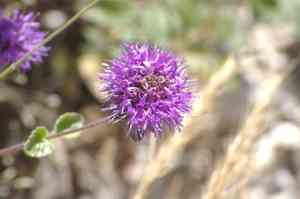
Curlyleaf monardella (Monardella undulata)
Also known as: San luis obispo monardella
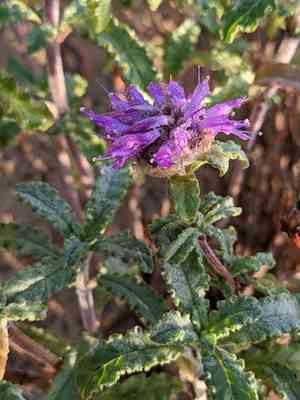
The plant in question appears to be the curlyleaf monardella. This plant features wavy-edged leaves reminiscent of ocean waves and is native to chaparral habitats. It prefers well-drained soils and produces clusters of purple flowers on thin stems. These blooms emit a mild fragrance that attracts pollinators. Adapted to dry climates, curlyleaf monardella flourishes in sunny conditions.
In This Article
Attributes of Curlyleaf monardella
Lifespan
Perennial
Plant Type
Herb
Plant Height
20 - 50 cm
Spread
20 - 30 cm
Leaf Color
Green
Flower Size
1 - 2 cm
Flower Color
Pink to purple
Images of Curlyleaf monardella
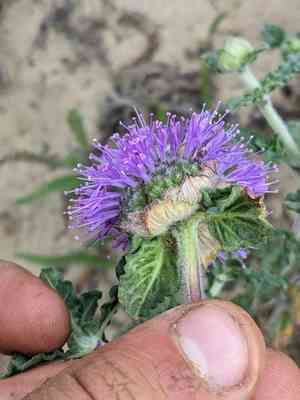
Quickly Identify Curlyleaf monardella
1
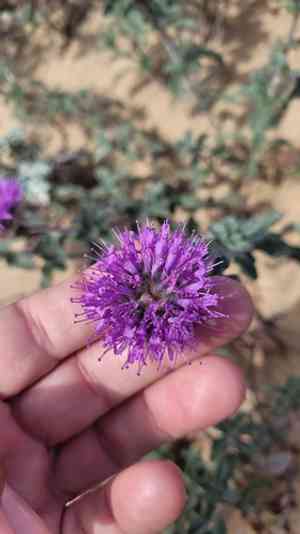
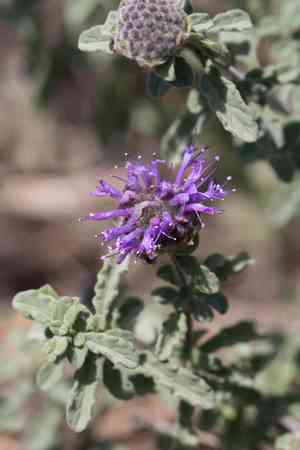
Monardella undulata can be identified by its undulating (wavy) leaves, aromatic scent when crushed, and its tubular, pink to purple flowers.
Scientific Classification of Curlyleaf monardella
Phylum
Vascular plants
Class
Dicotyledons
Order
Lamiales
Family
Mint
Genus
Coyote mintrg
Species
Curlyleaf monardella
Planting and Growing of Curlyleaf monardella
Care Difficulty
Moderate
Watering Schedule
Every 4 days
Sunlight Requirements
Full sun
Sunshine Duration
6-10 hours
Ideal Temperature
65-75℉
Soil Type
Potting Mix, Peat Mix
Soil pH
6.5-7.5
Fertilizer Type
Balanced
Pruning Season
Spring, Summer
Pruning Area
Branches, Leaves
Pruning Frequency
2 times a year
Repotting Season
Spring
Pot Type
Terracotta, Plastic
 How to Water Curlyleaf monardella?
Monardella undulata requires a moderate amount of water, around 250 ml per watering session. This ensures the soil is moist but not soggy, mimicking its natural habitat which has periodic rains but well-draining soil. Ensure the top inch of soil is dry between waterings.
What are the symptoms of an underwatered Curlyleaf monardella?
›
What should I do if my Curlyleaf monardella is not getting enough water?
›
What are the symptoms of an overwatered Curlyleaf monardella?
›
How to save an overwatered Curlyleaf monardella?
›
 What Are the Sunlight Requirements for Curlyleaf monardella?
Monardella undulata flourishes in full sun or partial sun, receiving 6 to 8 hours of light. This range supports optimal photosynthesis, ensuring vibrant blooms and strong plant structure.
What amount of sunlight does Monardella undulata prefer?
›
How can I achieve the ideal lighting conditions for Monardella undulata?
›
What benefits does Monardella undulata experience when exposed to ideal lighting?
›
 What Is the Ideal Temperature Range for Curlyleaf monardella?
Monardella undulata thrives best in a temperature range of 65°F to 75°F, which allows optimal growth and flower production. Maintaining temperatures within this range supports strong root development and a healthy, vigorous plant.
 What Soil is Best for Curlyleaf monardella?
Monardella undulata thrives in soil that drains well. This helps prevent root rot, a common problem with waterlogged conditions, and ensures healthy plant growth. For optimal growth, Monardella undulata prefers soil that is rich in organic matter. This ensures that the plant receives a balanced supply of essential nutrients. A slightly alkaline soil pH of 6.5 to 7.5 is ideal for Monardella undulata. This pH range allows for efficient nutrient uptake, leading to robust growth and vibrant bloom.
 How to Fertilize Curlyleaf monardella?
The ideal amount of fertilizer for Monardella undulata is about half the recommended strength on the fertilizer package. Applying a balanced 10-10-10 NPK fertilizer ensures that all essential nutrients are provided without overwhelming the plant. Make sure not to exceed this amount to prevent any harm to the roots and foliage.
 How to Prune Curlyleaf monardella?
Start by identifying dead or unhealthy stems and trim them at the base. Next, focus on shaping the plant by cutting back straggly growth to maintain a compact form. Use clean, sharp shears to make precise cuts just above a leaf node, which encourages new growth.
More About Pruning Techniques→
 How to Propagate Curlyleaf monardella plant?
1
Start by collecting seeds from an established Monardella undulata plant. Clean and dry the seeds before sowing them in a tray filled with a seed-starting mix. Gently press the seeds into the soil without burying them too deep, to ensure good sunlight exposure.
2
Select healthy stems from the existing plant and cut a section about 3-5 inches long. Remove the lower leaves to expose nodes and dip the cut end in rooting hormone to encourage root development before planting in a well-draining medium.
3
Once seeds or cuttings are planted, mist them lightly with water to keep the soil moist but not soggy. Place the containers in a location that gets indirect sunlight and maintains warm temperatures for optimal growth.
 How to Repot Curlyleaf monardella plant?
1
For Monardella undulata, repotting is ideal when you notice the roots growing through drainage holes or the plant becoming root-bound. Another sign is the plant's growth slowing down despite regular care. Spring and autumn are the best seasons to repot as the plant is either emerging from dormancy or preparing for it.
2
Select a pot that is 1-2 inches larger in diameter than the current one. Ensure it has sufficient drainage holes to prevent waterlogging, which can be harmful to Monardella undulata. A pot made from breathable materials like terracotta can help in maintaining proper soil moisture levels.
3
Opt for a well-draining potting mix that can mimic the plant's natural habitat. This type of soil prevents root rot by allowing excess water to escape, while retaining enough moisture and nutrients to support the plant's growth. A mix with perlite or sand is ideal.
Learn More About Curlyleaf monardella Diseases
Anthracnose
Bacterial Leaf Spot
Bacterial Soft Rot
Bacterial Wilt
Crown Gall
Cyst Nematode
Damping-off
Downy Mildew
Fusarium Wilt
Gray Mold
Leaf Curl
Leaf Spot
Mosaic
Powdery Mildew
Root Rot
Root-knot Nematode
Rusts
Sooty Mold
White Mold
Chemical Injury
Drought Stress
Nutrient Deficiency
Nutrient Toxicity
Temperature Stress
Spider Mites
Thrips Damage



