How to Prune Coastal miterwort?
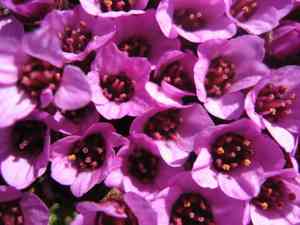
The coastal miterwort is characterized by its unique toothed foliage and fragile white blossoms. Trimming is best performed in late winter or early spring, prior to the emergence of new shoots. Eliminate any deceased or compromised stalks and reduce dense sections to enhance air movement. Avoid excessive pruning, as this species exhibits a gradual development pace. Pruning stimulates more vibrant leaves and a stronger bloom. Always utilize sanitized implements to avert illness.
What Are the Advantages of Trimming Coastal Miterwort?
What Are the Advantages of Trimming Coastal Miterwort?
Coastal miterwort thrives with trimming, promoting robust growth and maintaining its form. Pruning helps manage its size, encourages healthy development, and improves its overall look.
When Is the Optimal Time for Trimming Coastal Miterwort?
When Is the Optimal Time for Trimming Coastal Miterwort?
Trimming coastal miterwort in early spring or late winter is ideal due to several factors related to its growth cycle and health. During these periods, coastal miterwort is typically dormant or nearly dormant, which minimizes stress and potential harm to the plant. Pruning before the active growth phase ensures vigorous new growth and avoids the unnecessary removal of fresh buds or flowers. Additionally, trimming in late winter or early spring enhances air circulation and light penetration, reducing the risk of disease and pest infestations. Overall, these times align well with coastal miterwort's natural growth rhythm, leading to a more resilient and healthy plant.
What Equipment Do I Need to Trim Coastal Miterwort?
Bypass Pruners
Perfect for precise cuts as they deliver clean snips without harming delicate stems, which is crucial for coastal miterwort.
Hand Shears
Useful for snipping small stems and preserving the shape of coastal miterwort, ensuring vigorous growth.
Snips
Excellent for deadheading and removing spent blossoms to encourage more robust growth in coastal miterwort.
Pruning Knife
Helpful for making fine adjustments and removing any damaged parts of coastal miterwort without causing undue stress to the plant.
How to Trim Coastal Miterwort
Inspection
Start by thoroughly examining coastal miterwort to identify any diseased or withered leaves. Be sure to check both the top and bottom surfaces of the leaves.
Tools
Choose clean, sharp pruning shears to ensure precise cuts and minimize plant damage. If possible, sanitize the tools before use to prevent disease spread.
Remove Diseased Leaves
Prioritize removing diseased leaves first. Make a clean cut at the base of the affected leaf stalk. Aim to cut into healthy tissue to fully eliminate the diseased portion.
Remove Withered Leaves
Next, remove all withered leaves. Cut these close to the base as well, ensuring you remove the entire leaf to prevent it from affecting healthy parts of coastal miterwort.
Disposal
Safely discard the removed leaves in a way that prevents the spread of any potential diseases. Avoid composting these leaves if they are diseased; instead, consider bagging and disposing of them.
Common Trimming Errors with Coastal Miterwort
Improper technique
Using dull or dirty trimming tools can result in jagged cuts that invite disease and pests. Firmly holding and cleanly cutting stems ensures better healing.
Poor trimming angle
Cutting at an incorrect angle can cause water to pool on the cut surface, leading to rot. Always cut at a slight angle to allow water to drain off.
Over-trimming
Removing too much foliage reduces the plant's ability to photosynthesize, potentially weakening coastal miterwort. It's crucial to leave enough foliage for the plant's energy production.
Under-trimming
Neglecting to trim can lead to overcrowded growth, which may impede air circulation and encourage disease. Balanced trimming promotes healthier growth.
General Trimming Advice for Coastal Miterwort
Sharp clean tools
Always use sharp and clean tools to ensure smooth cuts and minimize disease risk. Sterilize tools before and after use.
Small cuts
Make small, deliberate cuts rather than large ones. This reduces plant stress and prevents shock.
Remove damaged areas
Regularly remove any dead, diseased, or damaged stems and leaves to prevent disease spread and promote overall plant health.
Open up center
Trim selectively to open up the plant's center. This enhances air circulation and light penetration, which can improve growth and flowering.
Observe structure
Pay attention to the plantâs natural structure and growth pattern. Follow its natural form for aesthetic appeal and optimal health.
Consistency
Trim regularly rather than sporadically. Consistent maintenance helps the plant stay healthy and avoids drastic measures later.



