
Coastal miterwort (Mitella ovalis)
Also known as: Oval-leaved Mitrewort
Coastal miterwort is a small perennial herb characterized by its soft, oval leaves forming a basal rosette. During late spring to early summer, it produces slender stems adorned with clusters of tiny, star-like white or pale pink flowers that delicately rise above the foliage. This plant flourishes in moist, shaded woodland settings, adding subtle beauty to the understory and aiding local pollinators.
In This Article
Attributes of Coastal miterwort
Lifespan
Perennial
Plant Height
Approximately 10 to 20 cm
Spread
N/A (Herbaceous plant)
Leaf Color
Green
Flower Size
Approximately 0.5 cm
Flower Color
White
Images of Coastal miterwort
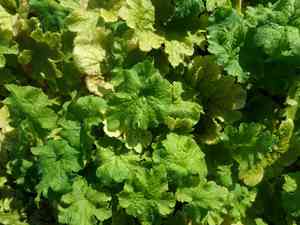
Quickly Identify Coastal miterwort
1
Look for its distinctive oval-shaped leaves and small, star-shaped white flowers. The plant flowers in early spring and has a creeping growth habit.
Scientific Classification of Coastal miterwort
Phylum
Vascular plants
Class
Dicotyledons
Order
Saxifragales
Family
Saxifrage
Genus
Miterworts
Species
Coastal miterwort
Planting and Growing of Coastal miterwort
Care Difficulty
Easy
Watering Schedule
Every 3 days
Sunlight Requirements
Partial sun
Sunshine Duration
4-8 hours
Ideal Temperature
60-75℉
Soil Type
Potting Mix, Peat Mix
Soil pH
6.5-7.5
Fertilizer Type
Balanced
Pruning Season
Spring, Summer
Pruning Area
Branches, Leaves
Pruning Frequency
2 times a year
Repotting Season
Spring
Pot Type
Plastic, Ceramic
 How to Water Coastal miterwort?
Mitella ovalis prefers moderate watering with around 150 ml each time. It's essential to ensure the soil dries on the surface between waterings while remaining slightly moist deeper down, mimicking its natural habitat of moist, shaded areas.
What are the symptoms of an underwatered Coastal miterwort?
›
What should I do if my Coastal miterwort is not getting enough water?
›
What are the symptoms of an overwatered Coastal miterwort?
›
How to save an overwatered Coastal miterwort?
›
 What Are the Sunlight Requirements for Coastal miterwort?
Mitella ovalis prefers environments with partial to full shade. Ideal lighting ensures balanced growth, maintaining the plant's lush foliage and preventing stress-induced symptoms.
How much sunlight does Mitella ovalis ideally need?
›
How can you provide the ideal lighting conditions?
›
What are the benefits of ensuring ideal lighting for Mitella ovalis?
›
 What Is the Ideal Temperature Range for Coastal miterwort?
The ideal growth temperature range for Mitella ovalis is between 60°F and 75°F. In this temperature range, the plant can photosynthesize effectively, maintaining its metabolism and water balance for optimal health and growth. Ensuring stable temperatures within this range can help maximize growth and minimize stress.
 What Soil is Best for Coastal miterwort?
Mitella ovalis thrives in well-drained soil, which prevents root rot by allowing excess water to travel away from the roots efficiently. This helps maintain healthy roots and ensures the plant receives the right amount of oxygen it needs to grow. A soil rich in organic matter helps Mitella ovalis flourish, as it provides essential nutrients that bolster growth and improve soil structure. This nutrient-rich base supports vigorous plant development and enhances resilience against pests and diseases. Mitella ovalis prefers soil that retains moderate moisture, meaning it should neither be too dry nor waterlogged. Consistent moisture levels support photosynthetic activity and facilitate nutrient uptake, leading to healthier and more vibrant plants.
 How to Fertilize Coastal miterwort?
For Mitella ovalis, an appropriate amount of fertilizer is essential. Use a balanced liquid fertilizer diluted to half strength. Apply about 250 ml per application to avoid over-fertilization. Ensure that the soil is already moist to prevent root burn.
 How to Prune Coastal miterwort?
Look for wilted or overgrown stems on Mitella ovalis, typically located in dense growth areas. Prune these stems to promote better air circulation and light penetration, essential for healthy foliage growth. Make cuts at a 45-degree angle facing away from buds to prevent water accumulation on the cut surface. This technique helps in quicker healing and reduces the risk of disease entering the plant. Aim for balanced pruning, ensuring that your Mitella ovalis looks aesthetically pleasing and grows evenly. Uneven growth can weaken structural integrity, focusing energy where it’s most needed.
More About Pruning Techniques→
 How to Propagate Coastal miterwort plant?
1
Start by collecting seeds from mature Mitella ovalis plants. Clean the seeds and allow them to dry. Fill seed trays with a quality seed-starting mix, sow the seeds on top, and cover lightly with soil.
2
In early spring, choose a mature plant and dig it out carefully using a garden trowel. Gently separate the plant into smaller clumps, ensuring each section has a healthy root system, and replant immediately.
3
After planting seeds or divisions, water the soil thoroughly but avoid making it soggy. Maintain consistent moisture to encourage root development and monitor regularly for signs of drying out.
 How to Repot Coastal miterwort plant?
1
Mitella ovalis should be repotted when its roots begin to outgrow the current pot, typically evident if roots appear from the drainage holes or if the plant's growth becomes stunted. Ideally, repotting occurs in the spring to give the plant ample time to establish in its new container during the growing season.
2
Select a pot that is 1-2 inches larger in diameter than the current one to allow for root growth. Opt for containers with drainage holes to prevent waterlogging, which can be detrimental to the roots. A breathable pot material, such as terracotta, is favored for promoting healthy root aeration, ensuring robust plant health.
3
Mitella ovalis thrives in moist, well-draining soil. Use a high-quality potting mixture rich in organic matter to retain sufficient moisture while supporting adequate drainage. Such soil structure helps prevent root rot, a common issue with dense, water-retentive soils.
Learn More About Coastal miterwort Diseases
Anthracnose
Bacterial Leaf Spot
Bacterial Soft Rot
Bacterial Wilt
Chemical Injury
Damping-off
Downy Mildew
Drought Stress
Fusarium Wilt
Gray Mold
Leaf Spot
Mosaic
Nutrient Deficiency
Nutrient Toxicity
Powdery Mildew
Root Rot
Root-knot Nematode
Rusts
Sooty Mold
Spider Mites
Temperature Stress
Thrips Damage
White Mold



