How to Prune White four o'clock?
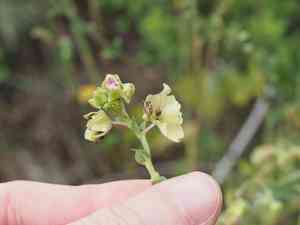
For Mirabilis jalapa, a prominent nocturnal perennial featuring aromatic white blossoms, judicious trimming fosters vigorous development and floral production. Conduct pruning in the spring when fresh sprouts appear, excising any lifeless or compromised stalks to encourage sound maturation. Throughout the summer, routinely remove faded flowers to preserve visual appeal and incite additional blossoming. Utilize precise, sharp cuts to avert illness. Pruning not only sculpts the plant and controls its dimensions but also elevates the general health of Mirabilis jalapa.
Advantages of Trimming White Four O'clock
Advantages of Trimming White Four O'clock
Trimming white four o'clock promotes robust development and preserves the plant's structure. It enables the removal of dead or weak foliage, fostering stronger stems and a tidy appearance, crucial for both beauty and health.
Optimal Period for Trimming White Four O'clock
Optimal Period for Trimming White Four O'clock
The ideal time for trimming white four o'clock coincides with its active growth period, spanning from spring through summer. Pruning in late spring allows for the removal of any winter frost damage and shapes the plant as it enters its vigorous growth cycle. Early summer trimming is suitable for maintaining the plant's form and encouraging a bushier habit, which can lead to increased flowering. Furthermore, pruning during these seasons minimizes the risk of disease transmission, as warmer, drier conditions facilitate rapid wound healing. Additionally, pruning after flowering reduces the chance of accidentally removing developing buds, thus preserving the plant's ornamental value.
Tools Required for Trimming White Four O'clock
Bypass Pruners
Perfect for making clean, accurate cuts on white four o'clock, bypass pruners are effective for severing its softer green stems without causing undue harm to the plant tissue.
Gardening Gloves
Hand protection for the gardener is vital when trimming white four o'clock to prevent sap irritation and to ensure a better grip on tools and plant material.
Pruning Saw
For mature white four o'clock specimens with thicker, woody stems, a pruning saw may be necessary to make clean cuts through the more substantial branches.
Loppers
When white four o'clock's stems are thicker and out of reach, loppers provide the needed leverage and extension to prune without harming the plant or the gardener.
How to Trim White Four O'clock
Sanitize tools
Before starting the trimming process, disinfect all pruning tools using a solution of one part bleach to nine parts water to prevent the spread of diseases to white four o'clock.
Remove diseased leaves
Carefully inspect white four o'clock for any diseased leaves, identified by unusual spots, discoloration, or decay. Using your sterilized pruning shears, snip off these leaves at their base, making clean cuts to avoid tearing.
Eliminate withered leaves
Identify any withered or dead leaves on white four o'clock that may be sapping energy from the plant. Cut these leaves back to their base using the sanitized pruning shears, ensuring the remaining foliage has ample space and resources to flourish.
Prune diseased stems
Examine white four o'clock for stems showing signs of disease, such as abnormal growths, discoloration, or soft, rotted sections. Prune these stems back to healthy tissue, cutting at a 45-degree angle to promote proper healing and water runoff.
Clean up
After removing all affected parts, gather the trimmed material and dispose of it away from the garden to prevent potential disease spread. Clean the pruning tools again to eliminate any lingering pathogens.
Common Trimming Errors with White Four O'clock
Excessive trimming
Removing too much foliage from white four o'clock can stress the plant, reducing its ability to photosynthesize and grow effectively.
Trimming into old wood
Cutting white four o'clock back into old, woody stems can hinder the growth of new shoots, as it may not regenerate well from mature wood.
Leaving stubs
Leaving stubs after trimming can lead to disease and pest infestations. It's better to make clean cuts.
Ignoring plant shape
Trimming without considering the natural form of white four o'clock can result in a less aesthetically pleasing specimen.
Improper tool usage
Using dull or dirty tools can damage white four o'clock, causing tears or introducing pathogens.
Neglecting hygiene
Failing to sterilize tools between cuts can introduce diseases to white four o'clock, especially if previously used on an infected plant.
General Trimming Advice for White Four O'clock
Clean cuts
Use sharp, clean pruning shears to make precise cuts on white four o'clock, which aids in faster healing and reduces disease risk.
Shape maintenance
Trim white four o'clock by following its natural growth habit to maintain an attractive shape and prevent stress.
Trim for air circulation
Thin out dense areas of white four o'clock to improve air circulation, which can help prevent fungal infections.
Light rejuvenation
If white four o'clock is overgrown, gradual rejuvenation over several seasons is preferable to severe trimming in a single session.
Post-bloom care
Deadheading, or removing the spent flowers of white four o'clock, can encourage more blooms and prevent self-seeding if not desired.
Sterilization
Sterilize pruning tools with alcohol or a 10% bleach solution before starting and between cuts when working on white four o'clock.



