
White four o'clock (Mirabilis albida)
Also known as: Pale umbrella-wort
To appreciate the beauty of White four o'clock flowers, the ideal time is late afternoon or early evening when they typically bloom. Unlike other similar species, these flowers open later in the day, showcasing their beauty as the sun begins to set.
In This Article
Attributes of White four o'clock
Lifespan
Perennial
Plant Type
Herb, Shrub
Plant Height
30 cm to 91 cm
Spread
30 cm to 45 cm
Leaf Color
Green
Flower Size
2 to 3 centimeters
Flower Color
White Yellow Pink Green Purple
Images of White four o'clock
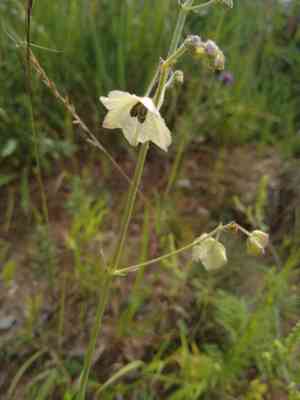
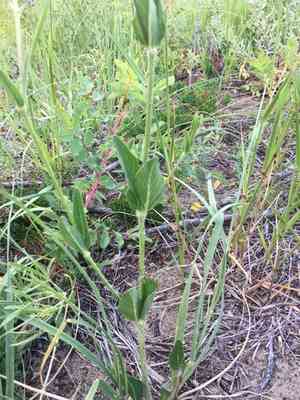
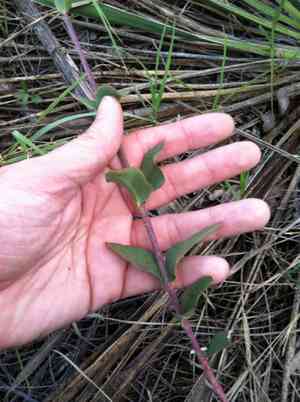
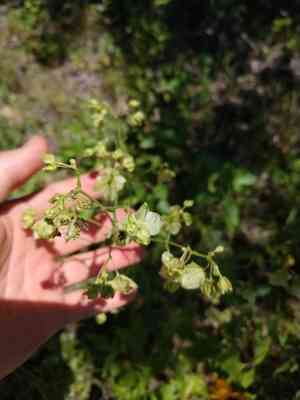
Quickly Identify White four o'clock
1
Identification relies on observing its unique habit of opening flowers in the late afternoon and the presence of tubular flowers that are white or pale pink. Leaves are ovate, and the plant typically has a sprawling habit.
Scientific Classification of White four o'clock
Phylum
Vascular plants
Class
Dicotyledons
Order
Caryophyllales
Family
Four o'clock
Genus
umbrellaworts
Species
White four o'clock
Planting and Growing of White four o'clock
Care Difficulty
Easy
Watering Schedule
Every 2 days
Sunlight Requirements
Full sun
Sunshine Duration
6-10 hours
Ideal Temperature
68-77℉
Soil Type
Potting Mix, Peat Mix
Soil pH
6.5-7.5
Fertilizer Type
Balanced
Pruning Season
Spring, Summer
Pruning Area
Branches, Leaves
Pruning Frequency
2 times a year
Repotting Season
Spring
Pot Type
Plastic, Ceramic
 How to Water White four o'clock?
For Mirabilis albida, it's crucial to maintain moderate soil moisture without over-saturating. Water thoroughly until the water begins to drain from the bottom of the pot. Ensure the soil is evenly moist, but not waterlogged.
What are the symptoms of an underwatered White four o'clock?
›
What should I do if my White four o'clock is not getting enough water?
›
What are the symptoms of an overwatered White four o'clock?
›
How to save an overwatered White four o'clock?
›
 What Are the Sunlight Requirements for White four o'clock?
The ideal light range for Mirabilis albida is full sun to partial sun. Consistently receiving this light range encourages robust growth, vibrant blooms, and a sturdy structure that supports the plant’s overall health.
More About Sunlight Requirements Techniques→
What type of sunlight does Mirabilis albida need?
›
How can I ensure optimum light for Mirabilis albida?
›
What benefits does ideal light provide to Mirabilis albida?
›
 What Is the Ideal Temperature Range for White four o'clock?
For Mirabilis albida, the optimal growth temperature range is between 68°F and 77°F. This range ensures that the plant receives adequate warmth for vital physiological processes while preventing any thermal stress that could hinder its growth.
 What Soil is Best for White four o'clock?
Mirabilis albida thrives in well-drained soil that prevents waterlogging, thus reducing root rot risks and promoting healthy root development. Well-drained conditions ensure optimal oxygen flow to roots, enhancing overall growth. This plant prefers soil enriched with organic matter, providing essential nutrients that bolster plant vigor and support lush flowering. Nutrient-rich substrates improve soil structure, aiding in water retention while ensuring balanced nutrient availability. Mirabilis albida does best in moderately fertile soils that are not overly rich, preventing excessive vegetative growth at the expense of flowers. This balance facilitates vibrant blooms while maintaining a manageable growth habit.
 How to Fertilize White four o'clock?
For Mirabilis albida, using a balanced 10-10-10 liquid fertilizer, apply at a rate of about 1 tablespoon diluted with one gallon of water. For solid, slow-release fertilizers, use approximately one cup spread evenly around the plant's base, ensuring it doesn't touch the stem.
 How to Prune White four o'clock?
Over-pruning can stress the plant and reduce its flowering potential. To prevent this, never remove more than one-third of the plant's foliage at any given time. This allows the plant to recover and continue to photosynthesize effectively. Additionally, always prune in moderation to maintain the health and aesthetic appeal of your Mirabilis albida. When pruning, stay vigilant for any signs of pest infestations or diseases, such as discolored leaves or unusual patterns. Remove affected areas immediately to prevent the spread. Pruning provides a great opportunity to check the overall health of your plant. Ensure your pruners are sanitized between cuts to avoid cross-contamination.
More About Pruning Techniques→
 How to Propagate White four o'clock plant?
1
Choose a well-draining mix suitable for seed germination or cuttings. Sterilize the mix if possible to minimize the risk of fungal infections. Moisten it thoroughly but avoid making it waterlogged.
2
Scatter Mirabilis albida seeds evenly on the surface of the growing medium. Lightly cover them with a thin layer of soil or vermiculite. Keep the tray in a warm, bright location but out of direct sunlight.
3
Select a healthy stem free of pests and diseases. Cut a section about 4-6 inches long below a node. Remove the lower leaves and dip the cut end in rooting hormone to encourage root development.
 How to Repot White four o'clock plant?
1
Mirabilis albida signals the need for repotting when you see its roots poking out of the drainage holes or spiraling around the pot edges. Another clear signal is when the plant’s growth appears stunted despite proper care, indicating that the roots have run out of space to expand and require more room to grow.
2
Select a pot that is 1-2 inches larger in diameter than the current one, ensuring it has adequate drainage holes to prevent waterlogging. Choosing the right pot size helps to avoid overwatering and provides ample space for roots to grow, ensuring healthier and more robust growth for your Mirabilis albida.
3
Opt for a sandy, well-draining soil mix that allows excess water to escape quickly. A mix rich in organic matter provides essential nutrients while the sandy texture prevents water retention. This type of soil is beneficial for Mirabilis albida, which thrives in well-draining conditions, reducing the risk of root rot.
Learn More About White four o'clock Diseases
Anthracnose
Bacterial Leaf Spot
Bacterial Soft Rot
Chemical Injury
Damping-off
Downy Mildew
Drought Stress
Fusarium Wilt
Gray Mold
Leaf Spot
Mosaic
Nutrient Deficiency
Nutrient Toxicity
Powdery Mildew
Root Rot
Root-knot Nematode
Rusts
Sooty Mold
Spider Mites
Temperature Stress
Thrips Damage
White Mold



