How to Prune Sharpwing monkeyflower?
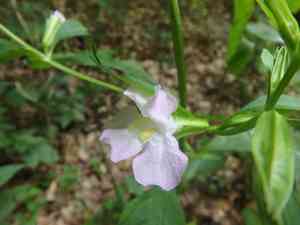
This enduring herbaceous species, distinguished by its bilabiate blossoms and alate stalks, flourishes in humid environments. To sustain the vitality of sharpwing monkeyflower, trim it back following its initial flowering period in late spring to stimulate a subsequent flush of blooms. Consistently remove faded flowers during the summer months to foster uninterrupted blossoming. Promptly excise any impaired or infected stems to avert dissemination. This precise trimming regimen boosts the plant's well-being, encourages development, and optimizes its capacity for flowering.
What Are the Benefits of Pruning Sharpwing Monkeyflower?
What Are the Benefits of Pruning Sharpwing Monkeyflower?
Trimming sharpwing monkeyflower promotes robust development and helps maintain its desired form. By eliminating spent blooms or overgrown stalks, it encourages new growth and flower production, boosting the plant's overall vitality and visual appeal.
What Is the Best Time for Pruning Sharpwing Monkeyflower?
What Is the Best Time for Pruning Sharpwing Monkeyflower?
Pruning sharpwing monkeyflower in late spring coincides with its post-bloom phase, enabling gardeners to shape the plant and stimulate a second growth spurt before summer. This timing ensures the removal of faded flowers and any winter frost damage. Early summer trimming is beneficial for preserving plant health and vigor by eliminating dead or diseased stems. These periods also prevent cutting back sharpwing monkeyflower during its active growth in early spring and foster improved flowering in the subsequent season.
What Tools Do I Need to Prune Sharpwing Monkeyflower?
Bypass Pruners
Perfect for making clean cuts through the relatively soft stems of sharpwing monkeyflower without causing unnecessary harm to the plant tissue.
Gardening Gloves
Protects the gardener's hands from scrapes and potential irritants while handling sharpwing monkeyflower.
Pruning Shears
Excellent for shaping sharpwing monkeyflower and removing spent flowers or damaged foliage to encourage new growth and blooming.
Garden Scissors
Sharpwing monkeyflower may have delicate areas requiring fine-tuning or thinning, for which smaller blades like those of garden scissors are appropriate.
How to Prune Sharpwing Monkeyflower
Clean
Ensure all pruning tools are clean and sharp to prevent disease spread and make precise cuts on sharpwing monkeyflower.
Disinfect
Disinfect the pruning shears with a bleach and water solution or rubbing alcohol before and after pruning sharpwing monkeyflower to avoid infecting the plant.
Remove Diseased Leaves
Carefully trim off any diseased leaves from sharpwing monkeyflower by cutting at the base of the leaf stem, ensuring not to tear or damage neighboring healthy leaves.
Remove Withered Leaves
Prune any withered leaves from sharpwing monkeyflower to redirect the plant's energy to new growth and maintain a healthy appearance, cutting at the base of the leaf stem.
Cut Diseased Stems
Identify and remove diseased stems from sharpwing monkeyflower by making a clean cut just above a leaf node or lateral bud that faces outward to promote better air circulation and growth direction.
Common Pruning Mistakes with Sharpwing Monkeyflower
Over pruning
Removing too much foliage at once can stress sharpwing monkeyflower, hindering its ability to photosynthesize and grow properly.
Pruning into old wood
Sharpwing monkeyflower may not respond well to severe pruning into old, nonproductive wood, as it may not regenerate easily from such cuts.
Ignoring diseased or damaged stems
Failure to remove diseased, damaged, or dead stems can invite pests and diseases, affecting the overall health of sharpwing monkeyflower.
Not sanitizing tools
Using unsanitized tools can spread diseases between plants during pruning of sharpwing monkeyflower.
Imprecise cuts
Making jagged or torn cuts can damage sharpwing monkeyflower's stems, leading to disease and pest problems.
Common Pruning Tips for Sharpwing Monkeyflower
Sanitizing tools
Before starting, sanitize pruning tools to prevent the spread of disease to sharpwing monkeyflower.
Selective pruning
Carefully select which stems to prune, focusing on removing just the dead, diseased, or overgrown parts to maintain the health and aesthetics of sharpwing monkeyflower.
Encouraging bushiness
Pinching back the tips of sharpwing monkeyflower can encourage a bushier growth habit and more abundant flowering.
Post-flowering trim
After sharpwing monkeyflower has flowered, lightly trimming can promote a second bloom and help maintain its shape.
Thinning
Thin out crowded areas to increase air circulation, which reduces the risk of fungal infections in sharpwing monkeyflower.



