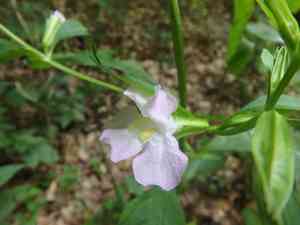
Sharpwing monkeyflower (Mimulus alatus)
Also known as: Winged Monkeyflower
Sharpwing monkeyflower, native to eastern North America, gets its name because its blossoms look similar to a monkey’s face. Despite its ability to produce many flowers, only a few bloom simultaneously. Bumblebees are the primary pollinators for this plant.
In This Article
Attributes of Sharpwing monkeyflower
Lifespan
Perennial
Plant Type
Herb
Plant Height
30 cm to 91 cm
Spread
45 cm to 60 cm
Leaf Color
Green
Flower Size
2.5 cm
Flower Color
Pink Purple
Images of Sharpwing monkeyflower
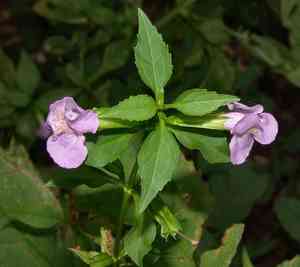
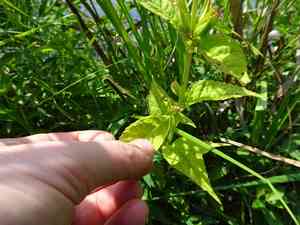
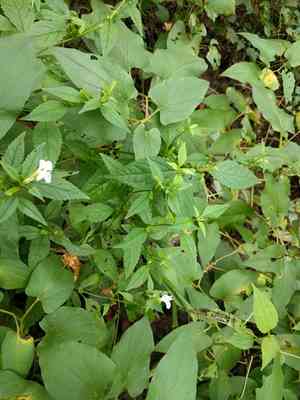
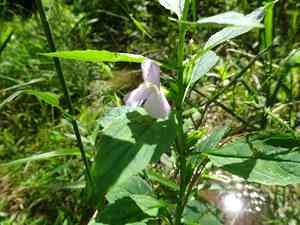
Quickly Identify Sharpwing monkeyflower
1
Mimulus alatus can be identified by its winged stems, lance-shaped leaves with toothed edges, and its small tubular flowers that range in color from pale pink to purple.
Scientific Classification of Sharpwing monkeyflower
Phylum
Vascular plants
Class
Dicotyledons
Order
Lamiales
Family
Lopseed
Genus
Mimulus
Species
Sharpwing monkeyflower
Planting and Growing of Sharpwing monkeyflower
Care Difficulty
Easy
Watering Schedule
Every 8 days
Sunlight Requirements
Partial sun
Sunshine Duration
6-10 hours
Ideal Temperature
60-75℉
Soil Type
Potting Mix, Peat Mix
Soil pH
6.5-7.5
Fertilizer Type
Balanced
Pruning Season
Spring, Summer
Pruning Area
Branches, Leaves
Pruning Frequency
2 times a year
Repotting Season
Spring
Pot Type
Plastic, Ceramic
 How to Water Sharpwing monkeyflower?
Water Mimulus alatus consistently but avoid letting them stand in water. A good rule is to water until the top inch of the soil feels moist but not soggy. It is crucial to let the soil dry out slightly between waterings to prevent root rot.
What are the symptoms of an underwatered Sharpwing monkeyflower?
›
What should I do if my Sharpwing monkeyflower is not getting enough water?
›
What are the symptoms of an overwatered Sharpwing monkeyflower?
›
How to save an overwatered Sharpwing monkeyflower?
›
 What Are the Sunlight Requirements for Sharpwing monkeyflower?
Mimulus alatus ideally thrives in partial to full shade conditions. Optimal lighting increases photosynthesis efficiency and results in lush foliage with vivid flower displays enhancing landscape beauty.
More About Sunlight Requirements Techniques→
What are the ideal lighting conditions for Mimulus alatus?
›
How can you achieve ideal lighting for Mimulus alatus?
›
What are the benefits of proper lighting for Mimulus alatus?
›
 What Is the Ideal Temperature Range for Sharpwing monkeyflower?
The ideal temperature range for Mimulus alatus, also known as winged monkeyflower, is between 60°F and 75°F. This temperature range ensures optimal growth and health of the plant, providing the perfect conditions for photosynthesis and water uptake. Maintaining this range helps the plant thrive and produce vibrant flowers.
 What Soil is Best for Sharpwing monkeyflower?
Mimulus alatus thrives in well-drained soils that prevent waterlogging, which can lead to root rot. Ensuring proper drainage helps the plant maintain a healthy root system and robust growth. Despite needing well-drained soil, this plant requires soil that can retain moisture to keep it hydrated during dry spells. Using a mulch layer can help to retain moisture and provide a consistent water supply, promoting lush foliage. A nutrient-rich soil with an abundance of organic matter supports the vigorous growth of Mimulus alatus. Incorporating compost can improve soil fertility, providing essential nutrients for blossoming flowers and overall plant vigor.
 How to Fertilize Sharpwing monkeyflower?
For Mimulus alatus, a balanced liquid fertilizer typically applied at half strength is perfect. During the growing season, use approximately 1 tablespoon per gallon of water every two weeks to ensure lush growth. When using slow-release pellets, a handful sprinkled around the base of the plant will suffice for one application.
 How to Prune Sharpwing monkeyflower?
Begin by inspecting the plant for any branches that appear dead or diseased. These should be your first target for removal, as they can drain resources from healthy parts of the plant. Once the flowering period is over, trim back the stems to encourage new growth. This not only helps to shape the plant but also stimulates more vigorous blooming in the next cycle. Aim to prune in a way that maintains the plant's natural shape, which helps it to look more aesthetically pleasing and ensures that all parts of the plant have access to sunlight.
More About Pruning Techniques→
 How to Propagate Sharpwing monkeyflower plant?
1
For division propagation, carefully remove the Mimulus alatus plant from its pot and gently separate the roots to create two or more sections. Each section should have multiple stems and a healthy root system for optimal growth.
2
Sow Mimulus alatus seeds in seed trays filled with a seed-starting mix. Lightly press the seeds onto the surface and cover them with a thin layer of soil. Keep the soil moist but not waterlogged.
3
Once the seedlings have developed a few sets of true leaves, carefully transplant them into individual pots. Ensure that each pot has a well-draining potting mix and place them in a location with indirect sunlight.
 How to Repot Sharpwing monkeyflower plant?
1
Repot when Mimulus alatus shows signs of root-bound growth, such as roots protruding from drainage holes or stunted growth. This typically occurs in spring or early summer when the plant is actively growing and can recover quickly from transplant shock.
2
Choose a pot that is slightly larger than the current one, with ample drainage holes. A pot too large can lead to water retention and root rot, while a snug fit ensures efficient nutrient uptake and a healthier root system.
3
Select a well-draining, organic-rich soil to provide adequate aeration and nutrients. A good mix prevents waterlogging while supporting healthy root growth, ensuring Mimulus alatus thrives in its new home.
Learn More About Sharpwing monkeyflower Diseases
Anthracnose
Bacterial Leaf Spot
Bacterial Soft Rot
Bacterial Wilt
Chemical Injury
Crown Gall
Damping-off
Downy Mildew
Drought Stress
Fusarium Wilt
Gray Mold
Leaf Spot
Mosaic
Nutrient Deficiency
Nutrient Toxicity
Powdery Mildew
Root Rot
Root-knot Nematode
Rusts
Sooty Mold
Spider Mites
Temperature Stress
Thrips Damage
White Mold



