How to Prune Giant sensitive plant?
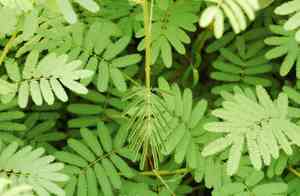
The giant sensitive plant, a rapidly developing, spiny leguminous species, is distinguished by its leaves' tactile responsiveness. Effective trimming is essential for managing its expansion and improving its aesthetic appeal. Primary methods involve shortening excessively long branches and eliminating frail or compromised sections, ideally executed in late winter or early spring to align with its natural growth period. This schedule fosters robust new development and contributes to the plant's overall well-being. Furthermore, pruning mitigates the potential for aggressive proliferation in environments where it is not indigenous.
What Are the Benefits of Pruning Giant Sensitive Plant?
What Are the Benefits of Pruning Giant Sensitive Plant?
Trimming giant sensitive plant promotes robust development and maintains its desired form. It prevents excessive growth, ensuring the plant doesn't dominate areas where other species need to thrive.
What Is the Best Time for Pruning Giant Sensitive Plant?
What Is the Best Time for Pruning Giant Sensitive Plant?
Late winter and early spring are considered optimal periods for pruning giant sensitive plant, as they precede the active growth phase. Pruning in late winter allows for the removal of dead or damaged growth without affecting the flowering season, given that giant sensitive plant typically resumes growth and blooms in spring. Early spring pruning helps assess and remove any winter cold damage. This timing also aids in controlling the spread of giant sensitive plant by cutting it back before seed pods form and disperse, thereby reducing its invasive potential. By pruning during these recommended seasons, the health of giant sensitive plant is supported, energy is directed towards producing new, vibrant growth, and interference with the flowering cycle is avoided.
What Tools Do I Need to Prune Giant Sensitive Plant?
Hand Pruners
These are crucial for precise cuts on giant sensitive plantâs smaller stems. Ensure they are bypass pruners for clean cuts that encourage healthy regrowth.
Lopping Shears
Giant sensitive plant can have thicker branches that hand pruners cannot manage. Lopping shears will be necessary for branches up to approximately 1 1/2 inches thick, offering leverage and extended reach.
Pruning Saw
For branches thicker than those suitable for lopping shears, a pruning saw enables cutting without harming giant sensitive plant. A saw with fine teeth is preferred for smoother cuts.
Hedge Shears
To shape giant sensitive plant or to shear multiple fine branches simultaneously, hedge shears can be used for quick and efficient work.
Gloves
Giant sensitive plant can have thorny stems that might irritate skin. Durable gloves protect hands during the pruning process.
Eye protection
Safety glasses are advised to shield eyes from any potential harm from flying debris during cutting.
How to Prune Giant Sensitive Plant
Clean tools
Before pruning giant sensitive plant, sanitize pruning tools with a solution of 1 part bleach to 9 parts water to prevent disease transmission.
Identify
Examine giant sensitive plant for diseased or withered leaves. Look for discolored, spotted, or distorted foliage as these indicate unhealthy leaves.
Sanitize
Wear gloves to protect your hands and, using the sterilized tools, carefully remove diseased leaves by cutting at the base of the leaf stem. Do not pull the leaves, as this can damage healthy parts of giant sensitive plant.
Prune withered
Similarly, prune withered leaves from giant sensitive plant with clean cuts to prevent tearing. Ensure to cut close to the main stem without harming it to promote better healing.
Dispose
Properly dispose of the removed diseased and withered leaves, away from healthy plants and compost, to prevent the spread of pathogens.
Common Pruning Mistakes with Giant Sensitive Plant
Improper Cut Location
Cutting too far from or too close to the main stem can lead to poor healing and attract pests or diseases.
Overpruning
Removing too much foliage or too many branches at once can stress giant sensitive plant and hinder its growth.
Tearing Branches
Ripping or tearing branches instead of making clean cuts can damage giant sensitive plant's tissues and impede recovery.
Using Dull Tools
Pruning with dull tools can result in jagged cuts that are more vulnerable to infections.
Disregard for Plant Structure
Failing to understand the natural form of giant sensitive plant can lead to improper pruning that affects its growth pattern.
Ignoring Dead or Diseased Limbs
Neglecting to remove dead or diseased limbs can allow problems to spread throughout giant sensitive plant.
Flush Cutting
Making flush cuts against the trunk removes the branch collar, leading to improper wound closure and potential disease entry.
Common Pruning Tips for Giant Sensitive Plant
Sharp Tools
Always use sharp, clean pruning tools to make precise cuts that giant sensitive plant can heal from quickly.
Angled Cuts
Make cuts at a 45-degree angle away from the bud to promote water runoff and prevent rot.
Three-Point Cut
Use the three-point cutting method for larger branches to prevent bark from tearing down the trunk.
Prioritize Health
Remove dead, diseased, or damaged limbs to maintain giant sensitive plant's health and encourage growth.
Respect Growth Pattern
Understand giant sensitive plant's natural growth habit to maintain its structure and enhance its aesthetic appeal.
Disinfect Tools
Regularly disinfect tools between cuts to prevent the spread of disease.
Gradual Prune
If heavy pruning is needed, do it gradually over several seasons to minimize stress on giant sensitive plant.
Identify Buds
Prune just above outward-facing buds to influence the direction of new growth, ensuring it's away from the center of giant sensitive plant.



