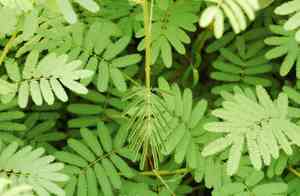
Giant sensitive plant (Mimosa diplotricha)
Also known as: Nila grass
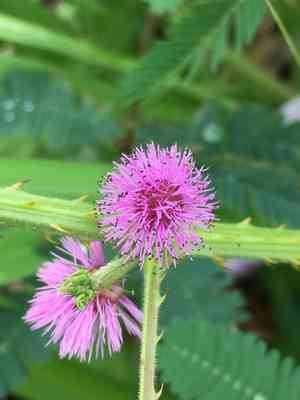
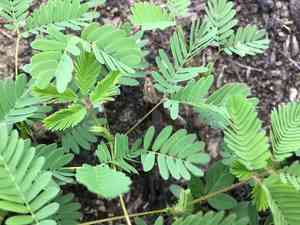
The giant sensitive plant (Mimosa diplotricha) is a tropical vine that can extend up to 5 meters in length. It features fern-like leaves that fold upon touch and blooms with pink, fluffy flower clusters. Additionally, it produces green seed pods. This plant is deemed invasive in various regions due to its rapid growth and ability to form dense, thorny thickets, which outcompete native vegetation. Furthermore, its thorns can cause injuries to livestock and humans, and it poses a threat to agricultural productivity and biodiversity.
In This Article
Attributes of Giant sensitive plant
Lifespan
Perennial
Plant Type
Vine, Shrub
Plant Height
3 m
Spread
Approximately 1 to 3 meters
Leaf Color
Green
Flower Size
1.2 cm
Flower Color
Purple Pink
Images of Giant sensitive plant
Quickly Identify Giant sensitive plant
1
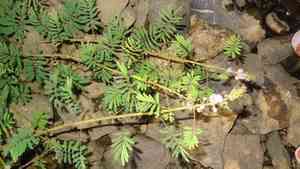
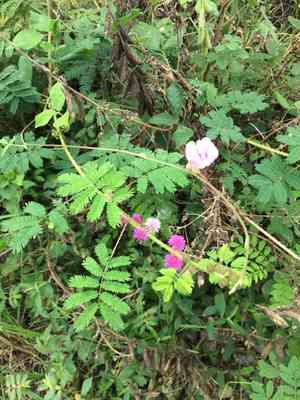
Mimosa diplotricha can be identified by its compound leaves which fold when touched, its pink to purple puffball flowers, and its thorny stems. It often forms dense thickets and has distinctive prickles along the stems.
Scientific Classification of Giant sensitive plant
Phylum
Vascular plants
Class
Dicotyledons
Order
Fabales
Family
Legume
Genus
Sensitive plants
Species
Giant sensitive plant
Planting and Growing of Giant sensitive plant
Care Difficulty
Hard
Watering Schedule
Every 2 days
Sunlight Requirements
Full sun
Sunshine Duration
6-10 hours
Ideal Temperature
77-86℉
Soil Type
Potting Mix, Peat Mix
Soil pH
6-7.5
Fertilizer Type
Balanced
Pruning Season
Spring, Summer
Pruning Area
Branches, Leaves
Pruning Frequency
2 times a year
Repotting Season
Spring
Pot Type
Plastic, Ceramic
 How to Water Giant sensitive plant?
For Mimosa diplotricha, the ideal watering amount is around 300 milliliters per session. This plant thrives when the soil moisture is balanced, meaning it should not feel too soggy or too dry. A good rule of thumb is to water until you see a slight trickle draining from the pot's bottom, indicating that the soil is adequately moistened but not waterlogged.
What are the symptoms of an underwatered Giant sensitive plant?
›
What should I do if my Giant sensitive plant is not getting enough water?
›
What are the symptoms of an overwatered Giant sensitive plant?
›
How to save an overwatered Giant sensitive plant?
›
 What Are the Sunlight Requirements for Giant sensitive plant?
Preferring full sun to partial sun, Mimosa diplotricha benefits from around 6 to 8 hours of daylight. Ideal lighting ensures healthy foliage, supports natural movement traits, and enhances blooming potential.
What are the optimal lighting conditions for Mimosa diplotricha?
›
How can you achieve ideal lighting for Mimosa diplotricha?
›
What are the benefits of providing ideal light to Mimosa diplotricha?
›
 What Is the Ideal Temperature Range for Giant sensitive plant?
Mimosa diplotricha thrives in warm environments where the temperature averages between 77°F and 86°F. This range is crucial for its growth, allowing optimal photosynthesis, nutrient uptake, and metabolic processes. Continuous exposure to this temperature facilitates robust development and overall health of the plant.
 What Soil is Best for Giant sensitive plant?
Mimosa diplotricha thrives in soils with good moisture retention properties, which help maintain consistent hydration. This is crucial for steady growth and productivity, ensuring the plant remains vigorous and produces vibrant foliage. A nutrient-rich soil is vital for Mimosa diplotricha as it absorbs significant nutrients for rapid growth. Ample nutrients lead to lush growth and help the plant fend off pests and diseases effectively. Soil with good aeration is essential for this plant, enabling root systems to breathe and expand. Proper aeration supports healthy root development and allows the plant to access nutrients efficiently.
 How to Fertilize Giant sensitive plant?
Mimosa diplotricha should be fertilized lightly to moderately, ensuring an even, balanced approach suitable for a broadleaf plant. Too much fertilizer can lead to excessive, undesired foliage growth, whereas too little can result in poor health. Ideal applications involve a 10-10-10 liquid fertilizer at half strength, ensuring nutrients supply without causing harm.
 How to Prune Giant sensitive plant?
Start by identifying branches that are overgrown, dead, or diseased. Remove these by making clean cuts at the base of the branch. Focus on thinning out areas where growth is particularly dense to improve air circulation and light penetration within the plant. Make your cuts at a 45-degree angle, just above a leaf node or bud. This encourages healthy new growth and ensures that water runs off the cut surface, reducing the risk of rot. Prune branches that are growing inwards or crossing each other. This helps direct growth outwards, promoting a well-structured and aesthetically pleasing plant shape. It also minimizes the risk of branches rubbing against each other, which can cause injuries.
More About Pruning Techniques→
 How to Propagate Giant sensitive plant plant?
1
Gather mature seeds from the Mimosa diplotricha pods once they have dried on the plant. Ensure seeds are fully ripe to increase germination success.
2
Select healthy, disease-free stems for cuttings. Cut each stem below a node and remove lower leaves to reduce moisture loss and rot potential in the soil.
3
Plant seeds in seed trays filled with quality potting mix. For cuttings, insert into a well-draining potting mix. Ensure good contact with the soil and water thoroughly.
 How to Repot Giant sensitive plant plant?
1
Repot Mimosa diplotricha when you notice roots emerging from the drainage holes, or the plant appears to be outgrowing its container. These are clear signs that the roots need more space to expand, ensuring healthy growth and nutrient absorption.
2
Select a pot that is 1-2 inches larger in diameter than the current pot to provide space for root expansion. Ensure it has ample drainage holes to prevent waterlogging, which promotes root rot. The material should be sturdy but allow aeration, like terracotta or glazed ceramic.
3
Opt for well-draining sandy loam soil, which keeps the roots aerated and prevents water retention. This type of soil facilitates quick drainage while retaining essential nutrients necessary for Mimosa diplotricha to thrive in its new home.
Toxicity
Ingestion
WARNING
The judgment on toxicity and danger is for reference only. We DO NOT GUARANTEE any accuracy of such judgment. Therefore, you SHALL NOT rely on such judgment. It is IMPORTANT TO SEEK PROFESSIONAL ADVICE in advance when necessary.
Learn More About Giant sensitive plant Diseases
Anthracnose
Bacterial Leaf Spot
Bacterial Wilt
Crown Gall
Cyst Nematode
Damping-off
Drought Stress
Fusarium Wilt
Gray Mold
Leaf Curl
Leaf Spot
Mosaic
Nutrient Deficiency
Nutrient Toxicity
Powdery Mildew
Root Rot
Root-knot Nematode
Rusts
Sooty Mold
Spider Mites
Temperature Stress
Thrips Damage
White Mold



