How to Prune Puerto rico sensitive-briar?
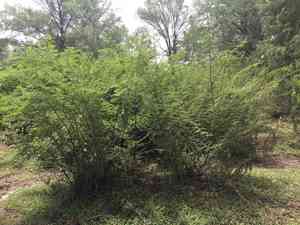
This botanical specimen, recognized for its tactile responsiveness and diminutive, rosy blossoms, thrives with early spring trimming. Eliminate any lifeless or compromised stalks to foster robust development. Reduce dense branches to enhance air movement, thereby aiding in disease prevention. Performing this horticultural task at this time guarantees that puerto rico sensitive-briar possesses sufficient opportunity to recuperate and thrive across the cultivation period. Consistent trimming preserves its form and stimulates vivid flowering. Always employ sanitized, keen implements to avert harm to the plant.
What Are the Benefits of Pruning Puerto Rico Sensitive-briar?
What Are the Benefits of Pruning Puerto Rico Sensitive-briar?
Puerto rico sensitive-briar thrives with pruning, promoting vigorous growth and maintaining its form. Pruning encourages robust development, manages plant size, and enhances its overall look. It also aids in boosting flowering, fending off pests and diseases, and keeping the plant manageable.
What Is the Best Time for Pruning Puerto Rico Sensitive-briar?
What Is the Best Time for Pruning Puerto Rico Sensitive-briar?
Pruning puerto rico sensitive-briar in early spring is optimal as it aligns with the plant's natural growth cycle. During this period, puerto rico sensitive-briar is emerging from dormancy and entering a phase of strong growth, allowing for faster recovery from pruning. Additionally, pruning before the start of the growing season helps stimulate new growth and encourages better branching, resulting in a fuller and healthier plant structure. Early spring pruning also ensures the plant can direct energy towards developing new leaves and flowers rather than healing from pruning wounds during its peak growth time.
What Tools Do I Need to Prune Puerto Rico Sensitive-briar?
Hand Pruners
Perfect for smaller branches and stems. These tools offer precision and control, vital for preserving the delicate structure of puerto rico sensitive-briar.
Bypass Pruners
Recommended for green, live wood. They create clean cuts without crushing plant tissue, which is essential for puerto rico sensitive-briar's well-being.
Loppers
Used for thicker branches too large for hand pruners. They extend the gardener's reach and provide greater leverage for cutting thicker stems of puerto rico sensitive-briar.
Pruning Saw
Necessary for very thick branches or older growth. A pruning saw can handle tougher cuts without harming the plant.
How to Prune Puerto Rico Sensitive-briar
Inspection
Carefully examine puerto rico sensitive-briar for indications of diseased leaves, withered foliage, dead branches, and infected branches. Use clean, sharp pruning shears for precise cuts.
Remove diseased leaves
Trim away any infected leaves by cutting them at the base where they connect to the stem. This prevents the spread of disease to healthy parts of puerto rico sensitive-briar.
Remove withered leaves
Cut off dried-up leaves at their base to promote new growth and improve the overall appearance and health of puerto rico sensitive-briar.
Cut dead branches
Use loppers or pruning saws to eliminate dead branches. Make the cut just above the branch collar to encourage healing and reduce disease risk.
Trim diseased branches
Carefully prune away infected branches by cutting back to healthy, disease-free wood. Disinfect your pruning tools between cuts to prevent cross-contamination.
Common Pruning Mistakes with Puerto Rico Sensitive-briar
Over-pruning
Removing too many branches and leaves can stress puerto rico sensitive-briar, diminishing its ability to photosynthesize and potentially leading to poor growth or flowering.
Improper tool use
Using dull or dirty tools can damage plant tissue, making puerto rico sensitive-briar more vulnerable to diseases and pests.
Pruning at the wrong node
Cutting too close to the main stem or leaving too much of a stub can hinder proper healing and new growth on puerto rico sensitive-briar.
Pruning during active growth
Pruning puerto rico sensitive-briar when it is actively growing can disrupt its development and energy allocation, leading to stunted growth and fewer flowers.
Common Pruning Tips for Puerto Rico Sensitive-briar
Sanitize tools
Always use clean, sharp tools to make clean cuts and minimize the risk of introducing pathogens to puerto rico sensitive-briar.
Make precise cuts
Cut at a 45-degree angle just above a leaf node to promote quicker healing and even growth for puerto rico sensitive-briar.
Remove dead or diseased wood
Regularly inspect puerto rico sensitive-briar and remove any dead, damaged, or diseased branches to encourage healthy growth and prevent the spread of issues.
Thin out crowded branches
If puerto rico sensitive-briar becomes too dense, selectively thinning out branches can improve air circulation and light penetration, benefiting overall plant health.



