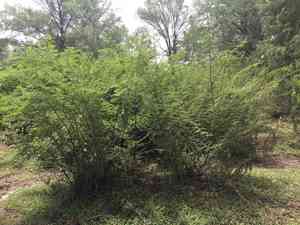
Puerto rico sensitive-briar (Mimosa asperata)
Also known as: Thick-leaved Sensitive Plant
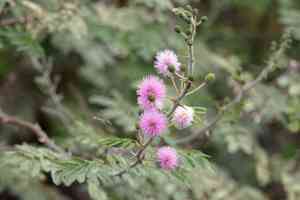
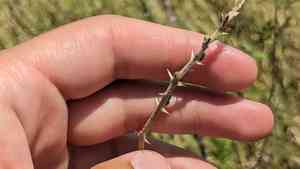
The Puerto Rico sensitive-briar (Mimosa pudica) is a hardy plant native to tropical regions, thriving in sunny, well-drained areas. This plant is notable for its touch-sensitive leaves that fold inward when disturbed, a defense mechanism against herbivores. It also features sharp thorns along its stems for added protection. The bright pink, fluffy flowers draw in pollinators, enhancing its reproductive success. Additionally, it is capable of fixing nitrogen in the soil, allowing it to thrive even in nutrient-poor conditions. Its deep root system aids in water conservation, making it well-suited for variable tropical climates.
In This Article
Attributes of Puerto rico sensitive-briar
Lifespan
Perennial
Plant Type
Shrub
Plant Height
1 to 2 meters
Spread
0.5 to 1 meter
Leaf Color
Green
Flower Size
0.5 to 1 centimeter
Flower Color
Pink or lilac
Images of Puerto rico sensitive-briar
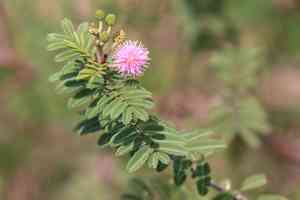
Quickly Identify Puerto rico sensitive-briar
1
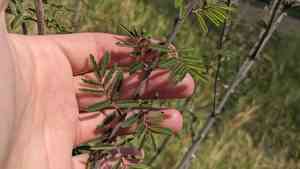
Look for compound leaves that fold or droop when touched. The leaves are pinnately compound, meaning they have leaflets arranged on either side of a central stem.
Scientific Classification of Puerto rico sensitive-briar
Phylum
Vascular plants
Class
Dicotyledons
Order
Fabales
Family
Legume
Genus
Sensitive plants
Species
Puerto rico sensitive-briar
Planting and Growing of Puerto rico sensitive-briar
Care Difficulty
Moderate
Watering Schedule
Every 2 days
Sunlight Requirements
Partial sun
Sunshine Duration
6-10 hours
Ideal Temperature
68-77℉
Soil Type
Potting Mix, Peat Mix
Soil pH
6.5-7.5
Fertilizer Type
Balanced
Pruning Season
Spring, Summer
Pruning Area
Branches, Leaves
Pruning Frequency
2 times a year
Repotting Season
Spring
Pot Type
Plastic, Ceramic
 How to Water Puerto rico sensitive-briar?
Mimosa asperata prefers a moderate amount of water, typically about 150ml each time. Ensure the topsoil is lightly moist without being soggy. Avoid letting the water pool at the plant's base, as it may lead to root rot. The idea is to mimic the natural conditions of its native habitat, ensuring the soil retains some moisture without being wet.
What are the symptoms of an underwatered Puerto rico sensitive-briar?
›
What should I do if my Puerto rico sensitive-briar is not getting enough water?
›
What are the symptoms of an overwatered Puerto rico sensitive-briar?
›
How to save an overwatered Puerto rico sensitive-briar?
›
 What Are the Sunlight Requirements for Puerto rico sensitive-briar?
Mimosa asperata prefers partial sunlight, ideally 4 to 6 hours of indirect light per day. Sufficient light encourages proper photosynthesis, ensuring healthy growth and development without risking leaf burn.
What are the ideal lighting conditions for Mimosa asperata?
›
How can you achieve these light conditions?
›
What are the benefits of Mimosa asperata getting ideal lighting?
›
 What Is the Ideal Temperature Range for Puerto rico sensitive-briar?
Mimosa asperata thrives best in temperatures ranging from 68°F to 77°F. This range supports metabolic activities and optimizes photosynthesis, ensuring robust growth and healthy foliage. Keeping it within this range helps maintain humidity levels conducive for its development.
 What Soil is Best for Puerto rico sensitive-briar?
Mimosa asperata thrives in well-draining soil. This helps prevent root rot due to waterlogged conditions. Ensuring good drainage allows the roots to access air and nutrients efficiently. Rich, fertile soil enhances growth and health. A nutrient-dense environment supplies the essential elements needed for robust development and vibrant foliage. Mimosa asperata prefers slightly neutral soil pH, which facilitates optimal nutrient absorption. Maintaining ideal pH levels ensures the plant can take up minerals effectively.
 How to Fertilize Puerto rico sensitive-briar?
Mimosa asperata benefits from a balanced fertilization approach. Use a diluted liquid fertilizer at half the recommended strength to avoid nutrient stress. For slow-release fertilizers, apply according to package instructions, typically one tablespoon per plant, which accommodates its moderate growth habit.
 How to Prune Puerto rico sensitive-briar?
Identify and remove any dead or diseased branches first. Cut these branches back to healthy wood, clearing out any debris that may harbor pests. This practice protects Mimosa asperata from disease spread and improves air circulation within the plant. Trim back overgrown branches to maintain the desired shape and size of Mimosa asperata. Focus on promoting an open-center canopy to encourage light penetration and air circulation, which are vital for the health and aesthetics of this tropical beauty. To enhance bloom production, trim faded flowers and any leggy growth after the flowering period. This encourages new blooms and maintains the plant's visual appeal, ensuring Mimosa asperata retains its eye-catching, ornamental charm throughout its growing seasons.
More About Pruning Techniques→
 How to Propagate Puerto rico sensitive-briar plant?
1
Harvest seeds from mature Mimosa asperata pods. Allow the pods to dry completely on the plant before collecting to ensure seeds are fully mature.
2
Select healthy stems for cuttings. Make a clean cut just below a node using sterile pruning shears. Ideal cuttings should be 4-6 inches long.
3
Use well-drained soil mix in trays or pots. Plant the seeds at a shallow depth, or insert the cuttings with at least two nodes in contact with the soil.
 How to Repot Puerto rico sensitive-briar plant?
1
Mimosa asperata should be repotted when the roots start to outgrow the current pot, typically visible through drainage holes or when growth appears stunted. Early spring or summer are ideal times as the plant is in active growth phase, facilitating quicker adaptation to new soil.
2
Select a pot that is one size larger than the current one, providing adequate room for root expansion. Ensure it has drainage holes to prevent waterlogging. This allows mimosa asperata to establish a strong root system, reducing the risk of root rot.
3
Use a well-draining loamy soil mix to ensure proper aeration and moisture retention. A nutrient-rich soil mix promotes healthy growth and prevents issues related to over-saturation, allowing the plant to thrive in its new home.
Learn More About Puerto rico sensitive-briar Diseases
Anthracnose
Bacterial Leaf Spot
Bacterial Wilt
Crown Gall
Cyst Nematode
Damping-off
Downy Mildew
Drought Stress
Fusarium Wilt
Gray Mold
Leaf Spot
Mosaic
Nutrient Deficiency
Nutrient Toxicity
Powdery Mildew
Root Rot
Root-knot Nematode
Rusts
Sooty Mold
Spider Mites
Temperature Stress
Thrips Damage
White Mold



