How to Prune Limpleaf fern?
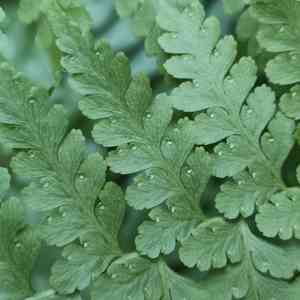
A tropical fern recognized for its delicate foliage and compact, expansive growth, the limpleaf fern thrives with consistent pruning to preserve its form and stimulate robust development. Remove any withered or compromised fronds at their origin during the Spring, Summer, or Autumn seasons for best outcomes. Reducing crowded sections enhances air movement, thereby lowering the likelihood of fungal infections. Trimming additionally revitalizes the plant, fostering more energetic and abundant leaves. Always employ disinfected implements to avert contamination.
Advantages of Trimming Limpleaf Fern
Advantages of Trimming Limpleaf Fern
Trimming limpleaf fern promotes robust growth by eliminating dead or overgrown fronds, enhancing light exposure and air circulation. Furthermore, strategic cuts help maintain limpleaf fern's form and size, contributing to its visual appeal.
Optimal Period for Pruning Limpleaf Fern
Optimal Period for Pruning Limpleaf Fern
Pruning or trimming limpleaf fern in Spring allows for the removal of any dead fronds from winter cold, and to shape the plant before its growth surge in warmer months. This timing also aids in preventing disease spread, as the plant can quickly recover. Summer is also suitable as limpleaf fern continues to grow, enabling gardeners to guide its shape and encourage fuller foliage. Trimming in Fall is beneficial for removing older fronds and preparing the plant for winter, reducing disease and pest risks during dormancy. Avoid winter pruning when limpleaf fern is less active and may not recover well from stress. Pruning during active growth ensures better healing and a healthier plant.
Tools Required for Pruning Limpleaf Fern
Sharp Scissors or Snips
For limpleaf fern, delicate tools for precise cutting are crucial due to its fine foliage. Sharp scissors or snips allow gardeners to accurately trim dead or yellowing fronds, minimizing harm to adjacent healthy fronds.
Hand Pruners
Limpleaf fern may occasionally develop larger, tougher fronds or stems that require a more robust cutting tool. Hand pruners are ideal for cleanly cutting through stems too thick for scissors without crushing the delicate tissue.
Pruning Saw
If limpleaf fern has developed a more substantial base or older, woodier fronds, a pruning saw can be used to carefully cut through these parts without causing undue stress to the rest of the plant.
How to Prune Limpleaf Fern
Sanitize
Before pruning limpleaf fern, disinfect your pruning tools with alcohol or a bleach solution to prevent disease transmission.
Identify
Examine limpleaf fern and pinpoint diseased leaves, withered leaves, dead branches, and diseased branches that need removal.
Cut leaves
Using sharp scissors or pruning shears, gently trim off the diseased and withered leaves of limpleaf fern at their base where they connect to the stem or main branch.
Trim branches
Carefully cut dead and diseased branches from limpleaf fern at their point of origin to avoid damaging healthy tissue. Make clean cuts to promote rapid healing.
Dispose
Discard the removed material from limpleaf fern far from healthy plants to prevent the spread of any potential pathogens.
Common Pruning Errors with Limpleaf Fern
Over pruning
Excessively removing large quantities or entire sections of limpleaf fern foliage can stress the plant and compromise its vitality. Being too aggressive can lead to slower recovery or hinder its natural graceful appearance.
Cutting too close
Snipping too near the central crown or the base of the fronds may damage new growth points, potentially leading to rot or disease in limpleaf fern.
Using dull tools
Pruning with dull or unsanitized tools can create jagged cuts, which are more susceptible to infection and do not heal as effectively on limpleaf fern.
Ignoring dead material
Failing to remove dead or dying fronds and plant material can leave limpleaf fern vulnerable to pests and diseases that thrive on decaying organic matter.
Uneven pruning
Pruning limpleaf fern unevenly can result in an unbalanced appearance and may affect the plant's natural growth pattern and frond production.
General Pruning Advice for Limpleaf Fern
Clean cuts
Always use sharp, clean pruning shears to make precise cuts, which help limpleaf fern heal faster and reduce the risk of disease transmission.
Target dead fronds
Focus on removing brown or dead fronds at their base, without harming emerging fronds, to maintain limpleaf fern's health and aesthetic.
Consider growth pattern
Prune with an understanding of limpleaf fern's natural growth habit; it's a clumping fern, so remove fronds that disrupt the plant's symmetry and leave healthy, central growth untouched.
Small sections at a time
Prune limpleaf fern in small sections to avoid taking off too much at once and to better determine the plant's shaping needs during the process.
Careful disposal
Dispose of the pruned material away from limpleaf fern to prevent any diseases or pests from transferring back to the plant or into the soil.



