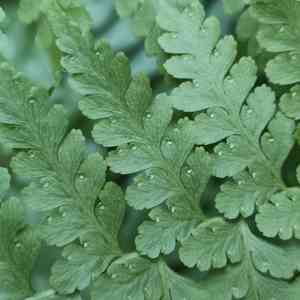
Limpleaf fern (Microlepia speluncae)
Also known as: Lace Fern, Cave Fern
The limpleaf fern flourishes in the understory of dense tropical forests, favoring warm and humid climates. It features sprawling fronds that can reach up to a meter in length, adorned with delicate, lace-like leaflets emerging from slender, wiry stems. The fern's soft green, feathery foliage adds an inviting texture to its surroundings, making it an ideal ground cover for shaded areas in its natural habitat.
In This Article
Attributes of Limpleaf fern
Lifespan
Perennial
Plant Type
Herb
Plant Height
2 m
Spread
1.2 m to 1.8 m
Leaf Color
Green
Flower Size
N/A
Flower Color
N/A
Images of Limpleaf fern

Quickly Identify Limpleaf fern
1
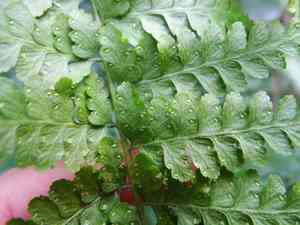
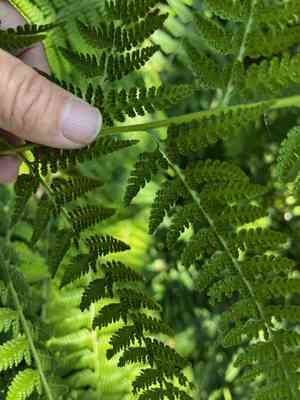
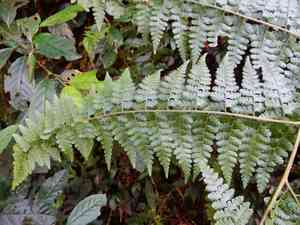
Identifiable by its finely divided fronds which resemble lace, and its preference for shady, moist environments.
Scientific Classification of Limpleaf fern
Phylum
Vascular plants
Class
Ferns
Order
Polypodiales
Family
Bracken fern
Genus
Palapalai
Species
Limpleaf fern
Planting and Growing of Limpleaf fern
Care Difficulty
Easy
Watering Schedule
Every 2 days
Sunlight Requirements
Partial sun
Sunshine Duration
6-10 hours
Ideal Temperature
65-75℉
Soil Type
Potting Mix, Peat Mix
Soil pH
6.5-7.5
Fertilizer Type
Balanced
Pruning Season
Spring, Summer
Pruning Area
Branches, Leaves
Pruning Frequency
2 times a year
Repotting Season
Spring
Pot Type
Plastic, Ceramic
 How to Water Limpleaf fern?
Microlepia speluncae requires a moderate amount of water. The key is to keep the soil consistently moist but not soggy. Consider watering about 200 ml per session and ensure even distribution around the root area to enhance absorption. A well-balanced moisture level mimics its natural habitat, preventing both under and overwatering conditions.
What are the symptoms of an underwatered Limpleaf fern?
›
What should I do if my Limpleaf fern is not getting enough water?
›
What are the symptoms of an overwatered Limpleaf fern?
›
How to save an overwatered Limpleaf fern?
›
 What Are the Sunlight Requirements for Limpleaf fern?
Microlepia speluncae thrives best in partial sun to full shade conditions, with 2 to 4 hours of dappled sunlight. Ideal lighting promotes vibrant, lush frond growth, enhancing the plant’s aesthetic and overall health.
What is the ideal lighting for Microlepia speluncae?
›
How can you manage lighting for Microlepia speluncae indoors?
›
What lighting conditions enhance the growth of Microlepia speluncae?
›
 What Is the Ideal Temperature Range for Limpleaf fern?
The ideal temperature range for Microlepia speluncae spans from 65°F to 75°F. At this range, the plant can thrive, showing optimal growth and maintaining vibrant foliage. Temperatures within this range support the natural habitat conditions reminiscent of tropical and subtropical regions, promoting healthy development and minimizing stress.
 What Soil is Best for Limpleaf fern?
Microlepia speluncae thrives in well-drained soils as it prevents root rot by avoiding waterlogging. Ensuring drainage is crucial for maintaining healthy and vibrant fronds. This plant favors soils with moderate moisture retention, providing enough water without drowning the roots, essential for sustained growth and resilience. Microlepia speluncae benefits from a nutrient-rich soil blend that promotes robust growth and lush, green foliage. Compost enrichments can enhance nutrient availability.
 How to Fertilize Limpleaf fern?
When fertilizing Microlepia speluncae, use a balanced liquid fertilizer diluted to half strength. Generally, about 20ml of this diluted solution is sufficient per plant to avoid over-fertilization.
 How to Prune Limpleaf fern?
Begin by assessing your microlepia speluncae. Look for brown, dead, or damaged fronds. Cut these at the base to redirect nutrients and energy to healthier parts of the plant. For aesthetic purposes, trim back overgrown fronds to maintain the desired bushiness and symmetry. Follow the natural outline of your plant to keep its natural beauty intact.
More About Pruning Techniques→
 How to Propagate Limpleaf fern plant?
1
Choose well-established and healthy clumps of Microlepia speluncae for division. Look for clumps with robust root systems and signs of vigorous growth, which are more likely to thrive after division.
2
Gently dig around the base of the chosen clump, taking care not to damage the roots. Lift the plant gently from the soil, maintaining as much of the root ball as possible to reduce stress on the plant.
3
Using a sharp knife or spade, divide the clump into smaller sections, ensuring each has sufficient roots and foliage. Make clean cuts to avoid tearing the roots, which can be detrimental to recovery.
 How to Repot Limpleaf fern plant?
1
Microlepia speluncae should be repotted when you notice that its roots are peeking out from the drainage holes, or if the growth seems stunted. Another key indicator is when the soil seems to dry out more quickly than usual, showing that the plant may have outgrown its current pot.
2
Opt for a pot that is one size larger than the current one, with plenty of drainage holes. A well-chosen pot prevents waterlogging, enhancing root health and providing ample space for the plant's roots to thrive, thereby promoting overall vitality.
3
Choose a rich, well-draining loam that retains moisture yet allows excess water to drain away. Such soil supports healthy root development and minimizes the risk of root rot, a common issue with water-sensitive ferns.



